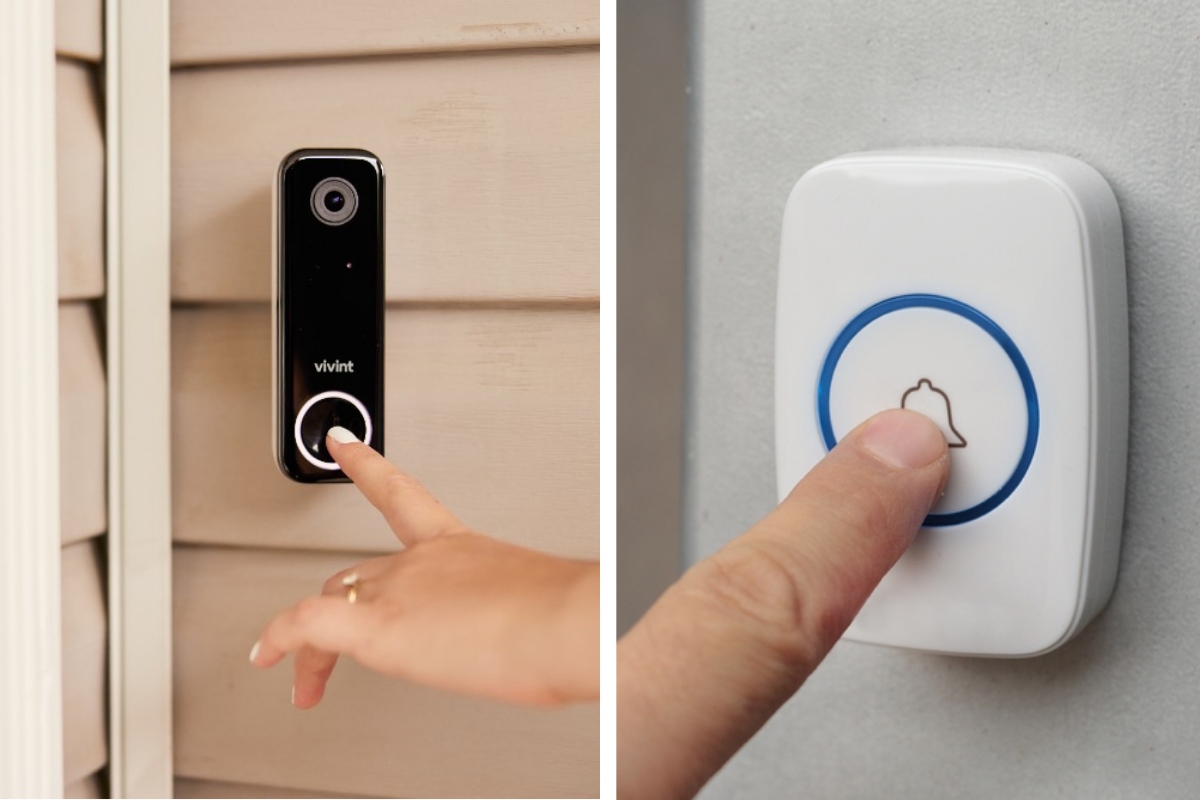
Yes — ding dong ditch (ringing a doorbell or knocking and running) is not explicitly named in Wisconsin law, but it can lead to criminal or civil consequences depending on what happens and where it occurs.
What the law actually covers
There’s no Wisconsin statute that says “ding dong ditch” as a named offense, but related laws and local ordinances can apply. For example, common charges used in these situations include disorderly conduct, harassment, trespassing, and municipal nuisance or disturbance citations — all of which have been used in Wisconsin incidents involving doorbell-prank behavior.
When it becomes illegal
Ding dong ditch stays a minor nuisance in many cases, but it can become illegal when additional factors are present. If pranksters enter private property without permission, they may be charged with trespassing under Wisconsin law.
Repeated, targeted ringing (especially at night) can be treated as harassment or “disturbing the peace,” and some municipalities issue municipal citations to juveniles for creating a neighborhood disturbance.
Real examples and escalation risks
Wisconsin police departments have cited or arrested participants in ding dong ditch incidents: Green Bay police issued municipal citations to several boys for disturbing neighborhoods, and in Waukesha a prank led to much more serious allegations after the situation escalated, prompting possible charges including disorderly conduct and false imprisonment in a related case.
Those examples show how a seemingly harmless prank can quickly turn into criminal exposure when people feel threatened, a victim is harmed, or property is crossed.
Potential penalties
Penalties vary by charge and municipality. Municipal citations for disturbances are common and typically carry fines; trespassing or harassment can result in larger fines or criminal charges depending on the facts; and more serious related conduct (false imprisonment, assault, or property damage) carries heavier penalties under state criminal law.
Juveniles frequently receive citations or parental notification, but adults can face criminal charges if the conduct crosses legal lines.
Practical advice
- Avoid entering private yards or crossing clearly posted “no trespassing” signs; that’s the clearest path to trespassing charges.
- Don’t persistently target the same residence or ring late at night; repeated or nighttime conduct is more likely to be treated as harassment or disturbing the peace.
- If a prank escalates — someone follows you, a resident is injured, or property is damaged — expect law enforcement involvement and the possibility of serious charges.
- Remember local rules vary: some cities treat this more strictly (municipal codes, fines) while others handle it informally, so local police practices matter.
SOURCES:
- https://nrgmediadixon.com/2025/03/07/is-it-illegal-to-ding-dong-ditch-in-wisconsin-heres-what-the-law-says/
- https://www.nbc26.com/news/local-news/green-bay-police-cite-several-boys-for-ding-dong-ditching