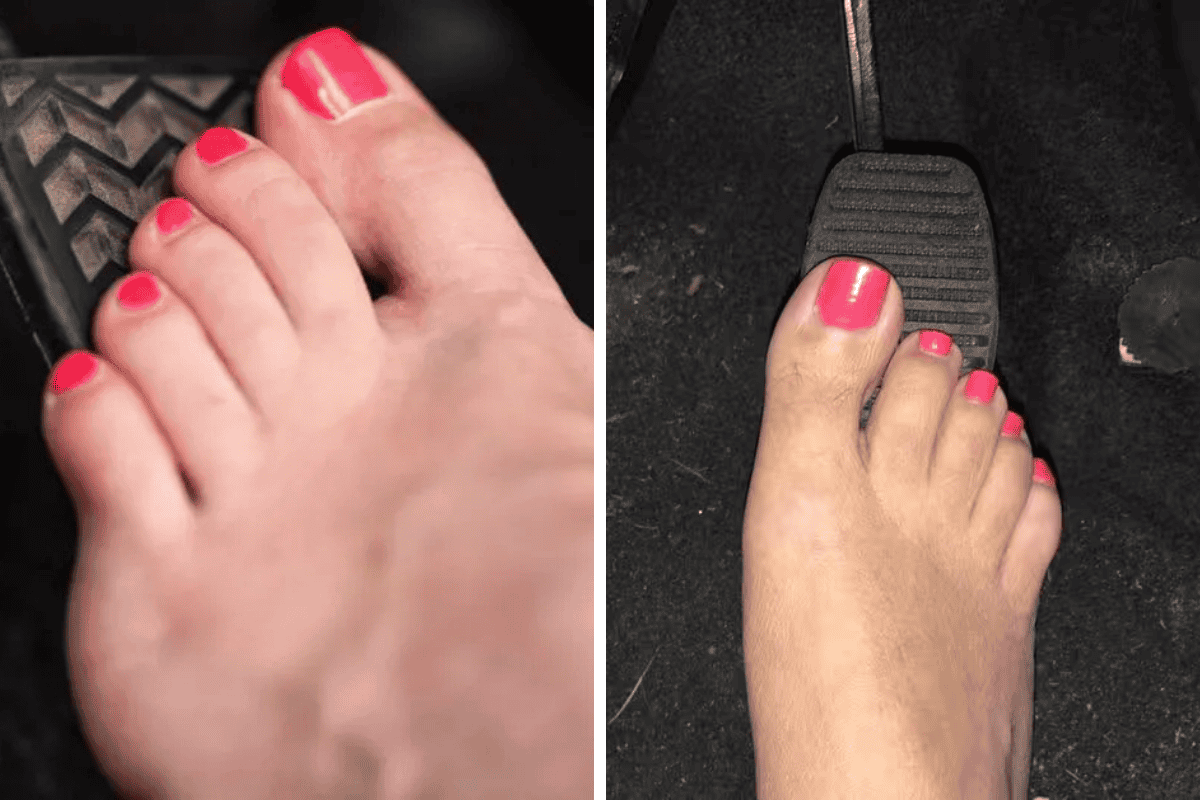
Driving barefoot is legal in Hawaii, as no state statute explicitly prohibits it. This aligns with all 50 states, where barefoot driving lacks any outright ban, though safety concerns persist.
Hawaii Traffic Code Overview
Hawaii Revised Statutes (HRS) Chapter 291C governs traffic rules, focusing on safe vehicle control under HRS §291C-63 (reckless driving). Bare feet alone don’t trigger citations—officers target impairment like swerving from loose pedals, not footwear absence. Local Honolulu ordinances mirror this; no barefoot-specific rules found in municipal codes.
Safety Considerations
Bare feet offer better pedal feel than slippery flip-flops common in Hawaii, but risks include cuts from glass or hot pedals during emergencies. Post-accident liability hinges on negligence—if barefoot driving contributed (e.g., poor braking), insurers or courts may fault you under comparative negligence. Hawaii DOT advises footwear for control, akin to seatbelt norms.
Enforcement Realities
Hawaii police prioritize aloha spirit; barefoot beachgoers hopping in cars rarely get pulled over solely for feet. Rural Big Island or Maui roads see more leniency than Waikiki traffic. Rare tickets fall under “unsafe condition” if shoes jam pedals—keep footwear accessible.
Comparative State Notes
Like California or Florida, Hawaii permits it outright. Alabama mandates shoes for motorcycles only. No Hawaii local bans noted, unlike some mainland towns—verify via county codes for Kauai or Maui.
Practical Advice
Stash slippahs nearby; barefoot excels for feel but grab shoes for ditches or hikes. Prioritize control—loose items like sandals pose bigger hazards. Safe habits trump legality on island roads.
SOURCES:
- https://www.thezebra.com/resources/driving/driving-barefoot/
- https://www.tripadvisor.com/ShowTopic-g60982-i38-k4689950-Is_it_legal_to_drive_barefoot_or_in_slippahs-Honolulu_Oahu_Hawaii.html