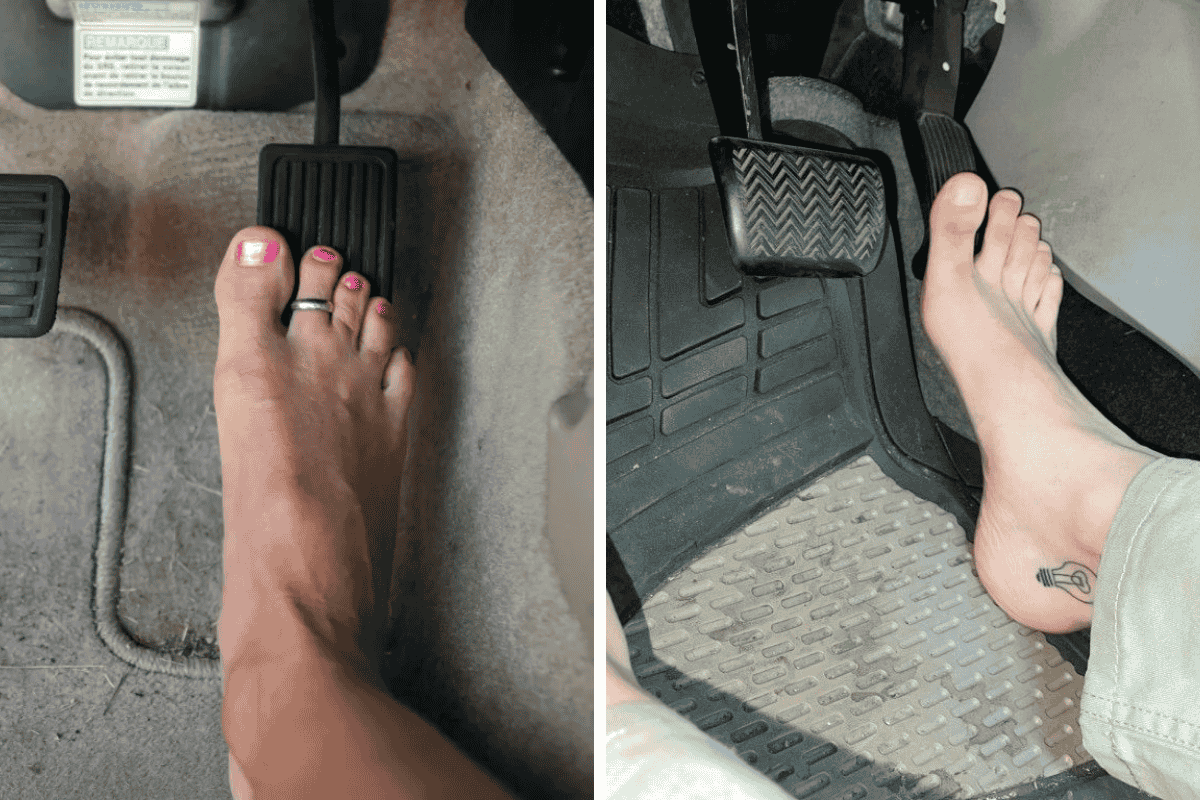
Driving barefoot is legal in Kansas, as no state statute explicitly prohibits it for passenger vehicle operators. Kansas law focuses on safe vehicle control rather than footwear mandates, confirmed across multiple sources debunking the urban myth.
Statewide Legality
Kansas has no vehicle code section banning barefoot driving, unlike myths suggesting otherwise. K.S.A. Chapter 8 (Automobiles and Other Vehicles) requires drivers to maintain proper control but omits shoe requirements. Police confirm it’s a myth; even safer than flip-flops or heels per state patrol statements.
Local Ordinances
Municipal codes in cities like Wichita, Topeka, or Kansas City rarely address footwear—none found prohibiting it as of 2026. Kansas City library posts spread misinformation, but official DMV and police clarify no bans exist. Always verify county rules for rural areas.
Safety Concerns
While legal, barefoot operation risks pedal slippage or injury in crashes, potentially cited under K.S.A. 8-1528 (careless driving). Officers may argue negligence if shoelessness contributes to accidents, raising insurance premiums or fault shares. Courts assess case-by-case.
Comparison to Other States
Federal level silent; Jason Heimbaugh’s 1990s DMV survey affirmed nationwide legality.
Accident Liability
Post-crash, insurers or courts might claim barefoot driving as contributory negligence under K.S.A. 60-258a (comparative fault). No direct precedent tickets barefoot alone, but paired with errors (e.g., swerving), it strengthens careless driving cases—fines up to $200+ points.
Motorcycle Rules
Bikers face stricter scrutiny; no explicit barefoot ban, but K.S.A. 8-1548 mandates safe equipment. Open-toed or absent shoes risk citations for improper operation.
Employer and Rental Policies
Company vehicles or rentals may require shoes via contracts, overriding state law. CDL holders follow FMCSA safe operation standards, where barefoot could flag violations.
Best Practices
Keep shoes accessible for stops; wear grippy socks if preferred. Test pedal feel pre-drive. For long hauls, prioritize control over comfort. Consult Kansas DPS handbook—no footwear mention confirms legality.
Debunking Myths
Social media (e.g., Facebook claims) perpetuate falsehoods, but official responses align: legal everywhere except potential local quirks. No 2025-2026 changes noted.
SOURCES:
- https://www.thezebra.com/resources/driving/driving-barefoot/
- https://www.bumper.com/car-advice/is-it-illegal-to-drive-barefoot/