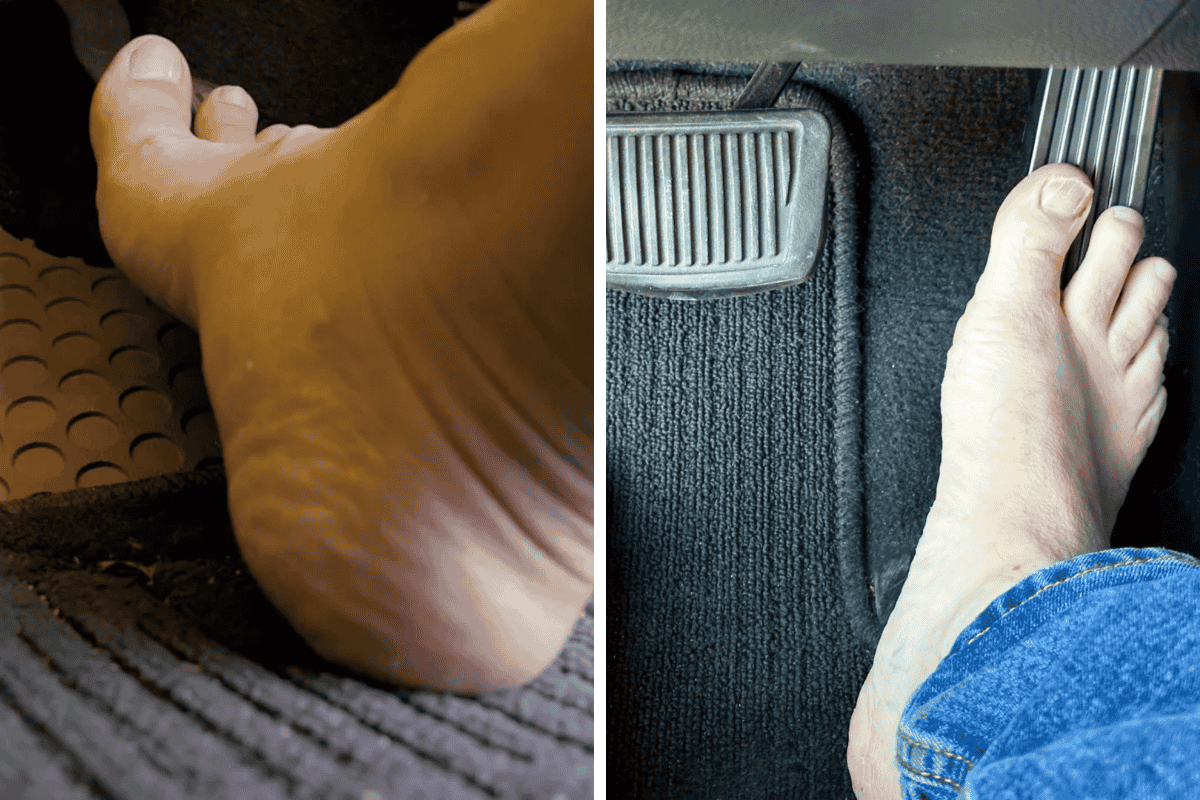
Driving barefoot is legal in Rhode Island, with no state statute requiring footwear to operate a motor vehicle. While perfectly permissible, safety experts strongly advise against it due to potential slips on pedals and reduced control during emergencies.
Rhode Island Vehicle Code Overview
Rhode Island General Laws Title 31 (Motor Vehicles) outline equipment, licensing, and operation rules but omit any footwear mandates. Section 31-10-23 covers driver attire indirectly via “safe control” requirements, focusing on visibility and handling rather than shoes. Local ordinances in Providence or Newport also lack bans, aligning with national norms.
Nationwide Context
All 50 states permit barefoot driving; no federal or uniform law prohibits it. Myths persist from 1990s urban legends, like a supposed Hawaii fine, but courts uphold legality absent recklessness. Rhode Island DMV echoes this: Focus on attentive operation, not socks or skin.
Safety Concerns
Bare feet offer poor pedal grip, especially if sweaty or sandy from beaches like Narragansett Town Beach. Braking force drops without shoe leverage; NHTSA links 16,000+ annual crashes to pedal misapplications, often tied to improper footwear. Post-accident, officers may cite “careless driving” (R.I. Gen. Laws § 31-26-4) if barefoot status contributed.
Potential Liability in Crashes
Legality doesn’t shield negligence claims. Insurers or courts could argue barefoot driving impaired reaction, raising liability in rear-ends or swerves. Example: Slipping off the brake in traffic equals reckless operation, fined up to $500 plus points. Defensive driving courses stress closed-toe shoes with traction.
When It Might Matter
- Motorcycles: Helmets required (R.I. Gen. Laws § 31-10.1-1), but no shoe rule—still risky without boots.
- Commercial Drivers: CDL holders face stricter federal scrutiny; barefoot unlikely during inspections.
- Emergencies: Medical rushes allow it legally, but extra caution advised.
Expert Recommendations
Rhode Island State Police and AAA Rhode Island promote “sensible shoes”: Low heels, rubber soles, no flip-flops or heels that jam pedals. Barefoot beats high heels for control but trails athletic sneakers. Wet feet post-swim? Dry off first to avoid slips.
Common Myths Busted
- Myth: Illegal after dark. No such rule; applies anytime.
- Myth: Fines up to $100. Fabricated; only if unsafe driving proven.
- Myth: Beach drives only. Legal statewide, urban or rural.
Alternatives and Best Practices
Real-World Scenarios
Summer beachgoers in Westerly often drive barefoot home—legal, but patrols warn of tickets if weaving occurs. A 2025 Yahoo report clarified amid viral queries: No law, but “use common sense.” Facebook groups confirm RI drivers do it freely.
Penalties for Related Issues
| Violation | Fine | Points | Notes |
|---|---|---|---|
| Careless Driving | Up to $500 | 3 | If barefoot caused error |
| Reckless Driving | Up to $1,000 | 7 | Extreme cases |
| Pedal Error Crash | Varies (civil) | N/A | Insurance hikes |
Parental and Instructor Advice
DMV manuals for new RI drivers emphasize control; barefoot passes road tests but risks failure if slips noted. Parents: Teach kids shoe habits early. Instructors: Demo pedal feel with proper footwear.
Evolving Views
No 2025-2026 changes; RI prioritizes hands-free laws over feet. Safety campaigns via RIPTA buses promote awareness. Globally, UK and Australia allow it too, with similar cautions.
SOURCES:
- https://www.yahoo.com/news/articles/legal-drive-barefoot-rhode-island-090813100.html
- https://www.thezebra.com/resources/driving/driving-barefoot/