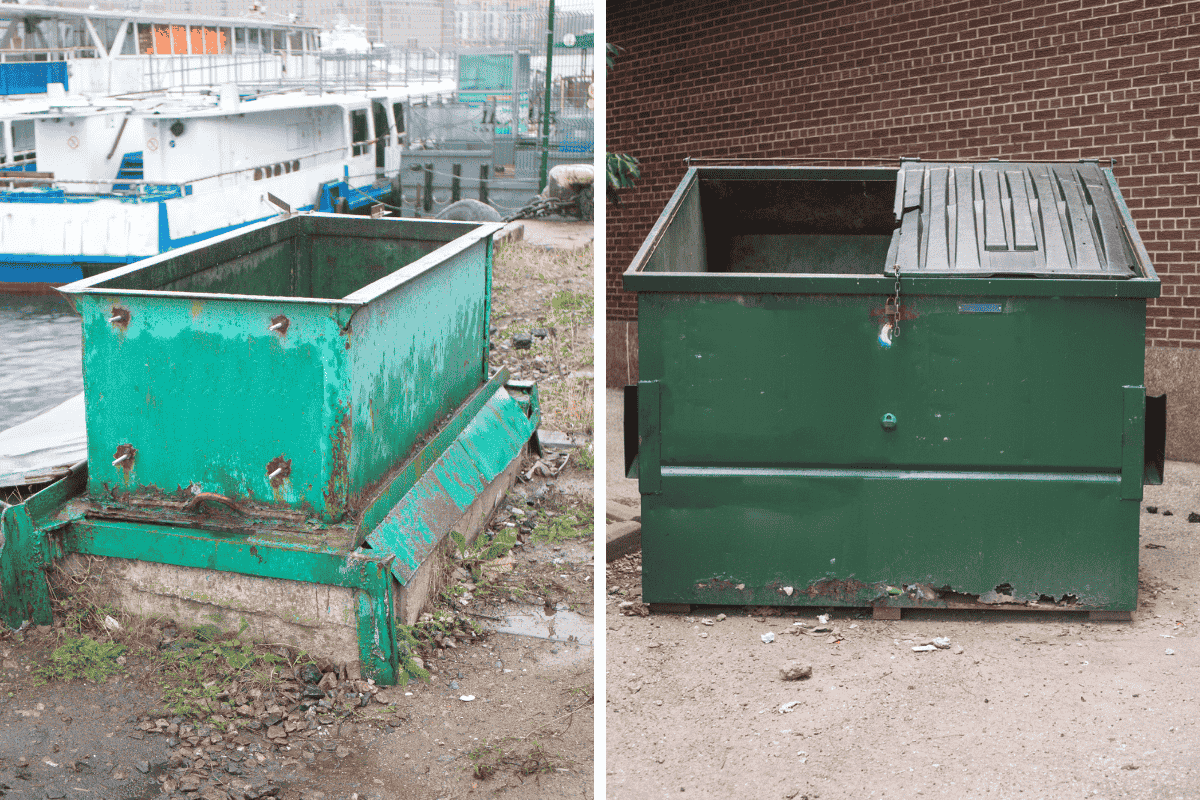
Dumpster diving in Arkansas isn’t explicitly illegal under state law, but it often violates trespassing rules if dumpsters are on private property. Once trash is discarded and accessible from public areas, it’s generally fair game—though local ordinances and business policies create risks worth knowing.
Legal Foundation
Arkansas has no specific statute banning dumpster diving, relying instead on broader laws like trespassing (Ark. Code Ann. § 5-39-203) and theft by receiving.
The U.S. Supreme Court’s California v. Lanier (1988) precedent supports that abandoned trash loses ownership, making retrieval legal if no property breach occurs. State litter control acts (Ark. Code § 8-6-408) target dumping, not reclaiming, so divers aren’t penalized for taking items out.
Private vs. Public Access
Most dumpsters sit on private land, turning diving into criminal trespass—a misdemeanor with fines up to $250 or jail time if signs are posted or entry is restricted. Public dumpsters (e.g., apartment complexes or streets) pose fewer issues if reachable without crossing barriers. Locked or fenced bins signal clear no-go zones; cutting chains escalates to burglary charges.
Local Variations
Cities like Little Rock and Fayetteville enforce strict anti-scavenging via ordinances, fining $100-$1,000 for littering or disorderly conduct during dives. Rural areas tend to overlook it. No 2026 statewide changes noted, but post-pandemic waste rules tightened in urban spots—check municode sites for specifics.
Common Violations
- Trespassing: Entering posted property without permission.
- Littering: Scattering trash during retrieval ($100-$1,000 fines).
- Theft: Rare, but applies if items aren’t fully discarded (e.g., mail with PII).
Penalties start with warnings but escalate: first litter offense means 100 hours community service plus $1,000 fine; repeats become misdemeanors.
Safety and Best Practices
Prioritize gloves, flashlights, and post-dive hygiene to dodge needles or biohazards. Dive at night discreetly, clean up fully, and avoid blocking access. Ask permission from friendly spots like bakeries—many allow it for food waste. Apps like TrashNothing connect donors directly, skipping legal gray areas.
Enforcement Realities
Police focus on mess-makers or repeat visitors; low-key divers rarely face heat. Businesses ban offenders via trespass notices, barring returns forever. Homeless advocates note rising citations amid 2026 economic pressures, urging alternatives like food banks.
SOURCES:
- https://www.worldlawdigest.com/usa/general/is-dumpster-diving-legal-in-arkansas
- https://wiki.fremontleaf.org/?movies=is-dumpster-diving-legal-in-arkansas