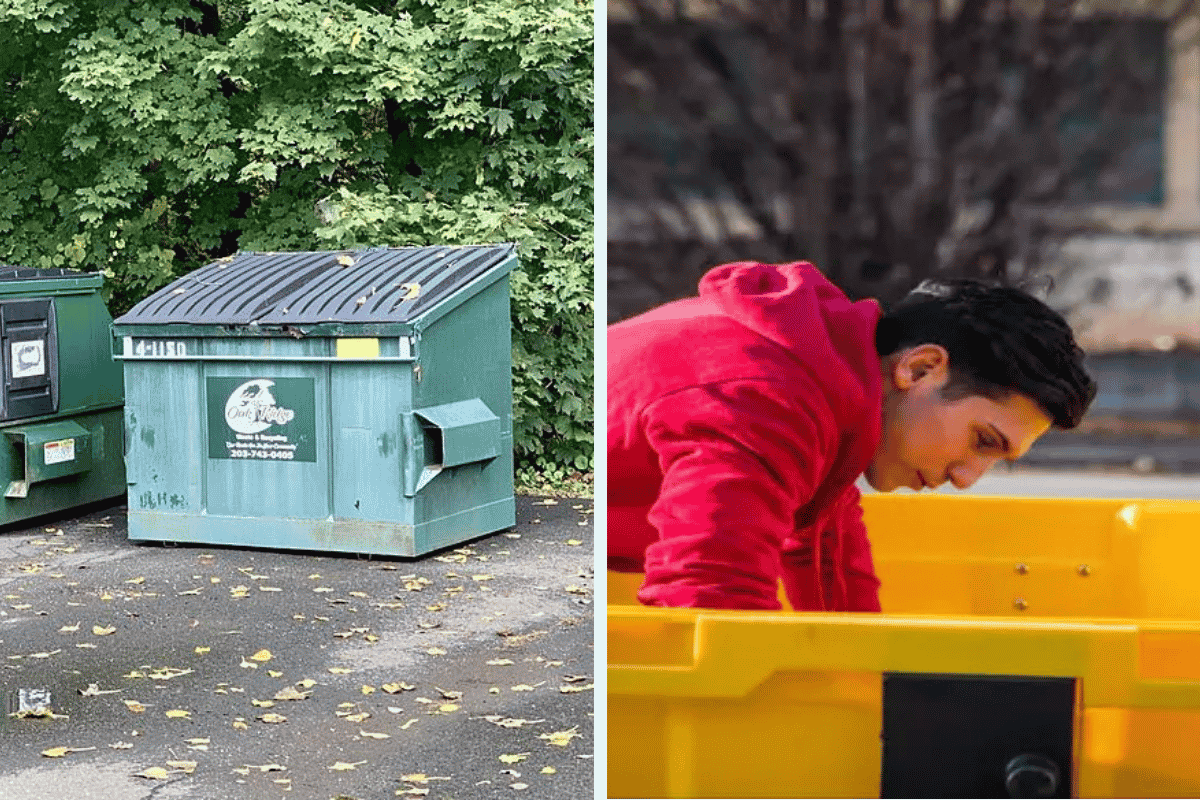
Dumpster diving is generally legal in Maryland as long as it occurs on public property and avoids trespassing. The practice hinges on trash being abandoned property once placed curbside, but private dumpsters trigger property rights issues.
Statewide Legal Basis
Maryland lacks a specific ban on dumpster diving statewide. The U.S. Supreme Court’s California v. Greenwood (1988) ruling supports this by deeming discarded trash as having no expectation of privacy, allowing access in public spaces.
Trespassing under Maryland Criminal Law §6-301 becomes the key violation if divers enter private land without permission. Theft rarely applies to truly abandoned items.
Public vs. Private Property Rules
Curbside bins or public dumpsters are fair game since trash is public once set out. Private property dumpsters—especially fenced, locked, or signed “No Trespassing”—require owner consent to avoid misdemeanor charges.
Climbing into enclosed commercial dumpsters risks vandalism accusations if damage occurs. Always exit cleanly to sidestep littering fines.
Local Ordinances and Cities
Baltimore imposes stricter rules near businesses, potentially fining for mess or access during restricted hours. Other cities like Annapolis may enforce via noise or parking violations rather than diving itself.
Check municipal codes online; enforcement varies by neighborhood, with commercial areas patrolled more heavily.
Enforcement and Penalties
Police prioritize complaints over proactive busts—trespassing leads to warnings, citations ($100-$500 fines), or arrests for repeat offenses. Businesses can ban individuals or pursue civil claims for damages.
Night diving carries no extra illegality but heightens risks from crowds or suspicion.
Best Practices for Safety
Seek permission from store managers for reliable spots like grocery back lots. Dive during daylight, wear gloves, and clean up to build goodwill.
Use apps or forums for “hot” public locations; avoid residential areas post-bulk trash day to dodge neighbor issues.
Ethical and Health Considerations
Prioritize food safety—discard swollen cans or moldy items. Respect communities by not scattering refuse, aligning with zero-waste ethos.
SOURCES:
- https://www.worldlawdigest.com/usa/general/is-dumpster-diving-legal-in-maryland
- https://www.theenvironmentalblog.org/2025/04/is-dumpster-diving-legal/