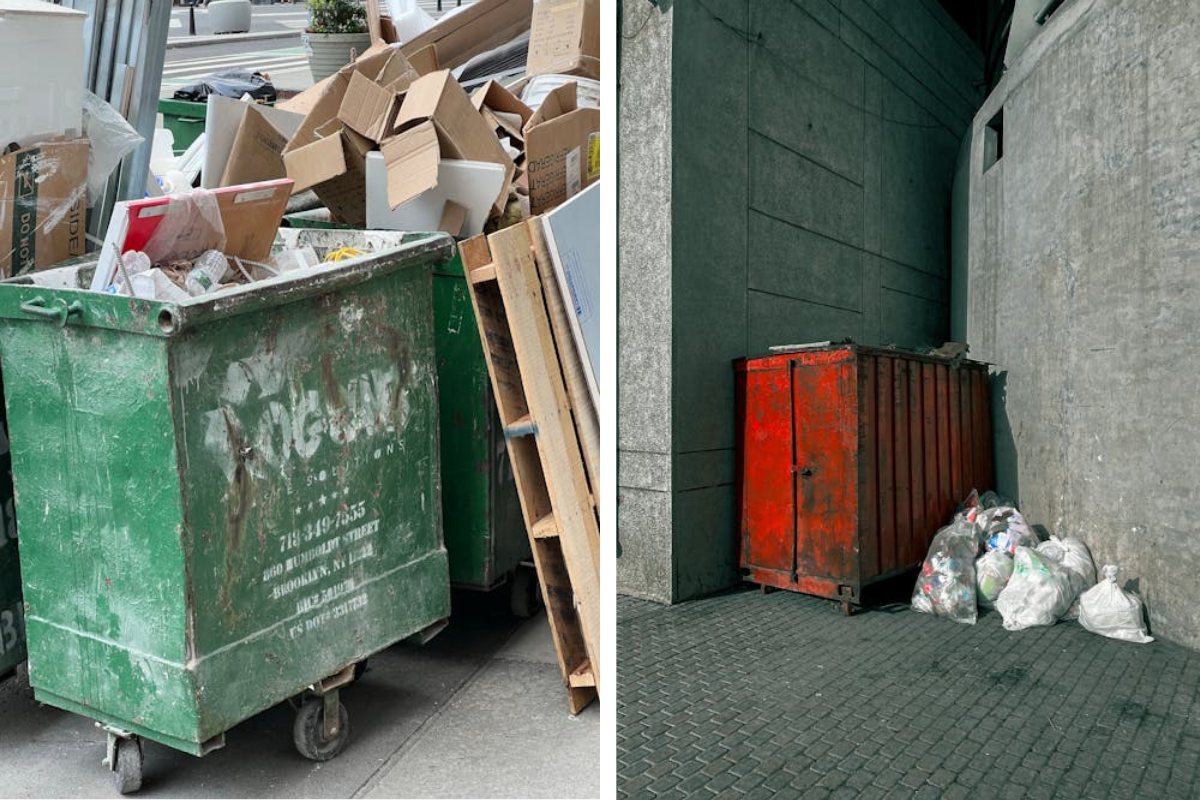
Wisconsin does not have a statewide law that explicitly prohibits dumpster diving. You can legally search through trash bins and recover discarded items without violating state statutes.
This aligns with the broader legal principle that once trash is placed in a dumpster, the original owner has generally abandoned their property rights to those items. However, legality depends heavily on location, property type, and local ordinances that vary significantly across Wisconsin municipalities.
Trespassing Laws Are the Biggest Legal Risk
The most common legal issue dumpster divers face in Wisconsin is trespassing, not the act of diving itself. Many commercial dumpsters are located on private property behind fences, locked gates, or in areas marked with “No Trespassing” signs. Entering private property without the owner’s permission to access a dumpster can result in trespassing charges, even if your intent is simply to retrieve discarded items.
Always ensure the dumpster is in a publicly accessible area before diving. If you’re asked to leave a property, do so promptly to avoid escalation.
Local Ordinances Vary by City
While state law permits dumpster diving, Wisconsin cities and counties have enacted their own regulations that can restrict or prohibit the practice. Milwaukee County allows dumpster diving as long as you don’t trespass or interfere with private trash collection services. However, cities like Milwaukee, Madison, and Green Bay may have specific waste collection and disposal ordinances that carry their own penalties.
Local violations typically result in fines ranging from $50 to several hundred dollars for first offenses. Some municipalities prohibit littering or creating messes around dumpsters, which can lead to citations if you leave debris behind. Always check your city’s official website or contact local law enforcement to understand specific ordinances in your area.
Theft Charges Are Possible in Certain Situations
Although abandoned trash generally cannot be claimed as theft, businesses may pursue theft charges if they believe you’ve taken items they didn’t intend to discard or that have commercial value.
This is especially true for documents containing sensitive information, expensive electronics, or merchandise that appears to be stolen rather than discarded. Courts have held that abandonment is determined by the owner’s intent, and if a business can prove they didn’t abandon certain items, you could face legal consequences.
Health and Safety Regulations Matter
Wisconsin has health and safety regulations that affect dumpster diving, particularly around food establishments and grocery stores. These businesses follow specific waste disposal rules to prevent health hazards, and diving into their dumpsters can expose you to spoiled food, sharp objects, chemicals, and other dangerous materials. Even if diving is technically legal, businesses may call law enforcement if they perceive a health risk or safety concern.
Best Practices to Stay Legal and Safe
Following these guidelines will help you avoid legal trouble while dumpster diving in Wisconsin:
- Ask permission: The safest approach is to obtain consent from property owners before diving into their dumpsters. Some businesses are willing to grant permission, especially if you promise to leave the area clean.
- Stick to public areas: Focus on dumpsters on sidewalks, alleys, or streets that are publicly accessible unless restricted by local ordinances.
- Respect property boundaries: Never climb fences, break locks, or enter clearly marked private areas.
- Clean up after yourself: Leave the area cleaner than you found it. Many complaints stem from messes left behind rather than the diving activity itself.
- Wear protective gear: Use gloves and sturdy shoes to protect against sharp objects and hazardous materials.
- Check local rules: Research your city’s specific ordinances before diving, as rules vary significantly between rural areas and urban centers like Milwaukee or Madison.
Environmental Benefits of Responsible Dumpster Diving
Wisconsin has a growing movement focused on reducing waste and promoting environmental sustainability. Dumpster diving contributes to this effort by rescuing usable items and edible food that would otherwise end up in landfills. Many grocery stores discard products that are still edible but past their “sell-by” date, making them prime targets for environmentally conscious divers.
SOURCES:
- https://happycandumpsters.com/dumpster-diving-wisconsin/
- https://majordumpsters.com/is-it-legal-to-dumpster-dive-in-wisconsin/