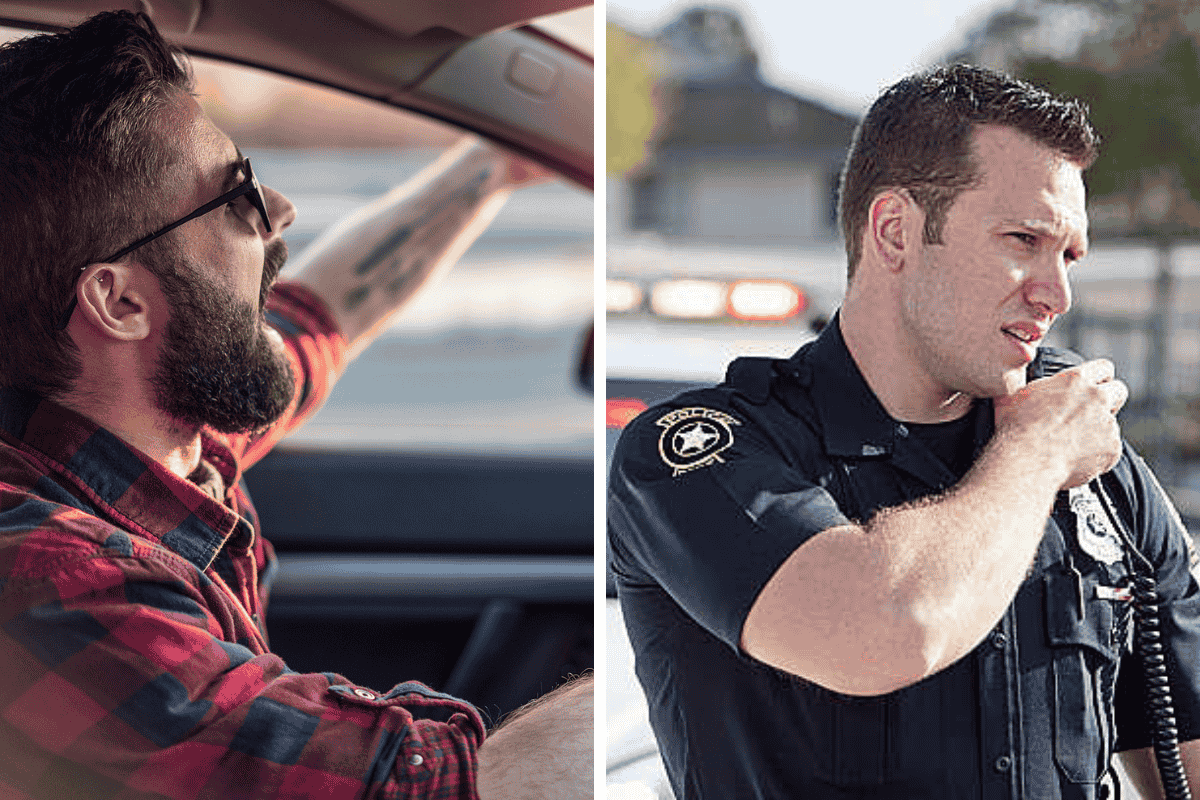
No, it is not illegal to flip off a police officer in Louisiana. This gesture is protected as free speech under the First Amendment of the U.S. Constitution. Courts across the country, including federal rulings applicable to Louisiana, have consistently upheld that displaying the middle finger to law enforcement—even if rude or provocative—does not constitute a crime on its own.
First Amendment Protections
The First Amendment safeguards expressive conduct, including vulgar gestures directed at police. In landmark cases like Cohen v. California (1971) and subsequent rulings, the U.S. Supreme Court has ruled that offensive speech targeting officers cannot be punished solely for its content.
A 2017 federal case in Louisiana reinforced this: a woman successfully sued after an officer cited her for flipping him off during a traffic stop, with the court affirming it as protected expression. Legal experts and the ACLU confirm this applies statewide—no Louisiana statute criminalizes the gesture alone.
Louisiana’s Relevant Statutes
Louisiana’s disorderly conduct law (La. R.S. 14:103) prohibits “loud and boisterous” behavior or rude gestures only if they disturb the peace or incite immediate violence—mere flipping off does not qualify. “Fighting words” doctrine requires words likely to provoke an average person to violence, but courts hold officers to a higher standard of restraint.
Threatening a public official (La. R.S. 14:122.2) demands a “true threat,” not symbolic insult. Pre-2026 cases like State v. Brown narrowed these laws to avoid chilling free speech.
Potential Risks and Escalation
While legal, flipping off an officer invites scrutiny. Police might claim it as “disturbing the peace” pretextually, leading to arrest—later dismissed in court. Louisiana’s 2024 “police buffer law” (effective 2025) requires backing away 25 feet if ordered but does not restrict gestures from afar.
If paired with obstruction, yelling, or refusal to comply, charges like resisting arrest could stick. Body cams and witnesses protect against retaliation; record interactions safely.
National Precedents Influencing Louisiana
Federal courts in the Fifth Circuit (covering Louisiana) mirror nationwide rulings: United States v. Daniels (6th Cir.) and similar cases deem middle-finger salutes protected. No state-specific ban exists; it’s a universal right. Justice Powell in Lewis v. New Orleans (1974) noted officers must tolerate more than civilians. Post-Bruen (2022) expansions bolster expressive rights.
Practical Advice During Encounters
Remain calm: Gesture if you must, but comply with lawful orders to avoid escalation. Politely assert rights: “Am I free to go?” or “That’s protected speech.” Challenge improper arrests via civil suit or suppression motions—successful plaintiffs often win fees. Avoid if minors witness or in traffic, as context matters. Apps like ACLU Mobile Justice log incidents.
Broader Implications
This protection underscores police accountability: Citizens can criticize without fear, curbing abuses amid Louisiana’s oversight issues (e.g., NOPD consent decree). It balances respect with rights—no gesture licenses misconduct, but none criminalizes expression.
SOURCES:
- https://710keel.com/is-it-legal-to-flip-off-the-police-in-louisiana/
- https://talkradio960.com/is-it-legal-to-flip-off-the-police-in-louisiana/