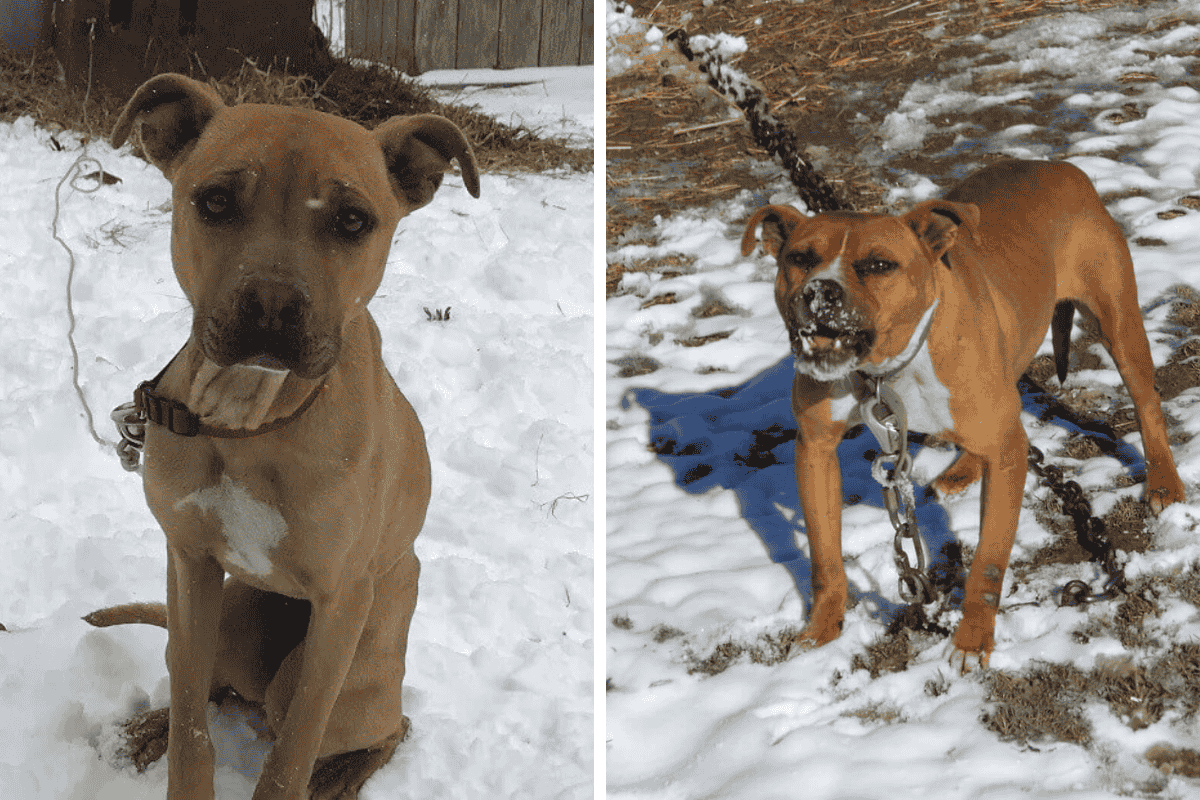
Alabama does not have a comprehensive statewide ban on leaving pets chained outside, but recent 2026 legislation and cruelty statutes impose strict limits on how dogs can be tethered outdoors, prioritizing animal welfare.
As of early 2026, a new law effective January 1 prohibits fixed-point chaining to stationary objects like trees or poles without proper care standards, marking a shift from prior years when only local rules applied.
Statewide Tethering Rules
Under the updated Alabama Code § 13A-11-241 and HB149/HB446 (passed 2026), owners cannot chain dogs to fixed objects for extended periods. Tethering must use trolleys, secure fences, or enclosures allowing full movement, with no logging chains, choke collars, or pinch collars permitted.
Dogs kept outside require constant access to clean water, adequate food, and weatherproof shelter that keeps them dry and shaded. Violations are criminal misdemeanors, potentially leading to fines, animal seizure, or jail time if neglect causes suffering.
Local Ordinances Add Restrictions
Cities like Gardendale ban chaining that restricts dogs to under 100 square feet or exceeds 12 hours, mandating overhead runs or 360-degree ground devices. Florence prohibits all stationary tying within city limits. Mobile limits chaining to 15 minutes unless the owner is present. These municipal codes fill gaps where state law was previously silent, with preemption limited—check your locality via city animal control.
Cruelty Laws as a Backstop
Even before 2026 reforms, § 13A-11-241 criminalized depriving pets of “necessary shelter” cruelly, covering extreme cases like no shade in heat or exposure without protection. Courts interpret this broadly: constant chaining causing injury, starvation, or distress qualifies as cruelty, regardless of tether type. Animal control can intervene if pets lack basics, with evidence like photos strengthening complaints.
Exceptions and Best Practices
Temporary tethering for activities like walking on a handheld leash or supervised exercise is allowed. Hunting dogs, farm working animals, and emergencies exempt from rules.
To comply: Use trolley systems (at least 10 feet, one dog per run, proper collar/harness), provide insulated shelters, and monitor weather—bring pets inside during extremes. Groups like Alabama Voters for Responsible Animal Legislation pushed these changes amid rankings of Alabama as a low-protection state.
Enforcement and Penalties
Violations trigger civil citations first, escalating to criminal if repeated or harmful. In 2026, advocates report increased animal control visits post-law, with seizures in severe neglect. Neighbors can report anonymously, but document conditions (e.g., chain length, water availability). Owners face Class C misdemeanor charges, up to 3 months jail and $500 fines per offense.
Progress and Ongoing Advocacy
Alabama’s 2026 tethering ban ends “lifetime on a chain” practices criticized nationally, influenced by bills from Rep. Enslen and others. It aligns with urban ordinances while respecting rural needs. Pet owners should transition to pens or indoor access—humane options reduce risks. Stay updated via legislature.alabama.gov, as expansions loom.
SOURCES:
- https://www.peta.org/issues/animal-companion-issues/ordinances/gardendale-alabama/
- https://alison.legislature.state.al.us/files/pdf/SearchableInstruments/2025RS/HB149-int.pdf