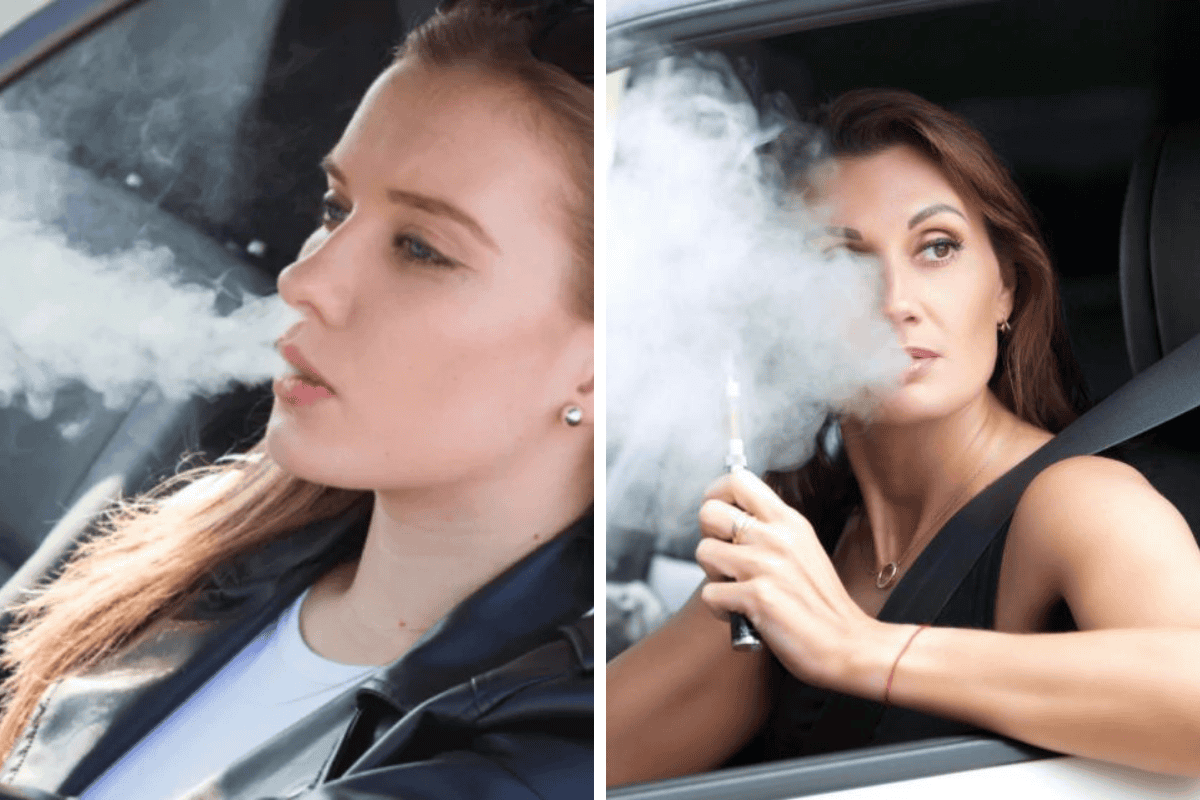
Kansas has no specific statute outright banning vaping while driving for adults using nicotine products in private vehicles. However, the practice falls under broad distracted driving laws, allowing officers to cite unsafe operation if vapor clouds obscure vision or handling the device diverts attention.
Distinguishing nicotine from cannabis is key: marijuana vaping triggers zero-tolerance DUI enforcement, even without a legal recreational market.
Core Distracted Driving Rules
Kansas Statute § 8-1522 prohibits careless driving—operating a vehicle without due caution risking injury or property damage. Vaping qualifies as a distraction if it involves manual device manipulation, exhaling clouds blocking the windshield, or cognitive lapse from nicotine effects. Officers use discretion: a quick puff might pass unnoticed, but swerving or visible haze invites tickets up to $190 plus court costs for primary enforcement.
Nicotine vs. Cannabis Distinction
Nicotine e-liquids face no driving ban for those 21+, aligning with tobacco rules under Kansas Department of Revenue licensing ($0.05/ml excise tax). Cannabis vaping, however, violates DUI laws (§ 8-1567): impairment via THC (even legal medical traces) leads to misdemeanor charges—first offense: up to $1,000 fine, 1-year suspension, possible 48 hours jail. “Effects-based” tests (field sobriety, blood) prove case; zero tolerance mirrors alcohol per se limits.
Visibility and Vehicle Control Issues
Vapor accumulation violates § 8-1729 (clear windshield required); thick clouds count as obstruction like fogged glass. Littering vape pods or coils out windows triggers § 8-1572 fines ($50+). Commercial drivers face stricter CDL rules under FMCSA, treating vapes as handheld distractions akin to phones.
Age and Passenger Restrictions
Under-21 possession/use banned statewide (§ 79-3301 et seq.), extending to driving: vaping near minors risks child endangerment if secondhand vapor argued harmful. No smoking/vaping in taxis/limousines or child transport vehicles (K.A.R. 28-4-130). Local ordinances (e.g., Wichita public vape bans) may apply indirectly.
Enforcement and Penalties
Highway Patrol prioritizes observed impairment over assumptions; body cams document clouds or fumbles. Insurance hikes follow convictions (up 20-50% for at-fault points). Accidents amplify: contributory negligence from vape distraction voids claims or adds reckless driving (felony if injury).
Safe Alternatives and Best Practices
Pull over at rest stops for uninterrupted sessions; use low-output devices minimizing clouds. Ventilate via windows/AC pre-vape; hands-free mods reduce handling. Apps like DriveMode limit in-motion use. Rural I-70 hauls see laxer stops than urban K-10, but sobriety checkpoints spike risks.
Federal and Evolving Context
No federal vape-driving ban, but TSA prohibits devices in checked luggage (carry-on only). Kansas 2026 flavor/local bans don’t touch vehicles, but unlicensed “unauthorized vapes” face crackdowns. Advocacy pushes explicit bans, stalled amid tobacco lobbying.
Insurance and Long-Term Impacts
Vaping citations boost premiums like smoking (average +15% in KS); DUI crashes deny coverage. Defensive driving courses expunge minor tickets; repeat distractions risk habitual offender status (license revocation).
SOURCES:
- https://ecigator.com/regulation/kansas-vaping-driving-laws/
- https://www.thezebra.com/resources/driving/is-it-legal-to-smoke-or-vape-while-driving/