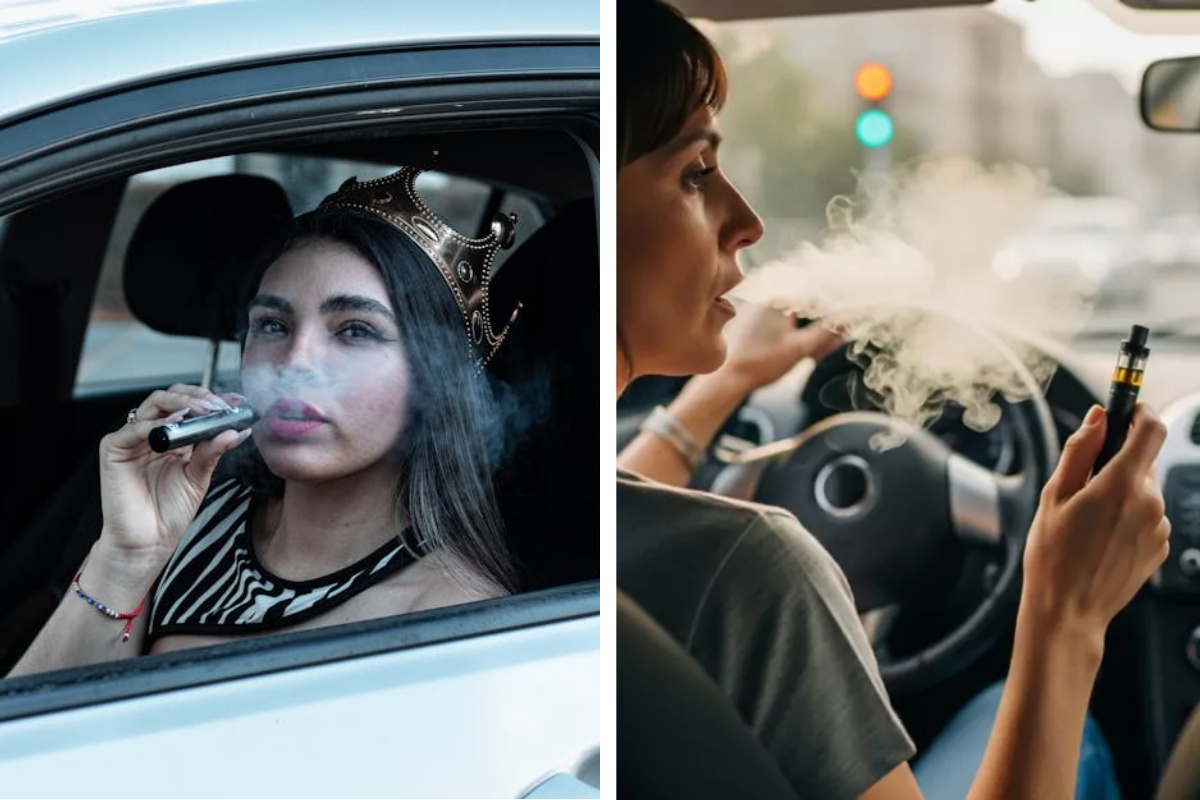
Texas does not have a specific statewide law that says, “You cannot vape while driving,” the way it clearly bans texting and driving. In general, if an adult is using a legal nicotine vape and otherwise driving safely, that act by itself is not a separate traffic offense.
However, vaping behind the wheel can still lead to legal trouble if it affects how you drive, what is in your vape, or who is in the car with you.
This is general information, not legal advice. Local ordinances and newer state rules can add extra restrictions, so drivers should always check the latest laws in their city or county.
Vaping and Distracted Driving
Even without a vape‑specific driving law, Texas police can stop or ticket you if your vaping clearly becomes distracted driving.
If clouds of vapor block your view, you take your hands off the wheel to fiddle with a device, or you drift across lanes while inhaling, an officer may write you up under general unsafe or distracted driving rules similar to how they treat eating, grooming, or other distractions.
In crashes, investigators may note that you were vaping as one of several contributing factors, which can affect fault, insurance claims, and even criminal charges if someone is hurt.
What’s in the Vape Really Matters
If your vape contains nicotine only and is a legal product, the main legal risk is distraction. But if the device contains THC, marijuana, or other controlled substances, the situation changes quickly. Texas has recently tightened laws on THC and cannabinoid vapes: selling or marketing many THC and hemp‑derived vapes is now a criminal offense, and possession of illegal THC oil or cartridges can lead to drug charges similar to carrying marijuana or other contraband.
If an officer believes the vape contains an illegal drug—based on smell, admission, packaging, or lab tests—you can face charges for drug possession, and, if your driving is impaired, for DWI based on drugs rather than alcohol.
Age Limits and Where Vaping Is Banned
Texas law restricts sales and use of e‑cigarettes to people 21 and older (with narrow military exceptions), and bans vaping in certain places like schools, childcare centers, some public transport, and specific public facilities. If a minor is the one vaping and driving, or a minor is holding the device, there can be additional penalties for underage use or possession.
Separate rules also apply to vehicles used to transport children in licensed childcare or similar settings, where vaping of any kind (by the driver or adult) may be banned while kids are present.
Smoking, Vaping, and Passengers
Some states directly ban smoking in a car when minors are present, treating it as a child‑protection issue, and Texas policy discussions increasingly treat vaping similarly to smoking in that context. Even where there is no explicit “no vaping with kids in the car” statute yet, an officer who thinks you are exposing children to harmful vapor could look to endangerment or neglect laws in more extreme cases.
In addition, if your vape involves marijuana or THC, any minor passenger in the vehicle raises the stakes dramatically, because police and courts may see that as exposing children to illegal drugs and impaired driving.
Practical Safety Tips if You Vape and Drive
Legally and practically, the safest approach is to treat vaping like texting: something you don’t do while the vehicle is moving. Keeping both hands on the wheel, avoiding big “clouds” that block your vision, and never using vapes that contain illegal or impairing substances while driving will reduce both safety risks and legal exposure.
SOURCES:
- https://www.thezebra.com/resources/driving/is-it-legal-to-smoke-or-vape-while-driving/
- https://shawnbrownlaw.com/texas-vape-ban-2025-what-you-need-to-know-about-the-new-thc-and-vape-laws/