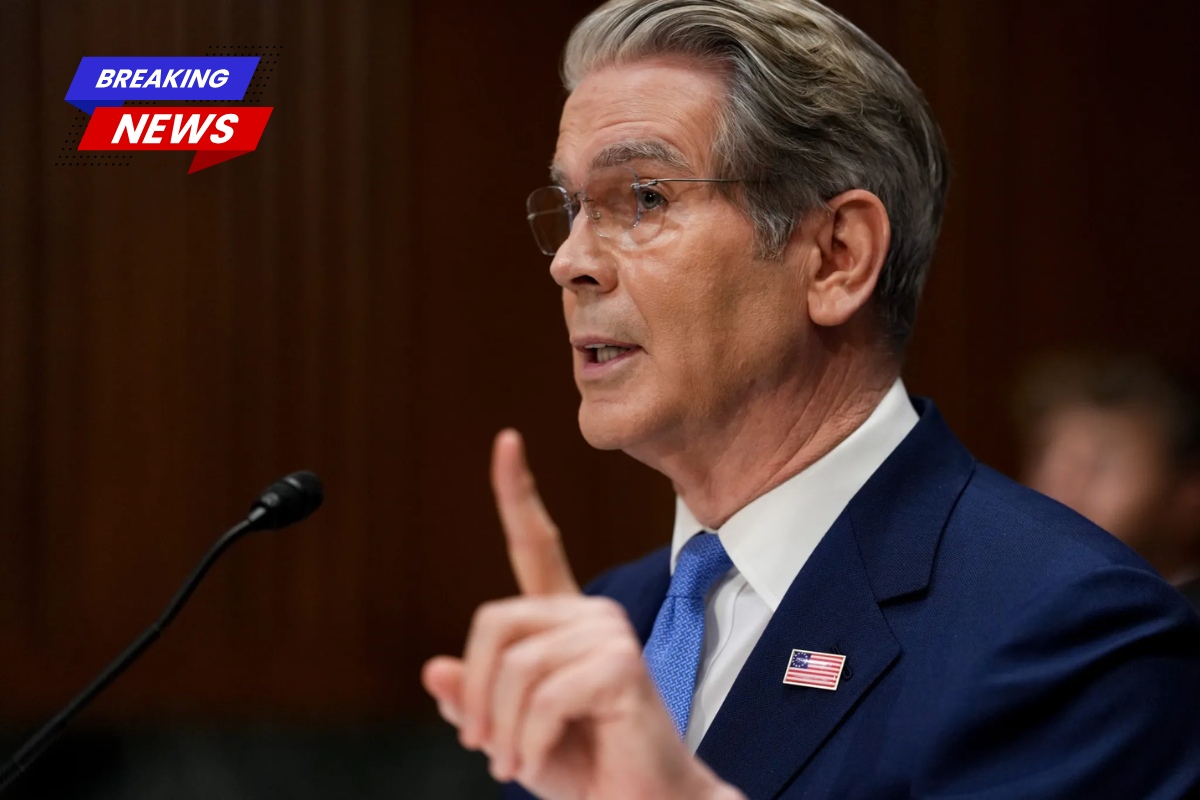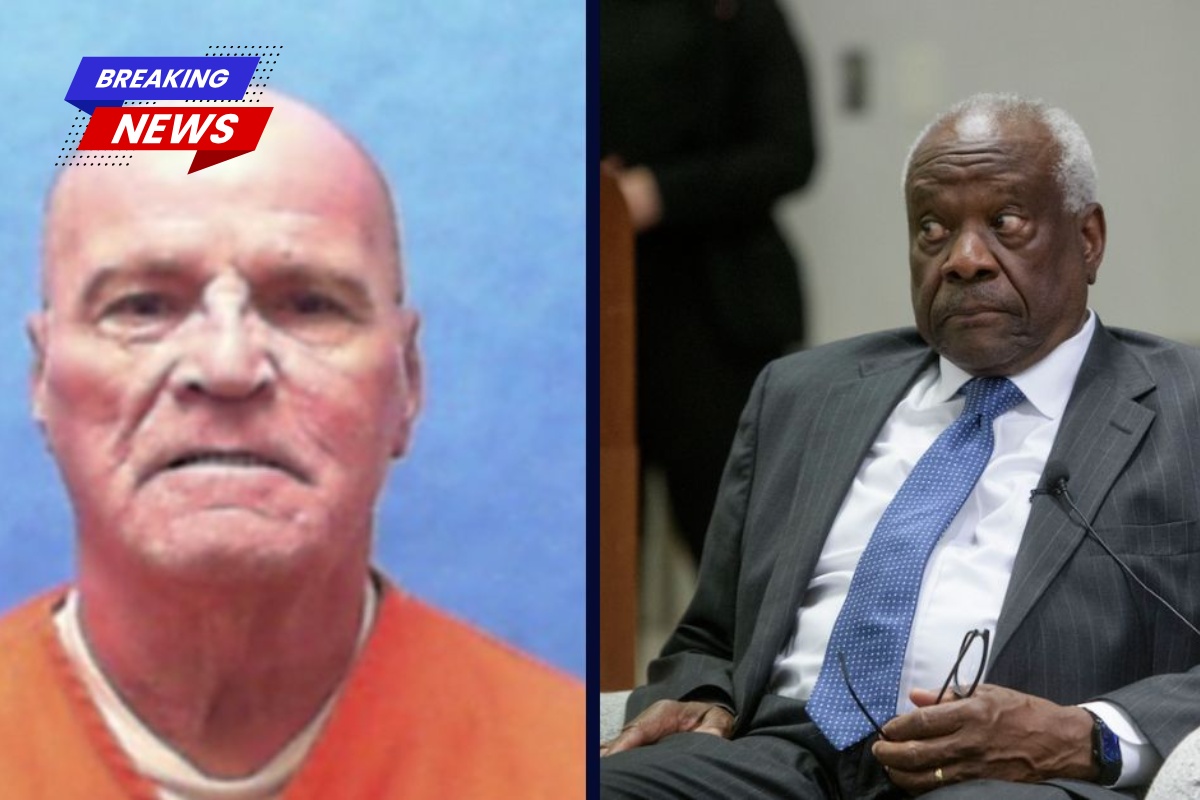
A disagreement within the U.S. Supreme Court has drawn attention after Justice Clarence Thomas criticised his fellow justices for intervening in what he described as a minor legal error in a death penalty case.
Thomas argued that the court spends time correcting insignificant mistakes while often refusing to hear cases that he believes involve far more important legal issues affecting ordinary Americans.
His comments came in a strongly worded dissent released alongside a Supreme Court order involving a Florida death row inmate.
Justice Thomas Criticises Supreme Court Decision
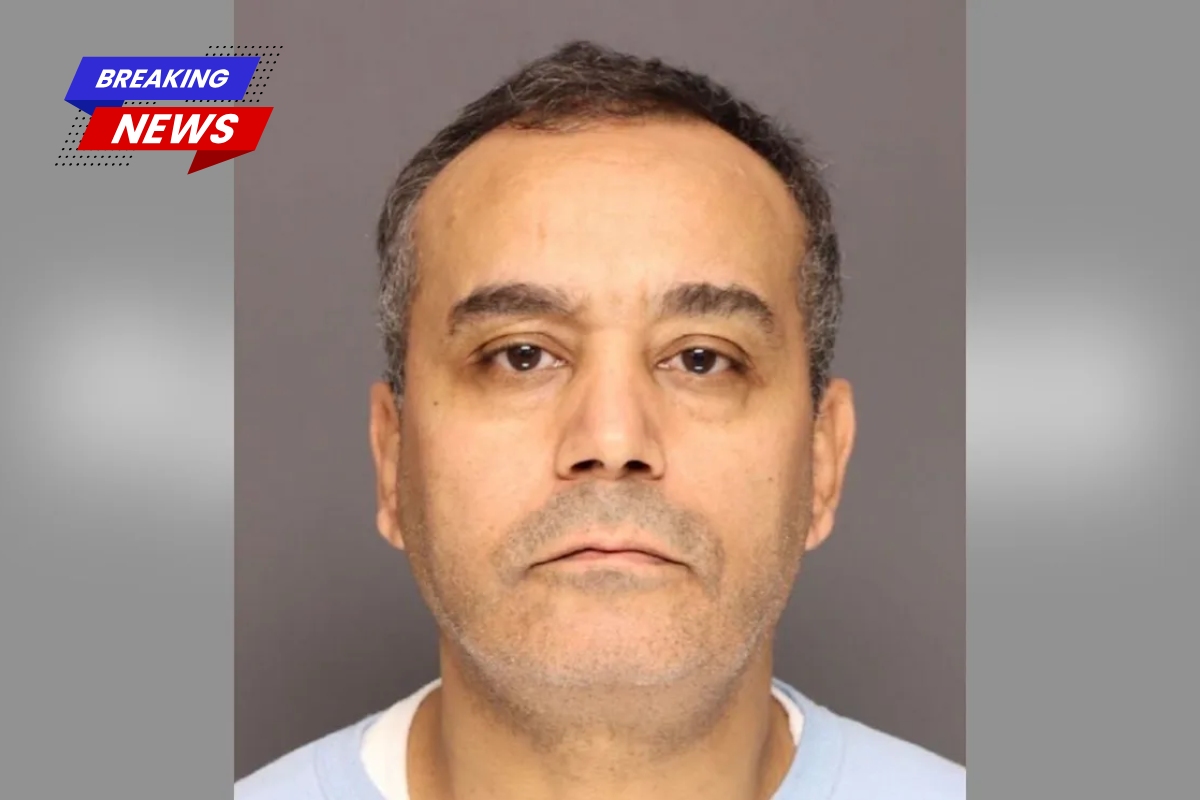
Justice Clarence Thomas issued a dissent on Monday after the Supreme Court reviewed a decision involving Florida death row inmate Gary Richard Whitton.
The case centred on whether the 11th U.S. Circuit Court of Appeals improperly considered DNA evidence that was never presented to the jury during Whitton’s original trial.
The Supreme Court’s unsigned opinion concluded that the appeals court should not have relied on that evidence when evaluating claims related to witness testimony.
While the ruling technically favoured Whitton, the court did not overturn his conviction or remove him from death row.
Thomas argued that the court’s intervention would have little practical effect on the outcome of the case.
Background of the Florida Death Penalty Case
Gary Richard Whitton was sentenced to death in 1992 following the killing of James Stallings Maulden, a 50-year-old man described in reports as Whitton’s friend.
According to court records, Maulden died after being stabbed and beaten during an altercation in a motel room.
Years later, Whitton challenged aspects of his conviction, arguing that prosecutors relied on testimony from a jailhouse informant who had allegedly misrepresented his criminal history.
The case eventually reached the federal appeals court, which reviewed evidence connected to the conviction.
Dispute Over DNA Evidence
The Supreme Court focused on the appeals court’s consideration of DNA testing conducted years after the original trial.
The DNA evidence involved blood stains found on Whitton’s boots. However, that evidence had not been presented to jurors during the trial itself.
The Supreme Court majority concluded that the appeals court should not have relied on evidence that the jury never saw when evaluating whether the informant’s testimony affected the verdict.
According to the court, the DNA evidence was not relevant to determining whether the witness’s alleged false statements influenced the jury’s decision.
As a result, the case was sent back for further review.
Thomas Calls the Error Inconsequential
Justice Thomas strongly disagreed with the decision to spend time addressing what he viewed as a minor issue.
In his dissent, he argued that the appeals court could simply revise its opinion by removing a few sentences discussing the DNA evidence and reach essentially the same conclusion.
Because the correction would likely have no meaningful effect on Whitton’s conviction or sentence, Thomas described the issue as an inconsequential error.
He suggested that the Supreme Court’s resources could be better used addressing cases with more significant consequences.
Broader Criticism of Supreme Court Priorities
Beyond the Whitton case, Thomas used his dissent to criticise what he sees as an inconsistent approach to correcting legal mistakes.
He argued that the Supreme Court often declines to intervene in cases involving individuals who claim lower courts ignored or misapplied existing legal precedents.
According to Thomas, the court has increasingly provided rapid intervention in some cases while declining to review others that may have more substantial consequences for those involved.
His comments reflected a broader concern about how the court chooses which cases deserve attention.
Reference to Other Denied Cases
As part of his criticism, Thomas pointed to several cases he believes involved more significant legal issues.
Among them was a lawsuit filed by the widow of Air Force Staff Sergeant Cameron Beck. Beck died in a traffic accident on Whiteman Air Force Base in Missouri after a government employee driving a government vehicle allegedly caused a crash.
Although the driver later accepted responsibility for the collision, Beck’s widow was unable to pursue certain legal claims for damages.
Thomas previously dissented when the Supreme Court declined to hear that case, arguing that the legal questions deserved further review.
He referenced the matter again in his latest dissent as an example of a case he considered more important than the dispute involving Whitton.
Justice Alito Partially Joined the Dissent
Justice Samuel Alito joined most of Thomas’s dissent.
However, reports indicate that Alito did not join the portion of the opinion discussing the Cameron Beck case.
Despite that difference, both justices expressed concerns about the Supreme Court’s decision to intervene in the Whitton matter.
Their dissent highlighted continuing debates among the justices regarding the court’s role in correcting lower-court errors and selecting which cases deserve review.