Jury selection is starting Monday in what prosecutors are calling one of the biggest auto insurance fraud cases in Louisiana’s history. Two well-known local lawyers are set to face trial. They are accused of being part of a large scheme involving staged truck crashes and fake injury claims. Both lawyers have denied all charges and pleaded not guilty.
Major Auto Insurance Fraud Trial Begins
The case centres around attorneys Vanessa Motta and Jason Giles. According to prosecutors, they were involved in a plan where drivers, known as “slammers,” were paid to deliberately crash into 18-wheelers. After the crashes, injury lawsuits were filed, and settlements were collected.
Officials say 63 people have been charged in connection with the case. Many of them have already pleaded guilty. Motta and Giles are now being tried together in court.
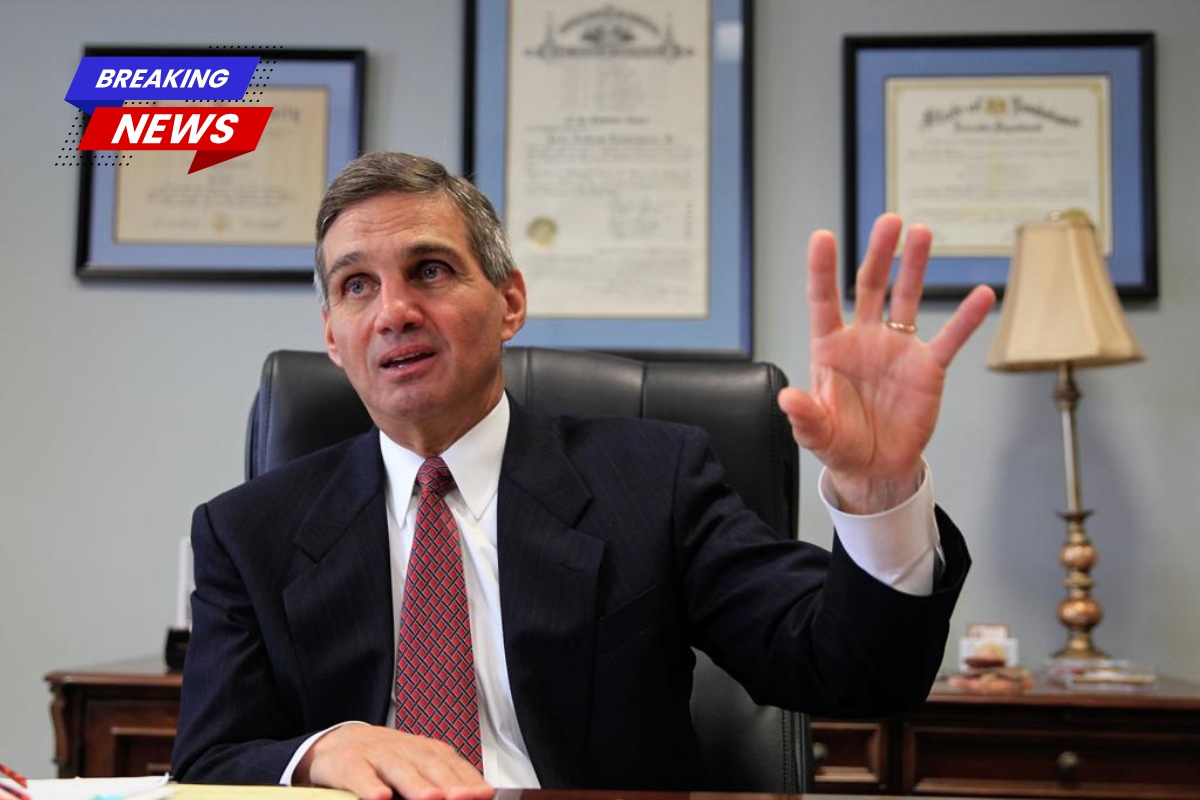
Legal experts believe the trial could last for weeks due to the scale of the case. Criminal defence lawyer Craig Mordock, who is not involved but has been closely following the proceedings, said the amount of money and number of cases involved make it a serious matter.
He pointed out that nearly 10 years of personal injury cases are under question, with almost a billion dollars in settlements connected to the investigation.
Allegations of Staged Crashes
Prosecutors claim the scheme worked in a simple but illegal way:
- Drivers intentionally hit large commercial trucks.
- Injury lawsuits were filed against trucking companies.
- Settlements were collected through the legal process.
- Lawyers allegedly received a share of the settlement money.
The drivers who carried out the crashes were reportedly paid for their role. These drivers were referred to as “slammers” in court documents.
Authorities say this organised effort led to inflated insurance payouts, affecting companies and possibly policyholders across the state.
Vanessa Motta’s Defence Strategy
Vanessa Motta’s legal team has argued that she was manipulated by a co-defendant in the case. Her lawyers claim she was influenced by someone who had a previous federal fraud conviction.
Earlier, her defence team maintained that she did not know the crashes were staged. In 2024, they even described her as a victim in the larger scheme.
Her lawyers are expected to continue focusing on the argument that she lacked knowledge and intent, which are key elements in white-collar crime cases.
Challenges Facing Jason Giles
Legal experts believe Jason Giles may face a tougher defence in court. According to Craig Mordock, there is no clear alternative explanation being presented so far that shows Giles was unaware of the alleged scheme.
In cases like this, prosecutors must prove that the accused had knowledge of the fraud and intended to participate in it. Mordock described the case against Giles as a typical white-collar prosecution, where proving intent will be central to the outcome.
Key Witness and Shocking Turn of Events
The case also carries a tragic and dramatic background. In September 2020, a key witness named Cornelious Garrison was shot and killed in New Orleans just four days after his name appeared in an indictment related to the case.
Ryan Harris, who admitted to killing Garrison, is expected to testify during the trial. The judge has also ruled that recorded statements made by Garrison about the alleged scheme can be presented in court.
This development adds another serious layer to an already complex and high-profile trial.
Impact on Louisiana Drivers
Experts say regular Louisiana drivers may be directly affected by the outcome of this case. Insurance fraud can lead to higher premiums for everyone.
If prosecutors prove that large-scale fraud took place, insurance companies may strengthen their checks and monitoring systems. Some believe that stopping such schemes could help control rising insurance costs in the state.
At the same time, the court will carefully examine whether the accused lawyers were truly involved or wrongly blamed. The final verdict could have a lasting impact not just on those facing charges, but also on how personal injury cases are handled in Louisiana in the future.