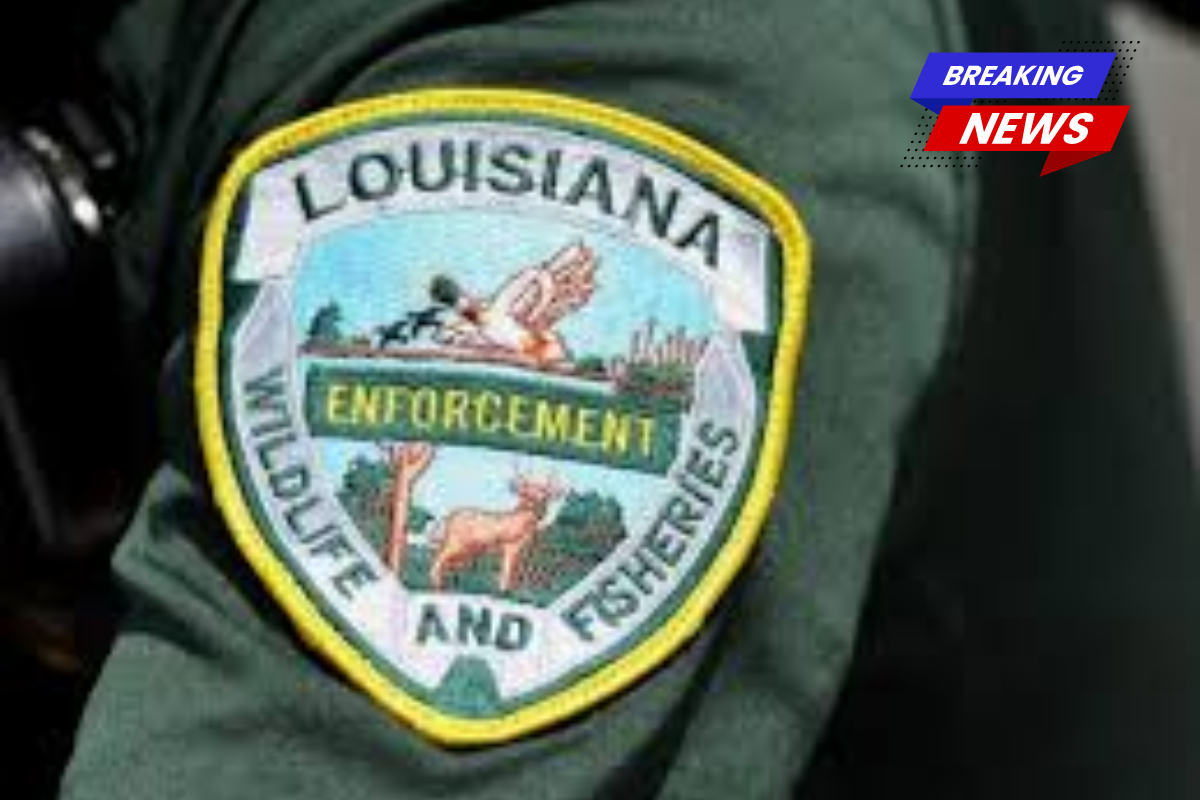
The Louisiana Department of Wildlife and Fisheries (LDWF) has cited two men in Lafourche Parish for alleged commercial crabbing violations. Officials say both cases involved possessing more than the legal limit of immature female crabs, which are protected under state regulations.
These rules are in place to protect crab populations and support long-term sustainability for Louisiana’s seafood industry.
LDWF Patrol in Little Lake Leads to First Citation
On February 16, around 11:00 a.m., LDWF enforcement agent Corporal Troy Autin was on routine patrol in Little Lake when he noticed a commercial crab vessel actively tending traps.
The agent approached the vessel to conduct a compliance check. During the inspection, authorities say Hong Tran, 48, of Cut Off, was found to be in possession of more immature female crabs than legally allowed.
As a result:
- Approximately 180 pounds of crabs were seized
- The crabs were safely returned to the water
Wildlife agents regularly monitor fishing and crabbing activity to ensure commercial operators follow state laws.
Second Violation Reported in Hackberry Bay
Later that same day, around 1:00 p.m., Corporal Autin was patrolling Hackberry Bay when he observed another commercial crab vessel tending traps.
During a compliance inspection, Phillip Tran, 54, of Cut Off, was also found to be in possession of more than the legal limit of immature female crabs.
In this case:
- About 300 pounds of crabs were seized
- The crabs were returned to the water
LDWF officials say protecting immature female crabs is essential because they contribute to future crab populations.
Why Limits on Female Crabs Matter
Louisiana has strict regulations when it comes to commercial crabbing. Immature female crabs are protected to ensure they can grow and reproduce. Removing too many from the water can damage the ecosystem and hurt the seafood industry in the long run.
Here’s a simple overview of why these rules are important:
| Regulation | Purpose |
|---|---|
| Limits on immature females | Protect future crab populations |
| Compliance checks | Ensure commercial fishers follow the law |
| Seizure and release | Prevent long-term environmental damage |
Commercial seafood plays a big role in Louisiana’s economy. That is why enforcement officers conduct routine patrols across lakes and bays.