
Rising tensions between the United States and Iran are continuing to shape global headlines, as strong statements and policy decisions from leaders are affecting both diplomacy and everyday life.
Trump Addresses Economic Concerns
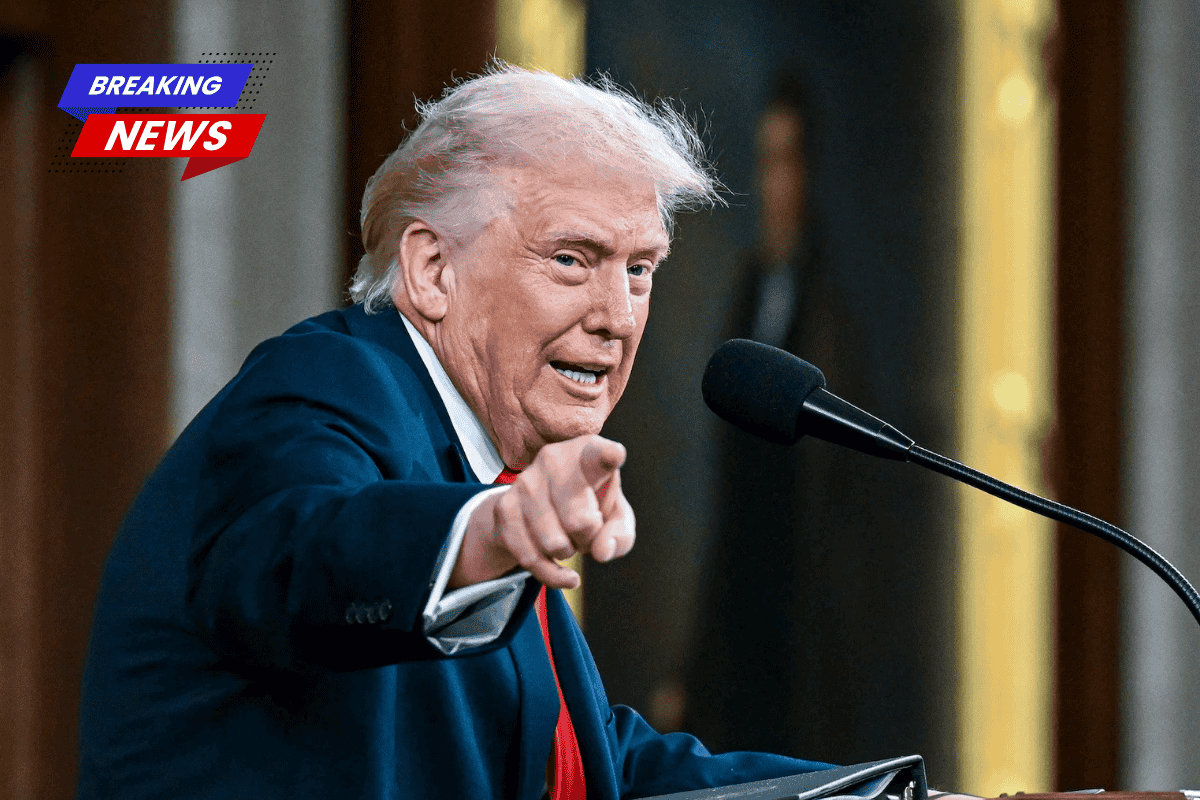
During a recent interview, Donald Trump responded to growing concerns about rising fuel prices and economic pressure. Speaking on a Fox News programme hosted by Maria Bartiromo, Trump urged Americans to stay patient.
He acknowledged that prices, especially for fuel, could rise in the short term but expressed confidence that they would eventually come down. He also suggested that the situation could stabilise by the time of upcoming midterm elections.
Impact of the Ongoing Conflict
The tensions linked to the Strait of Hormuz blockade have already affected global oil supply. Since this route is crucial for transporting a large share of the world’s oil, any disruption has a direct impact on fuel prices.
Trump’s remarks came as markets reacted to uncertainty, with fluctuations in stock prices and concerns about long-term economic effects.
Comments on Market Volatility
Trump downplayed the recent drop in stock markets, stating that the situation could have been much worse. He suggested that while markets have seen some decline, the impact has not been as severe as expected.
He also compared the current economic situation to more extreme scenarios, implying that despite rising costs, the country is not facing the worst possible outcomes.
Strong Statements on Iran
In the same discussion, Trump defended his tough stance on Iran. He referred to past hostile slogans directed at the United States and argued that his strong language was meant to bring Iran to negotiations.
His comments included support for aggressive measures, which have added to global concerns about the possibility of further escalation.
Public Reaction and Concerns
Trump’s statements have drawn mixed reactions. While some supporters agree with his strong approach, others are worried about rising living costs and the risk of a larger conflict.
Issues like fuel prices, inflation, and market instability are directly affecting everyday life, making the situation more sensitive for the public.






