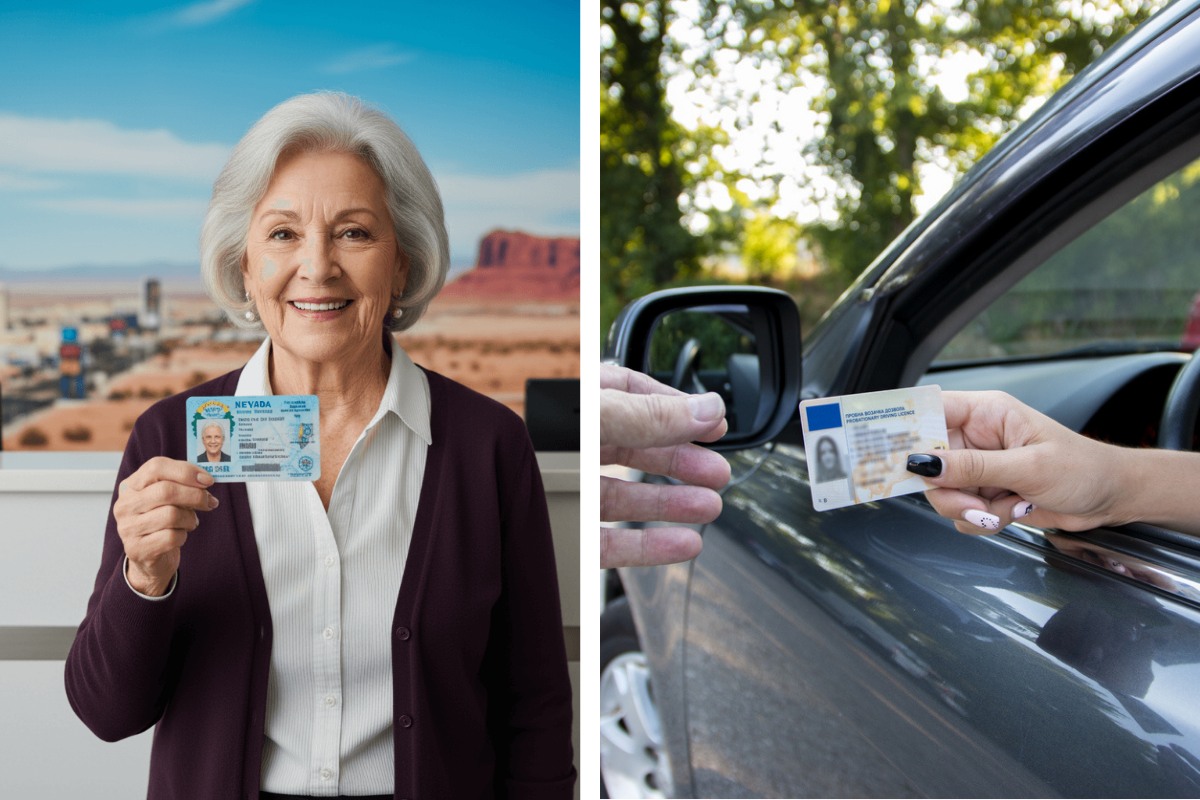
Nevada offers specific guidelines for seniors renewing their driver’s licenses to ensure road safety while accommodating age-related needs. These rules apply to non-commercial Class C licenses and focus on drivers aged 65 and older.
Renewal Frequency for Seniors
In Nevada, driver’s licenses for those under 65 typically last eight years, but seniors aged 65 and older receive a four-year term. This shorter cycle allows the Nevada DMV to monitor vision and health more regularly.
The expiration date appears on your license card, and the DMV mails a renewal notice about 60 days prior, though you’re responsible for renewing regardless. Seniors must alternate renewal methods every four years: if you renewed by mail last time, the next requires an in-person visit.
Eligibility for Online Renewal
Online renewal through MyDMV is unavailable for drivers aged 71 and older due to required in-person vision checks. Those aged 65-70 may qualify if their license is a standard four- or eight-year non-commercial type, not expired over a year, and without recent violations.
Limited-term licenses (e.g., for non-citizens or medical conditions) or those with three or more moving violations in four years also disqualify from online options. Instead, seniors over 71 renew by mail (if eligible) or in person.
Required Tests and Medical Evaluations
All renewing drivers take a free vision test at the DMV, measuring acuity (minimum 20/40) and field of vision; glasses or contacts are allowed if needed, adding Restriction B. For ages 71+, this is mandatory each cycle, and failure may lead to restrictions, daylight-only driving, or denial.
Doctors can perform the vision test using a DMV form if done within 90 days. Knowledge or skills tests aren’t routinely required for seniors unless the license expired over a year, multiple violations occurred, or medical issues arise. The DMV may request physician reports for conditions like dementia or medications affecting alertness.
Renewal Methods
In-Person Renewal: Schedule at a DMV office via MyDMV; bring ID, proof of address, and any Real ID documents. Ideal for vision tests on-site and handling restrictions. Rural offices may have walk-ins.
Mail Renewal: Eligible over-65s get a full application 60 days pre-expiration if no prior mail renewal in four years and clean record. Over-71s include a doctor’s physical evaluation. Mail to DMV with payment; new card arrives by mail.
Out-of-state seniors use a special DMV 204 form. Track mailed cards via MyDMV.
Costs and Fees
Seniors pay a reduced $17.25 for a four-year renewal, versus $22.50 for under-65s. Late fees add $10 after 30 days expired; over one year requires knowledge test, over four years adds skills test. No extra vision test fee.
Real ID upgrades don’t increase base fees but need extra docs. Military seniors get extensions or mail options.
Special Considerations and Late Renewals
No maximum age exists, but repeated issues trigger reviews. Receive a postcard if mail-in isn’t allowed next cycle—forcing in-person. Update address via MyDMV to avoid issues.
Drive legally post-65 by planning ahead; extensions rarely apply now. Consult dmv.nv.gov for forms or appointments. Safe driving supports independence.
Sources
- (https://blakefriedmanlaw.com/nevada-drivers-license-renewal-for-seniors-citizens/)
- (https://dmv.nv.gov/dlrenewal.htm)
- (https://blackburnwirth.com/blog/nevada-drivers-license-renewal-over-70/)
- (https://blakefriedmanlaw.com/nevada-drivers-license-renewal-for-seniors-citizens/)