
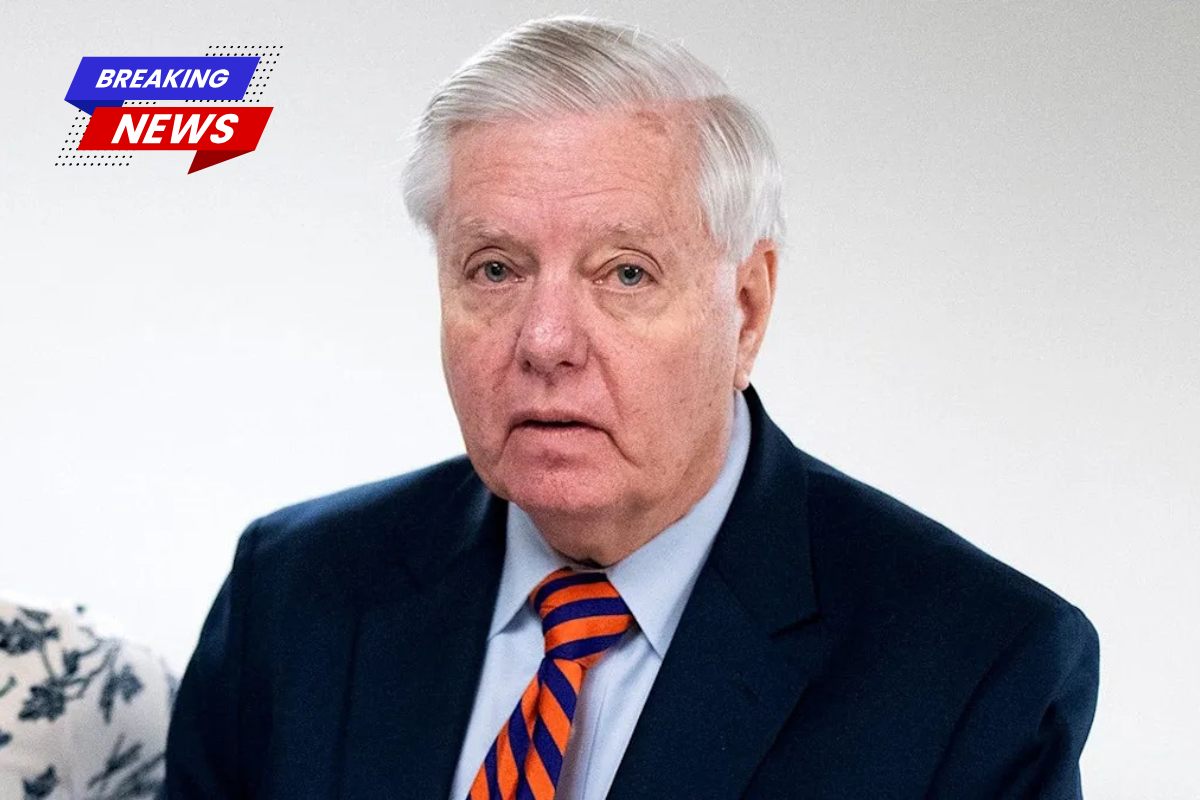
During a recent appearance on Fox News, U.S. Senator Lindsey Graham discussed his approach to the ongoing war in Iran, proposing that arming Iranian civilians could shift the internal balance of power and reduce the need for American military intervention.
A “Second Amendment Solution” for Iran
In his interview with Sean Hannity, Graham introduced what he called a “Second Amendment solution” for the Iranian population, drawing parallels between the American Revolution and the current political dynamics in Iran. He emphasized that, like the American founding fathers, Iranian citizens should have access to weapons to resist an oppressive regime.
“I love the idea of a Second Amendment solution for the Iranian people,” Graham stated, defending the Second Amendment in the U.S. and linking it to Iran’s authoritarian regime, which restricts access to firearms. He argued that historically, the first move of a king or a theocracy is to disarm the people to prevent any threat to their power.
Arming Iranian Civilians for Internal Resistance
Graham further outlined his strategy, suggesting that if he were in a position of power, he would work with Israel and President Donald Trump to supply weapons to Iranian civilians. He stated, “If I were President Trump and Israel, I would load the Iranian people up with weapons so they can go to the streets armed and turn the tide of battle inside Iran.”
By arming civilians, Graham believes the Iranian people could create internal resistance and rise up against the ruling regime without the need for U.S. ground troops.
He suggested that millions of boots are already on the ground in Iran, but they lack the necessary arms to launch a successful uprising. “We don’t need American boots on the ground,” he said. “Give them the weapons so they can rise up like we did to destroy this regime.”
Geopolitical and Economic Considerations
Graham also tied his proposed strategy to the control of critical infrastructure such as the Strait of Hormuz, a vital waterway through which a significant portion of global oil supply passes. Securing the Strait of Hormuz, Graham argued, would bring the conflict to a close, leading to a strategic “checkmate” against the Iranian regime.
Despite the growing complexity of the conflict, which has now entered its second month, Graham described the ongoing military campaign as effective. According to him, Iran’s military capabilities have been significantly weakened, and he claimed that the country’s nuclear program had been obliterated.
War Costs and Public Opinion
The Pentagon has estimated that the war in Iran has cost around $25 billion, and the conflict has contributed to disruptions in global energy markets.
However, Graham defended the campaign, calling it “brilliant” and urging continued pressure on Iran. He also called for international allies to play a more active role in securing global shipping routes, particularly in the Strait of Hormuz.
His remarks come at a time when the war’s cost and complexity have raised questions among lawmakers and the American public about the sustainability and long-term effectiveness of the U.S. military’s involvement.






