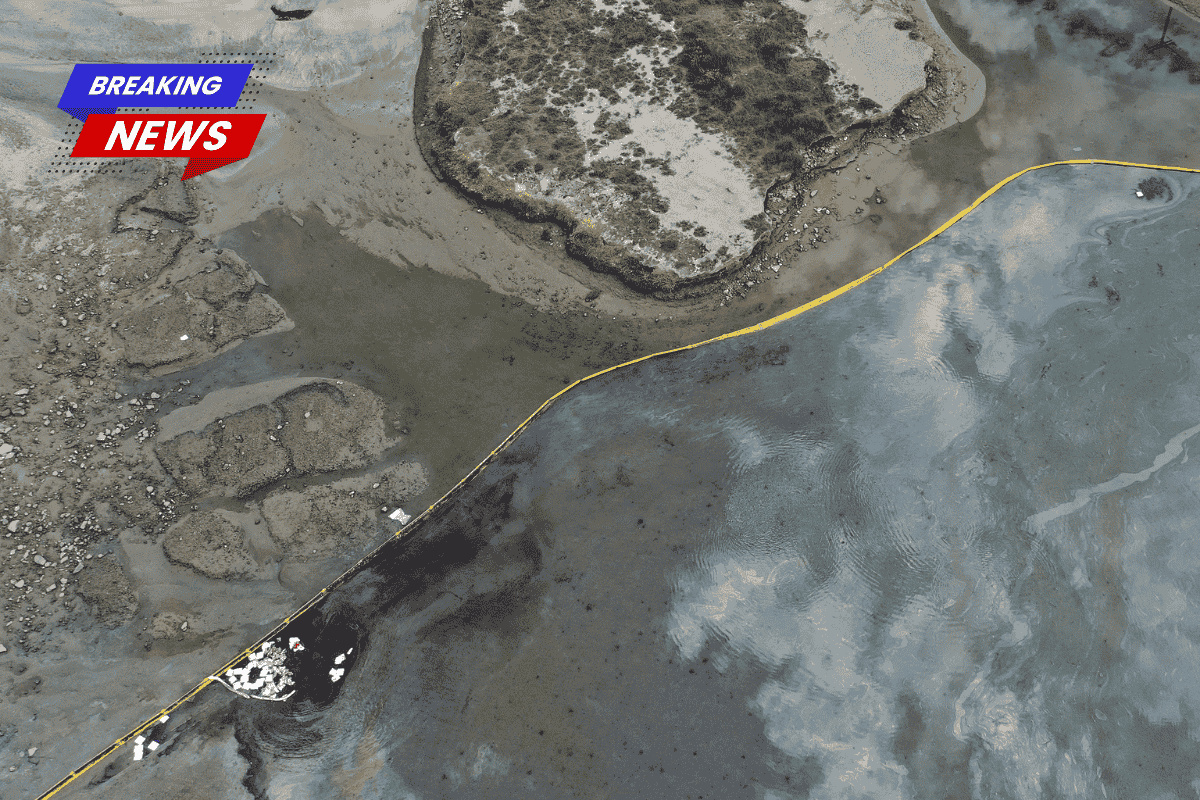
The recent oil spill near Louisiana’s offshore waters has created serious worries for fishermen and coastal businesses. The incident, which happened in late February 2026, has already started affecting fishing activities, marine life, and local livelihoods across the Gulf Coast. Many people who depend on the sea for income are now facing uncertainty.
What Happened in the LOOP Oil Spill
The oil spill took place on February 26, 2026, near the Louisiana Offshore Oil Port (LOOP), located about 18 miles offshore from Grand Isle and Port Fourchon.
According to early reports:
- Around 31,500 gallons of crude oil leaked into the Gulf
- The spill happened during a transfer operation between offshore equipment and a tanker
- A mechanical failure in a cargo hose caused the leak
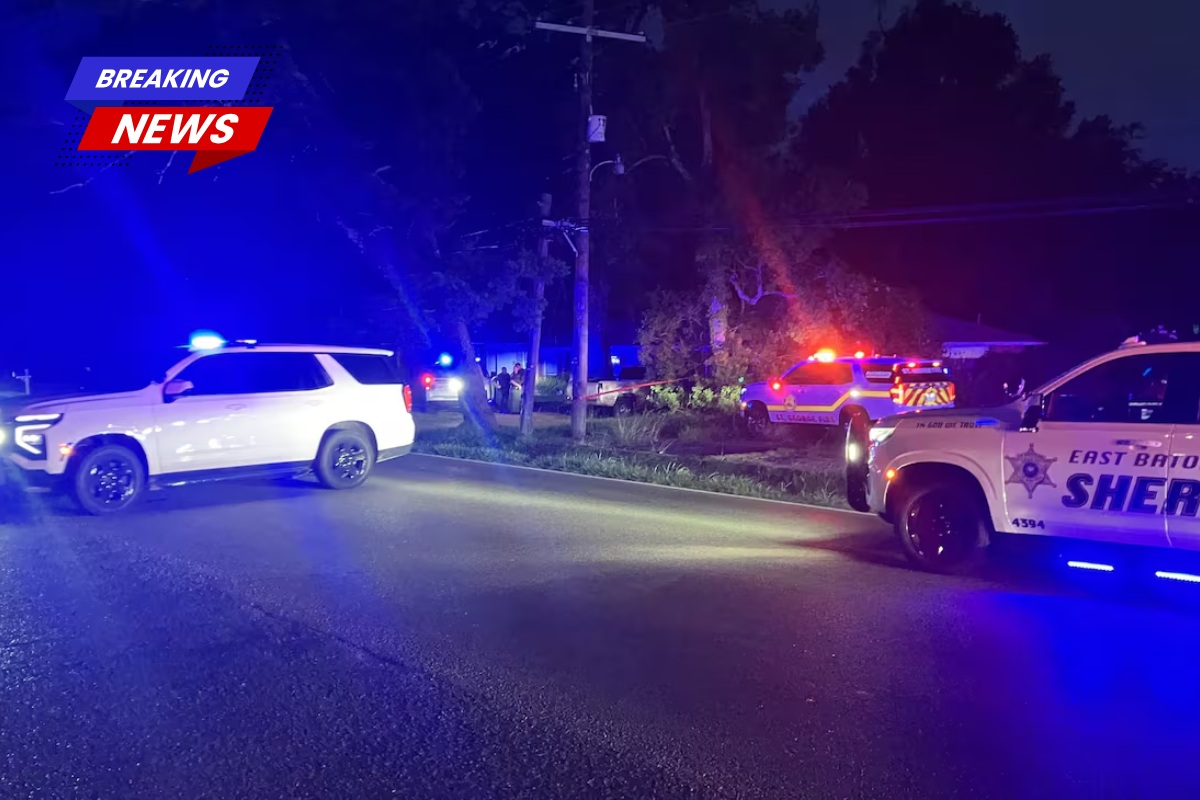
Authorities, including the Coast Guard and state agencies, quickly started cleanup operations using boats, aircraft, and containment barriers. However, oil has already been spotted in nearby coastal areas like Terrebonne Parish.
Who Is Affected by the Oil Spill
This spill is not just an environmental issue—it directly impacts thousands of people working in the fishing industry.
Here are the main groups affected:
| Group | Impact |
|---|---|
| Commercial Fishermen | Loss of fishing income and reduced catch |
| Shrimpers | Damage to shrimp lifecycle and lower harvest |
| Crabbers | Disruption in crab movement and habitat |
| Oystermen | Risk of contaminated oyster beds |
| Charter Captains | Cancelled trips and fewer tourists |
These communities rely heavily on clean water and healthy marine life to survive.
Legal Rights Under Oil Pollution Act
Under the Oil Pollution Act of 1990 (OPA), affected fishermen and businesses can claim compensation if their income is affected.
Important points:
- You don’t need proof that oil touched your boat
- Loss of income due to disruption is enough
- Claims must first be filed with the responsible party
- They have 90 days to respond before legal action
What You Can Claim
- Lost fishing income
- Cancelled bookings or orders
- Damage to equipment
- Business interruption losses
Many people choose to take legal help to make sure they get fair compensation.
Steps Fishermen Should Take Immediately
If you are affected, start collecting proof right away. This will help in getting compensation.
- Record lost fishing trips
- Track reduced catch amounts
- Save sales records and cancelled orders
- Keep fuel receipts
- Take photos of polluted areas
- Maintain catch logs and tax records
Proper documentation can make a big difference in your claim.
Impact on Shrimp Industry
Shrimp farming and fishing are highly sensitive to water quality.
Oil spills can:
- Harm shrimp larvae and eggs
- Reduce future shrimp populations
- Force fishing ground closures
- Increase fuel costs for fishermen
Since shrimping depends on seasonal timing, even short disruptions can cause major losses.
Effect on Crabbers and Oystermen
Crabbers and oyster harvesters also face serious risks.
- Oil can damage crab habitats and food sources
- Crab movement patterns may change
- Oyster reefs can become contaminated
- Harvesting areas may be closed
Oysters are especially vulnerable because they cannot move away from polluted water. Recovery can take years.
Charter Fishing Businesses Also Hit
Charter captains depend on tourism and good fishing conditions.
This spill can lead to:
- Trip cancellations
- Fewer tourists
- Loss of bookings
- Difficulty finding fish
Even the fear of pollution can reduce customer interest.