
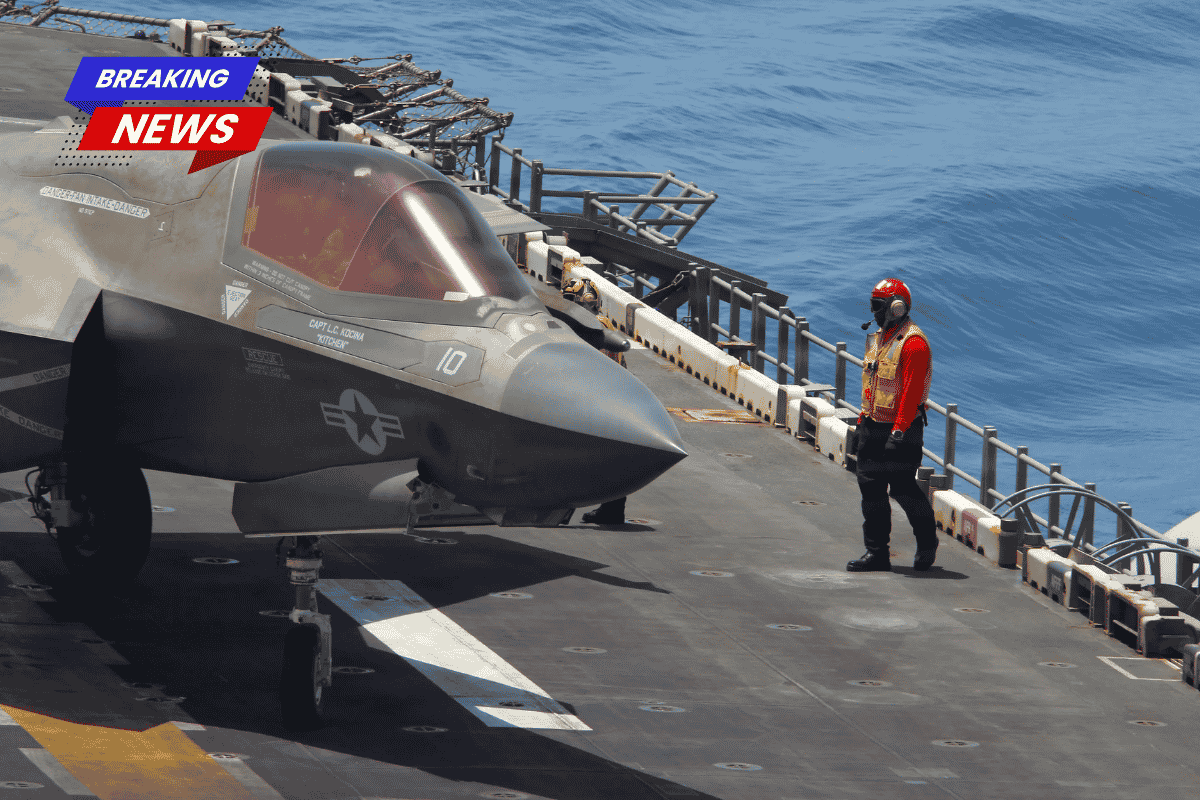
On Sunday, the prospects for a peace deal with Iran dimmed, increasing the likelihood that the ongoing global energy crisis will persist. This has led the U.S. to consider military operations aimed at reopening the crucial Strait of Hormuz, a vital waterway for global oil shipments.
Market Reactions
Following the breakdown in negotiations, U.S. stock futures saw a decline. The Dow Jones industrial average futures dropped by 200 points (0.40%), while the S&P 500 futures decreased by 0.33%, and Nasdaq futures lost 0.28%.
The oil market saw significant fluctuations, with U.S. oil futures rising 2.7% to $97.97 per barrel, and Brent crude following suit with a 2.7% increase to $104.01. In contrast, gold prices fell by 0.76%, reaching $4,695 per ounce.
The U.S. dollar also saw a modest gain, up 0.2% against the euro and 0.14% against the yen. Meanwhile, the yield on the 10-year Treasury remained stable at 4.36%.
Iran’s Response and Stalemate
The deadlock began after Iran responded to the U.S. ceasefire offer, which sought to open diplomatic channels. Iran insisted that negotiations should address a permanent end to the war across all fronts, including Lebanon.
They proposed a gradual reopening of the Strait of Hormuz, contingent on the U.S. lifting its naval blockade, but rejected key U.S. demands such as dismantling its nuclear facilities or halting uranium enrichment for 20 years. Additionally, Tehran called for the release of its frozen assets abroad.
President Donald Trump criticized Iran’s response, calling it “totally unacceptable” and accusing Tehran of “playing games” with the U.S. for decades. He added, “They will be laughing no longer,” hinting at the potential for more decisive actions.
Military Considerations and Energy Implications
As diplomatic talks falter, the U.S. is considering military action to reopen the Strait of Hormuz, which is critical for the transport of global oil supplies. Analysts warn that if the strait remains blocked, global oil stockpiles will quickly reach critically low levels, potentially causing a significant spike in oil prices.
Last week, President Trump attempted to break the deadlock by launching Project Freedom, a military effort to guide commercial ships safely through the Persian Gulf. U.S. destroyers successfully escorted some ships, fending off Iranian attacks, but less than two days later, Trump paused the initiative.
Path Forward
Energy Secretary Chris Wright explained on CBS News’ Face the Nation that the U.S. temporarily halted Project Freedom at Iran’s request in the hopes of securing a diplomatic deal.
He stressed that reopening the Strait militarily would be a complex and prolonged operation but could be pursued if negotiations fail. Wright added, “If it’s clear in the next few days that there’s not a good path to a negotiated settlement, we’ll go back to the military method to open the strait.”
With the situation still unresolved, the world waits to see whether further military action will be necessary to stabilize the global energy market and ensure the free flow of oil through the Strait of Hormuz.






