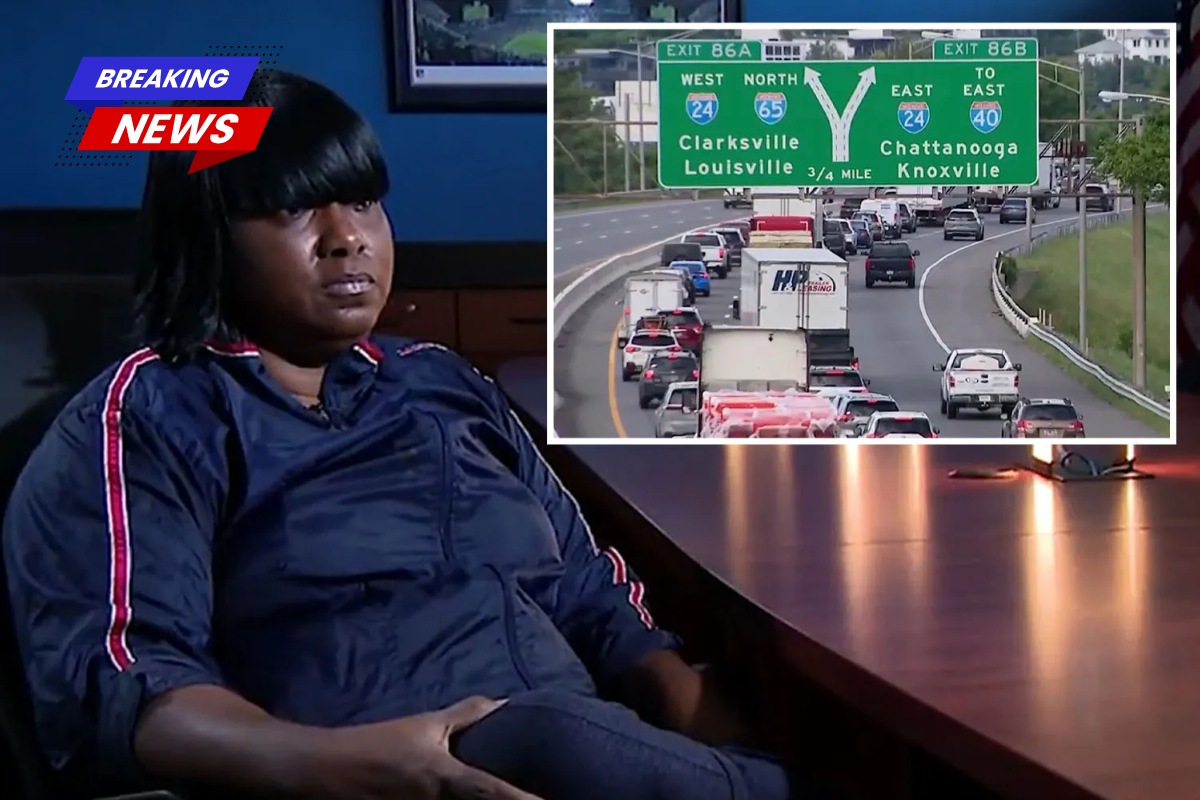
Terrence Wise, a leader with the Missouri Workers Center, is one of many individuals planning to participate in this year’s May Day Strong protests. Wise and his family, who have faced homelessness and hunger despite working multiple jobs, will take the day off from work and school to join in the nationwide action.
The Struggles Behind the Protests
Wise, 46, of Kansas City, works three gig jobs and his fiancée is a home health care worker. Despite their hard work, he says there are days when their freezer is bare. He recalled the difficult times when his family slept in their minivan outside his job.
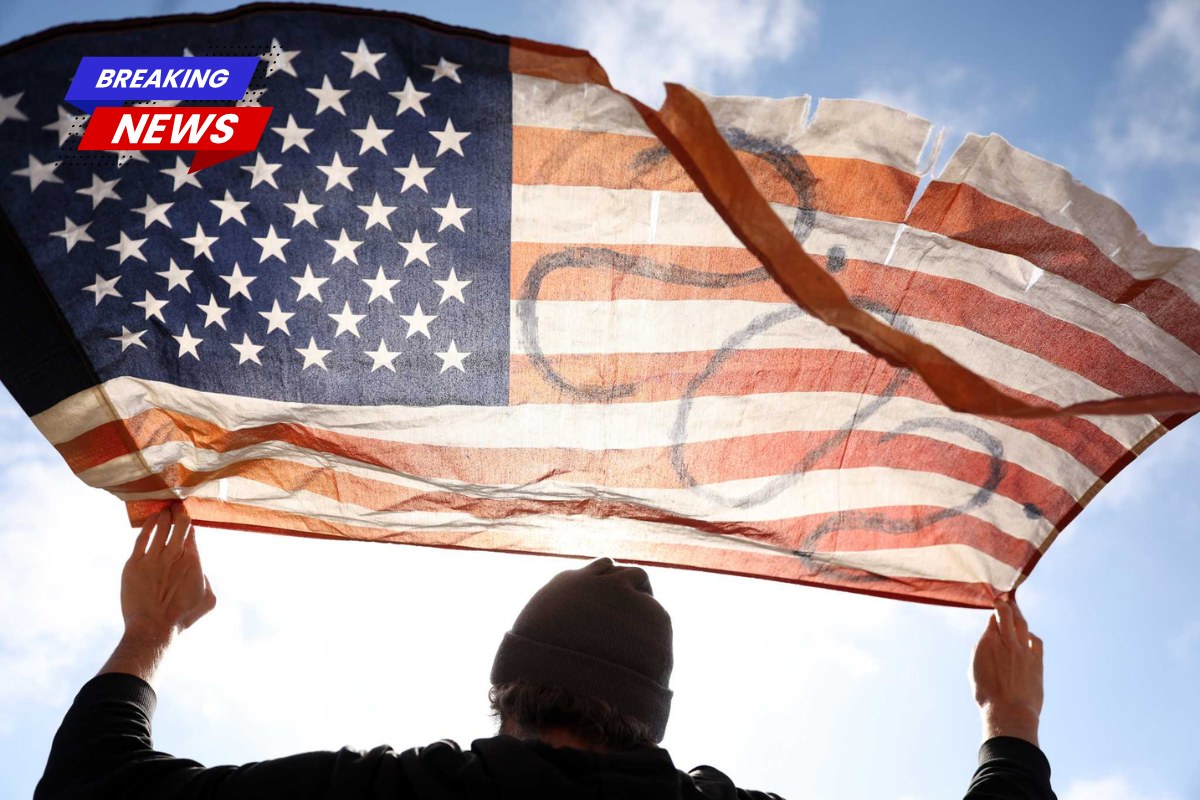
On May 1, Wise and others will join hundreds of thousands of Americans in over 3,000 events across the country, part of the “May Day Strong” or “Workers Over Billionaires” protests. These events focus on issues such as worker rights, economic justice, immigrant rights, income inequality, and labor rights.
Why May Day is More Important Than Ever
May Day has been a platform for protest since 1886, when it originated in Chicago as a demand for an eight-hour workday. Today, participants say the protests are more important than ever as the cost of living continues to rise, while wages remain stagnant.
Wise explained, “If you want to see real change, you’ve got to be a part of the solution.” He emphasized that those who are not actively participating are part of the problem, calling for people to join in the fight for a fairer economic system.
The “Saver’s Match” and Workers’ Rights
The protests this year coincide with growing dissatisfaction over the promises made by President Trump’s administration. As Sulma Arias, Executive Director of People’s Action, stated, people are increasingly aware of “broken promises” by an administration that has failed to make life more affordable for everyday Americans.
Trump’s administration has long been associated with policies favoring workers, but protest organizers argue that the reality for many workers is still one of stagnant wages and increased financial burdens.
School Walkouts and Strikes
On May 1, school walkouts and teacher strikes are planned in multiple states, including Georgia, Illinois, North Carolina, Oregon, and Wisconsin. In North Carolina, nearly 20 school districts have canceled classes, as so many teachers took personal days to participate in the May Day protests. One significant rally is set to take place in Raleigh, where educators will march in the “Kids Over Corporations” rally.
In Minneapolis, David McCann, a hotel worker, is striking as part of the UNITE HERE Local 17 union, demanding a $3 raise and sick days. McCann, who works at the front desk, explained that he and his colleagues work multiple jobs just to get by, and he believes it’s reasonable to ask for better wages to support their families.
A Nationwide Economic Protest
This year’s May Day protests will be part of a broader effort to push for economic justice. Boycotts have long been part of American protest, from the Boston Tea Party to the Montgomery Bus Boycott during the Civil Rights Movement. Protesters aim to bring attention to companies and policies that they believe exploit workers or favor corporate interests.
In addition to protests, economic shutdowns are becoming a more common form of resistance, with various grassroots movements mobilizing for greater non-cooperation and boycotts of companies that support the Trump administration. The goal is to bring awareness to the economic inequality many feel is being exacerbated by current policies.
Organizers and Future Actions
Organizers of the May Day Strong events expect a significant turnout, with thousands expected to attend centralized events in major cities and smaller gatherings in local communities.
The movement, which is largely led by labor unions, advocacy groups, and teachers’ unions, aims to send a clear message to those in power: workers demand better pay, better working conditions, and a fairer economic system.