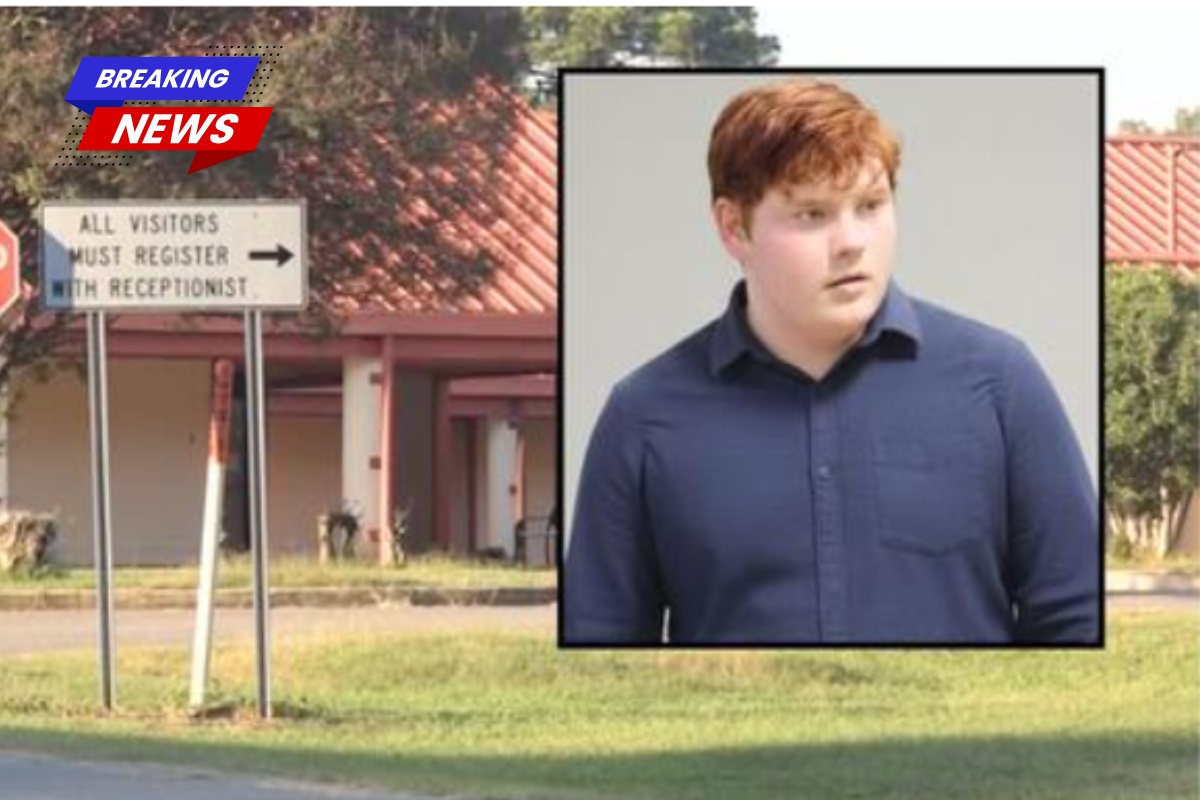
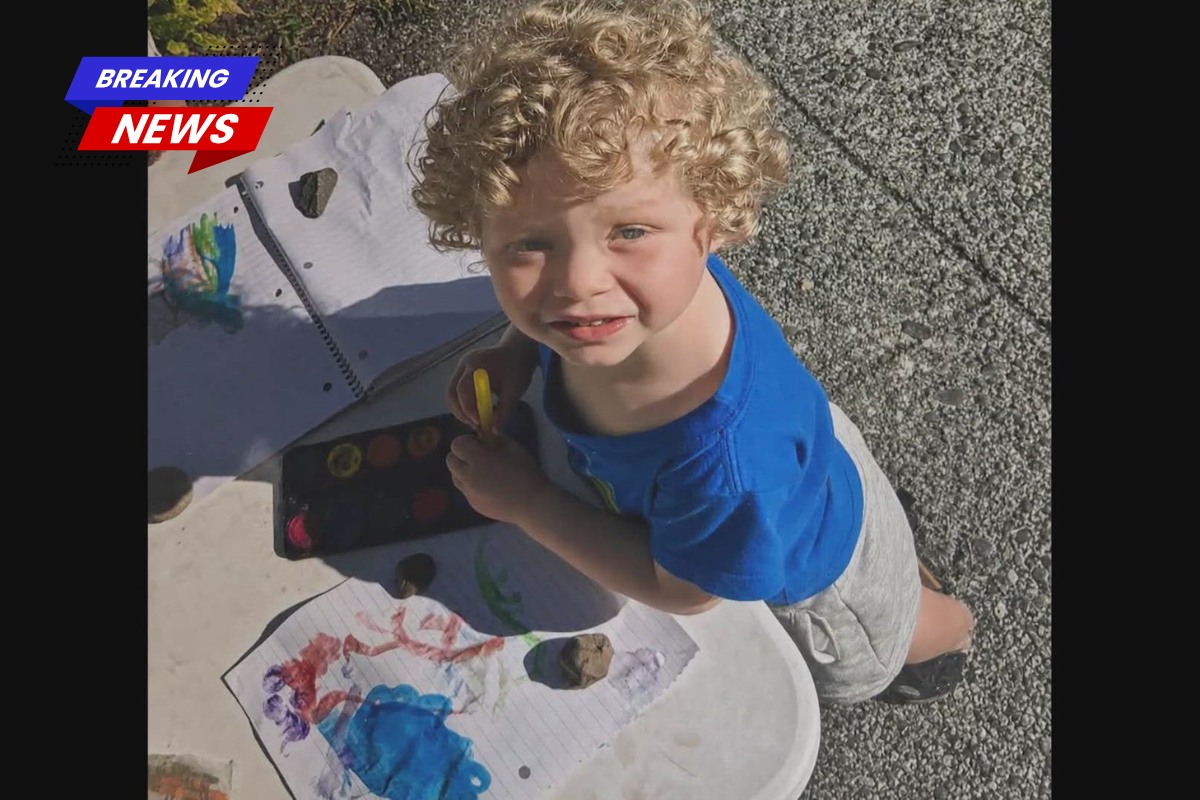
It has been a year since anyone saw 11-year-old Jacob Pritchett, a nonverbal autistic boy who was reported missing in October 2025. However, according to reports, Jacob was last seen through his window by a property manager on April 2, 2025, at his NYCHA apartment in Brownsville, Brooklyn. What followed was a disturbing chain of events.
When police questioned his mother, she claimed to have never had a child, asserted that she was barren, and even stated that she was Jesus Christ. Blood was found inside the apartment and on a mattress outside. Strangely, Jacob’s mother has his name tattooed on her arm.
The Struggles of Children with Disabilities
Jacob’s case is just one example of the disturbing reality faced by children with disabilities. Research reveals that children with disabilities are three times more likely to suffer from abuse and neglect compared to their able-bodied peers.
According to a study in Pediatrics, children with chronic illnesses or disabilities can place higher emotional, physical, and economic demands on their families. The emotional and physical toll on parents can be overwhelming, especially when dealing with severe disabilities.
In other heartbreaking cases, children with disabilities have faced neglect and abuse. In February 2025, 6-year-old Mason, an autistic boy from Florida, was beaten by his mother’s boyfriend and later succumbed to his injuries.
The mother explained that her boyfriend frequently became frustrated with the boy’s behavior. These situations are common, where parents are overwhelmed by the challenges of raising children with disabilities, and may turn to violence or neglect.
The Challenge of Being Voiceless
A major issue in these situations is that children with disabilities, like Jacob, are often unable to communicate when something is wrong.
Since they cannot tell adults when they are being mistreated, it makes them particularly vulnerable. For instance, Jacob was never enrolled in school, and his absence likely went unnoticed by officials until neighbors raised concerns. This highlights the isolation that many children with disabilities face.
Neglect: A Silent Epidemic
Neglect is often more common than abuse in cases involving children with disabilities. In one tragic case, 8-year-old Nazir Millien, who was on a feeding tube, starved to death when his mentally ill mother died suddenly in their Bronx apartment. Similarly, 10-year-old Brian Santiago, confined to a wheelchair and using a feeding tube, was found dead after his mother overdosed in 2024.
Many of these children’s disabilities are linked to their mothers’ use of drugs or alcohol during pregnancy. Infants exposed to drugs or alcohol in the womb are at a higher risk of developing lifelong disabilities. This creates a toxic cycle, where parents with mental illness or substance addiction struggle to care for children who need more support, and the children become even more vulnerable.
The Challenges in the System
The systems meant to protect children often fail to account for the complexity of these situations. Parents suffering from addiction or mental illness may not be capable of meeting the needs of a child with a disability without additional support. Yet, agencies like the Administration for Children’s Services (ACS) often leave these vulnerable children in the care of their parents.
In some cases, even after a child has been removed from the home, they are later returned to the same unfit environment.
Advocates like Robyn Powell, a disability rights advocate, argue that removing children from parents with disabilities is often seen as discriminatory. Powell suggests that labeling parental disability as a predictor of harm is rooted in the legacy of eugenics, and she believes that removing children from struggling parents must be done cautiously.
The Need for Action and Oversight
Caring for children with significant disabilities is a daunting task for any parent. For parents dealing with addiction, mental illness, or developmental disabilities, this responsibility becomes even more overwhelming. It is naive to expect such parents to meet the high demands of caring for children with complex needs without substantial help.
Child welfare workers and judges need to understand the risks involved when deciding whether to leave children with their parents. Regular visits from caseworkers, consultations with relatives and neighbors, and increased oversight are crucial in preventing neglect and abuse. Agencies must not be influenced by parent or disability advocates to leave a child in an unsafe home.
The Search for Jacob
Jacob Pritchett’s case has drawn attention to the significant risks faced by children with disabilities. Despite extensive searches, including in local landfills, authorities have found no sign of Jacob, and the hope of finding him alive continues to fade. However, this case should serve as a reminder of the urgent need for better systems to protect vulnerable children.