
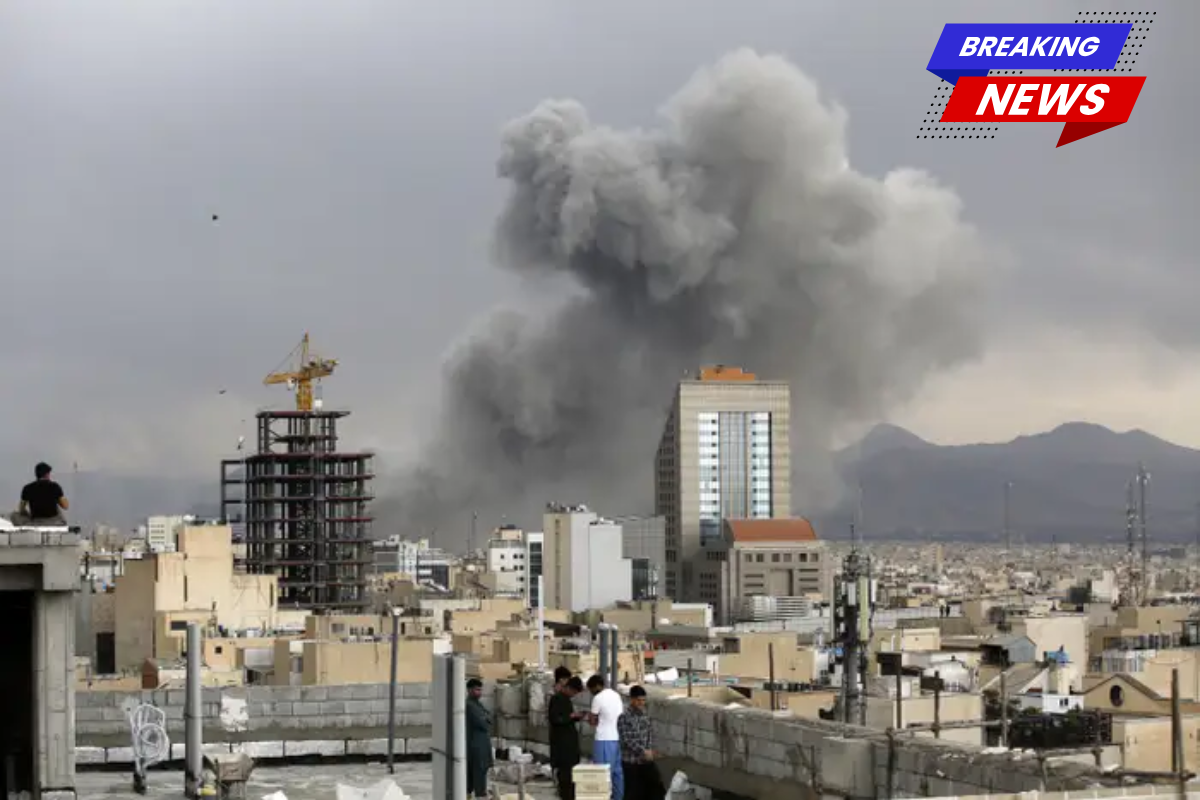
As tensions rise in the Middle East following military strikes on Iran, the U.S. government has urged American citizens in several countries to leave the region if it is safe to do so. However, many U.S. embassies have warned that they are currently unable to assist citizens with evacuations, leaving some Americans searching for their own ways out amid growing uncertainty.
U.S. Advises Americans to Leave Parts of the Middle East
The U.S. State Department has issued warnings urging American citizens in several Middle Eastern countries to consider leaving as conflict escalates in the region.
The warnings come after U.S. and Israeli strikes on Iran, which have triggered retaliatory actions across the region.
Countries where Americans are being urged to depart include:
- Bahrain
- Egypt
- Iran
- Iraq
- Israel
- West Bank and Gaza
- Jordan
- Kuwait
- Lebanon
- Oman
- Qatar
- Saudi Arabia
- Syria
- United Arab Emirates
- Yemen
Officials say Americans should leave only if they can do so safely.
U.S. Embassies Say Evacuations Are Not Available
Several U.S. embassies across the region have stated they are not currently able to evacuate American citizens.
The U.S. Embassy in Jerusalem said it is not in a position to assist Americans trying to leave Israel.
Instead, officials said travelers could use transportation options offered by the Israeli Ministry of Tourism, including shuttle buses traveling to the Taba border crossing between Israel and Egypt.
However, the embassy warned that the U.S. government cannot guarantee the safety of travelers using these routes.
Americans Report Difficulty Getting Help
Some Americans currently in the region say they have struggled to receive assistance from U.S. officials.
Karen and Bob Carifee, a couple from Texas stranded in Dubai after their cruise was canceled, said they have not received clear guidance on how to leave the region.
The couple said they registered with the State Department’s travel program but have not been contacted about evacuation options.
According to Karen Carifee, calls to the government hotline resulted only in a recorded message advising citizens to shelter in place and check embassy websites for updates.
The message reportedly warned citizens not to rely on the U.S. government for evacuation support at this time.
State Department Working on Travel Options
Officials say efforts are underway to help Americans who want to leave the region.
Assistant Secretary of State for Global Public Affairs Dylan Johnson said the department is working to secure military aircraft and charter flights for Americans wishing to depart.
According to Johnson, officials have already been in contact with nearly 3,000 Americans currently in the Middle East.
However, evacuation plans have not yet been finalized.
Embassies Reduce Operations Amid Security Threats
Many U.S. diplomatic facilities across the region have reduced operations or closed due to security risks.
The U.S. Embassy in Saudi Arabia issued a warning advising Americans not to approach its consulate in Dhahran due to the threat of missile and drone attacks.
Similarly, the U.S. Embassy in the United Arab Emirates announced that its facilities in Abu Dhabi and Dubai are closed until further notice.
Embassy officials have told citizens not to visit diplomatic buildings for any reason while security threats remain high.
Iranian Retaliatory Attacks Reported
Iran has reportedly launched retaliatory missile and drone attacks targeting locations connected to the United States and its allies.
Targets reportedly include:
- U.S. military bases
- The Burj Al Arab area in Dubai
- The U.S. Embassy in Riyadh
In addition, a drone strike reportedly caused a fire near the U.S. Consulate in Dubai.
Regional Airspace Closures Complicate Travel
Efforts to leave the region have also been complicated by airspace closures.
Countries that have shut down their airspace include:
- Iran
- Iraq
- Kuwait
- Bahrain
- Qatar
Airports in Dubai and Abu Dhabi are still operating limited flights, but officials have warned travelers not to go to the airport unless their flight has been confirmed.
Some Travelers Seeking Private Escape Routes
As commercial travel becomes more difficult, some wealthy travelers and expatriates are turning to private jets and chauffeured transport to leave the region.
However, large numbers of people attempting to cross borders into countries such as Saudi Arabia and Oman have created long delays at border checkpoints.
Travelers are now racing to reach locations where flights are still operating.
Concerns Over Lack of Clear Evacuation Plan
The situation has raised questions about how Americans should leave the region without direct government assistance.
Some observers and travelers have expressed frustration at the lack of a clear evacuation plan.
As the conflict continues to escalate, Americans in the Middle East are being advised to closely monitor official updates and take steps to protect their safety.






