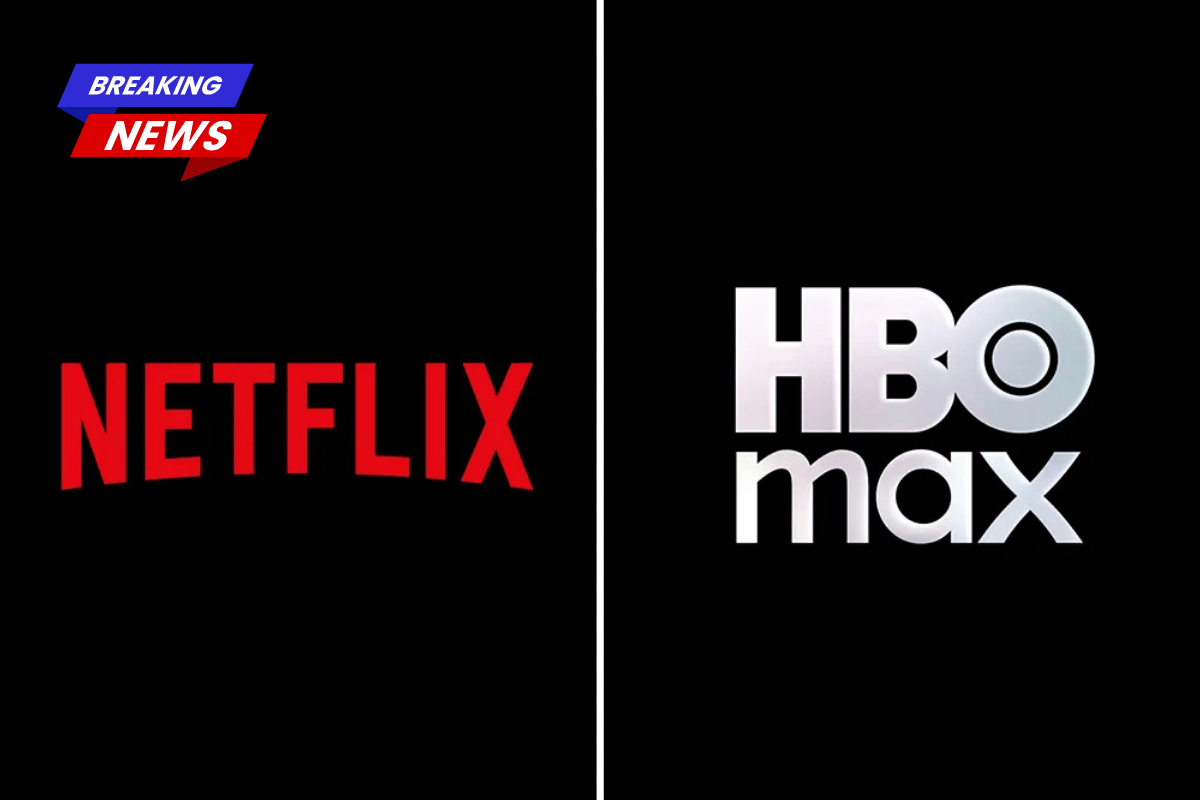
In a bold move that could reshape the streaming landscape, Netflix has announced a $72 billion merger with Warner Bros. Discovery, bringing a wealth of iconic content, from Batman and Superman to Harry Potter and Game of Thrones, under its umbrella.
The deal will significantly increase Netflix’s content library and add nearly 130 million HBO Max subscribers to its existing 300 million. This could create an unstoppable streaming force, but regulatory challenges and the potential impact on the movie theater industry remain concerns.
What’s Included in the Netflix-Warner Bros. Deal?
The merger would allow Netflix to integrate Warner Bros. Discovery’s extensive content library, which includes some of Hollywood’s most recognizable franchises and beloved shows. With classics like “Casablanca”, “The Sopranos”, and “Wonder Woman” alongside high-profile HBO series, Netflix would greatly expand its content offering.
If the deal passes through regulatory approval, it would bring significant consolidation to the video streaming space, with Netflix potentially becoming a dominant force.
HBO Max: What Happens After the Merger?
At the moment, Netflix and HBO Max will remain separate entities until the deal is finalized, expected to close by the third quarter of 2026. Netflix sent a letter to subscribers emphasizing that nothing is changing today, with both services continuing to operate independently. The regulatory and shareholder approvals are still pending, so for now, subscribers are assured that the current content on Netflix will remain the same.
However, Netflix co-CEO Gregory Peters hinted at possible integration, acknowledging that HBO’s brand is extremely powerful among consumers. He suggested that Netflix could eventually create programming bundles that combine both services, appealing to existing subscribers of both platforms, thereby increasing subscriber retention.
Regulatory and Industry Concerns
While the merger offers potential growth and innovation for consumers, it has also raised antitrust concerns. Critics, including Senator Elizabeth Warren, argue that the merger represents a monopoly nightmare that would harm consumers and reduce competition in the streaming market.
A senior official from the Trump administration also expressed skepticism about the deal, and there have been concerns raised across both political and entertainment sectors.
Hollywood has voiced its concerns as well, with the Screen Actors Guild and the American Federation of Television and Radio Artists cautioning about the impact on creative talent. They fear that the consolidation of such significant entertainment assets could negatively affect the future of human creative talent in the industry.
The Potential Impact on Movie Theaters
One of the major concerns about the Netflix-Warner Bros. deal is its potential impact on the movie theater industry. With the combined might of Netflix and Warner Bros. Discovery, the traditional theatrical film industry could face new challenges, especially if Netflix begins to dominate the release of blockbuster films traditionally seen in theaters.
However, Ted Sarandos, Netflix’s co-CEO, reassured the public that this merger would not eliminate theatrical films. He emphasized that Netflix would continue to release Warner Bros. Discovery films going forward, offering more value to consumers while still supporting creators and workers in the entertainment industry.
The Bottom Line: Will the Deal Pass?
Despite concerns, Netflix and Warner Bros. Discovery are confident that the merger will benefit consumers, creators, and workers alike, with Sarandos stating that the deal is “pro-consumer, pro-innovation, pro-worker, pro-creator, and pro-growth.” However, the path to completing the deal is far from certain. Regulatory scrutiny and political pressure, particularly regarding monopolistic concerns, could delay or even block the merger.
Analysts and competitors are closely watching how antitrust laws will impact the outcome, especially with key industry players like Paramount and Comcast having been involved in earlier bidding for Warner Bros. Discovery.