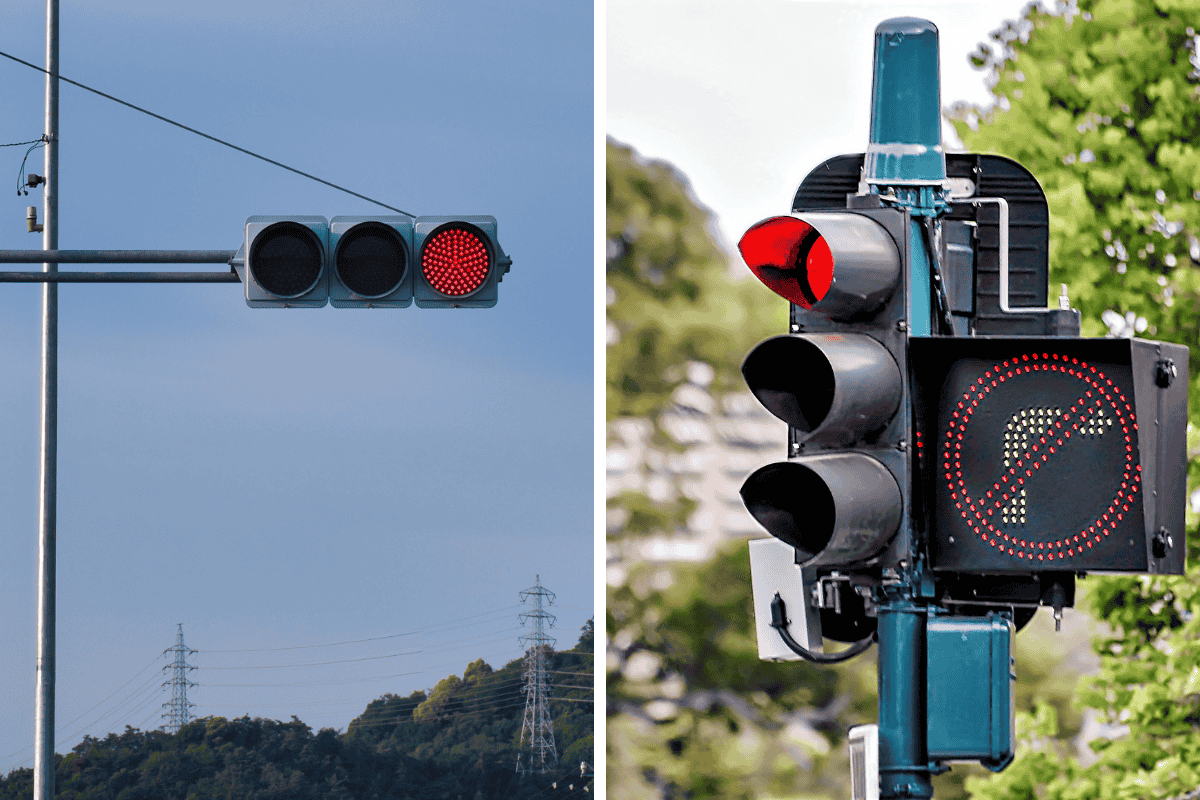
Nevada’s right‑turn‑on‑red rule has not changed in substance for 2026, but many drivers still misunderstand when and how it can be used. As of 2026, you are generally allowed to turn right on red after a full stop, provided you are in the right lane, yield to pedestrians and cross‑traffic, and no sign or signal prohibits the maneuver.
What Nevada’s Law Says in 2026
Under Nevada Revised Statutes §484B.307, a driver may turn right on a red light if the vehicle is in the extreme right‑hand lane and the driver comes to a full stop first. You must yield to pedestrians in crosswalks and to all other traffic lawfully using the intersection, including vehicles with a green light or green arrow.
Right turns on red are always conditional: if a “No Turn on Red” sign or a red arrow is posted for that lane, the turn is not allowed. In work zones, school zones, or unusual intersections, temporary signs or markings may also restrict right‑on‑red turns, even if the standard rule would otherwise permit it.
Key Steps for a Legal Right Turn on Red
To avoid a traffic ticket in Nevada, follow these five steps every time you consider a right on red:
- Come to a complete stop
Bring your vehicle to a full stop behind the crosswalk or stop line, not a rolling stop. Nevada law treats an incomplete stop as a moving violation, which can lead to a fine and demerit points on your license. - Check your lane position
Make the turn only from the extreme right‑hand lane (or an authorized right‑turn lane). Turning right from a middle or left lane—especially while other vehicles are in the right lane—creates a collision risk and violates Nevada’s right‑on‑red statute. - Signal your intention
Activate your right‑turn signal before and during the maneuver. Failing to signal can be written up as a separate traffic offense, even if the right‑on‑red portion of your turn would otherwise be legal. - Look for pedestrians and cyclists
Yield to all pedestrians in the crosswalk and to any cyclist who has the right‑of‑way. Nevada’s traffic laws emphasize vulnerable‑road‑user safety, and failing to yield to pedestrians can result in a higher‑penalty citation and liability if a crash occurs. - Give way to cross‑traffic and turning vehicles
Wait until oncoming traffic, including vehicles making lawful U‑turns or protected left turns, has cleared the intersection. Under NRS 484B.307, a driver turning right on red must yield to “other traffic proceeding as directed by the signal,” which includes vehicles with a green U‑turn or green‑arrow movement.
When Right Turns on Red Are Illegal
Even though Nevada allows right turns on red by default, several situations make them illegal:
- “No Turn on Red” or “No Right Turn on Red” signs
If such a sign is posted, you must wait for a green light before turning right. Ignoring the sign can result in a traffic citation, typically carrying a fine of about $100–$300 and demerit points on your DMV record. - Red arrow for your lane
A red arrow means you may not proceed with a right turn, even after stopping. Only when the arrow turns green or the circular signal turns green may you complete the turn. - Intersections with unusual geometry or restrictions
Some intersections—for example, near schools, work zones, or complex interchanges—may have local or temporary restrictions that suspend the standard right‑on‑red rule. Always watch for posted signage and any temporary barricades or cones that alter normal traffic patterns.
Penalties for Getting It Wrong
If you turn right on red in Nevada when it is prohibited or unsafe, you may face both financial and long‑term consequences. Improper right‑on‑red turns are treated as civil infractions, with typical fines ranging from about $100 to over $300 depending on the jurisdiction and whether an accident occurs.
In addition, Nevada DMV records demerit points against your license for moving violations. Accruing too many points within 12 months can lead to license suspension or higher insurance premiums. If your illegal turn causes a crash or serious injury, the penalties can escalate to criminal charges and civil liability.
Why Right Turn on Red Exists
The right‑turn‑on‑red rule is designed to balance safety with traffic efficiency. By allowing cautious right turns after a full stop, Nevada reduces idle time at signals and helps keep traffic flowing, especially on busy roads around Las Vegas and other urban areas.
However, the law is structured around a strict “safety first” framework: you must yield to all pedestrians and cross‑traffic and only proceed when the turn can be made safely. This setup reflects a broader 2026‑style emphasis on vulnerable‑road‑user protection, including updated school‑zone and pedestrian‑safety rules statewide.
Practical Tips for Drivers in 2026
- Treat every red light as if a right‑on‑red turn is not allowed until you visually confirm there is no “No Turn on Red” sign or red arrow for your lane.
- Practice a genuine full stop and a deliberate two‑second check of pedestrians, cyclists, and cross‑traffic before moving.
- If traffic is heavy or visibility is poor (night, rain, or glare), err on the side of waiting for a green light instead of forcing a right‑on‑red turn.
- New drivers, tourists, or anyone renting a car in Nevada should review the Nevada DMV “Traffic Laws and Safety” page, which summarizes right‑on‑red and other key 2026‑style rules.
SOURCES:
- https://allowedhere.com/legality/right-turn-on-red/nevada/
- https://samandashlaw.com/resources/nevada-speed-limits-and-traffic-laws-2026-complete-guide-to-staying-safe-on-nevada-roads/