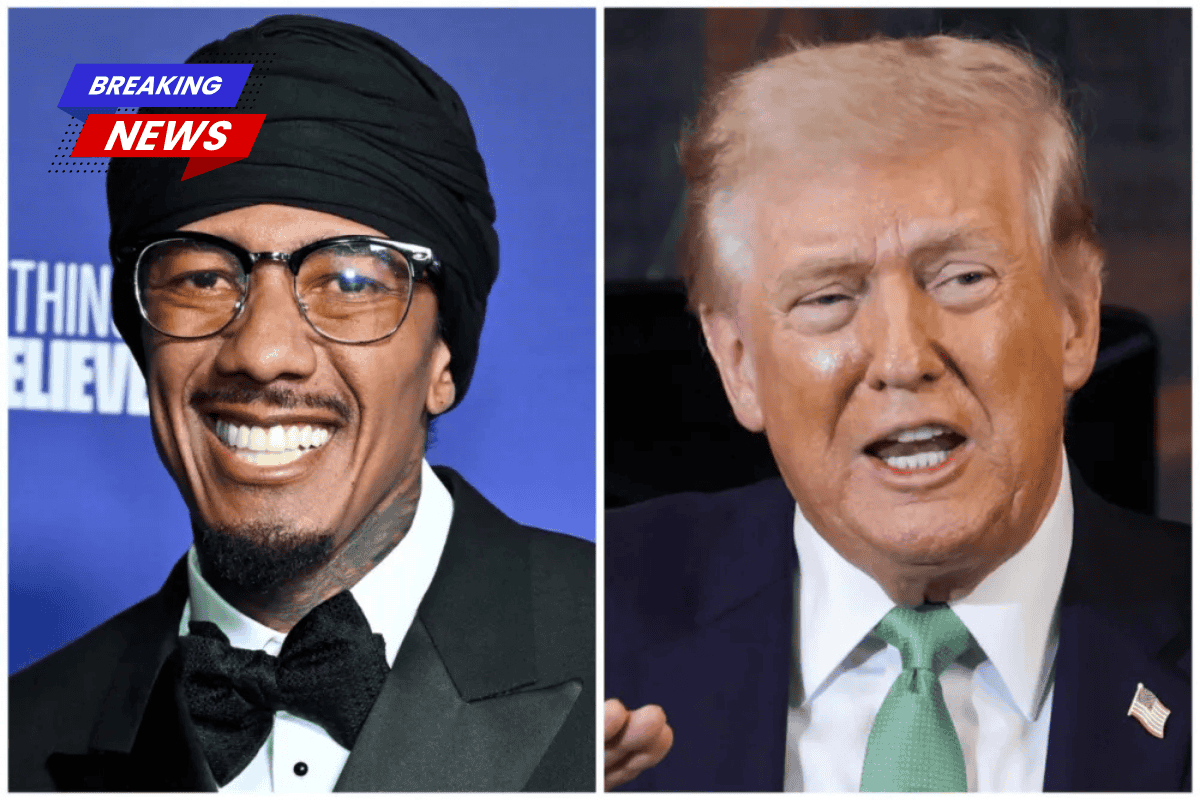
Comments made by Nick Cannon on his show have sparked debate after he shared strong political opinions about U.S. history and political parties. His remarks came during a conversation with model Amber Rose and included claims about both the Democratic and Republican parties.
What Nick Cannon Said
During the discussion, Cannon agreed with his guest’s view that political parties do not equally support people of colour. He went further by claiming that the Democratic Party was historically linked to the Ku Klux Klan (KKK) and that the Republican Party was responsible for freeing enslaved people.
He also said he does not fully support either political party. Instead, he referenced ideas from W. E. B. Du Bois, suggesting that both parties are part of a larger system with similar issues.
Cannon also made comments about Donald Trump, saying that Trump is “doing what he said he was going to do” during his second term.
Understanding the Historical Context
Cannon’s statements touch on real historical events, but the full picture is more complex.
After the Civil War, some early members of the Democratic Party in the southern United States were associated with the rise of the Ku Klux Klan. However, it is not accurate to say that the entire party supported the group, especially when considering how political parties have changed over time.
On the other hand, the Republican Party was founded in the 1850s by anti-slavery activists. Abraham Lincoln, a Republican, issued the Emancipation Proclamation in 1863, which declared freedom for enslaved people in Confederate states.
Later, in 1865, the 13th Amendment to the United States Constitution officially ended slavery across the country.
Why the Topic Is Sensitive
Political history in the United States is complicated, and both major parties have changed significantly over time. Ideas, policies, and voter bases have shifted over decades, making simple comparisons difficult.
Statements like Cannon’s often lead to debate because they highlight only part of the story without full context.
Public Reactions and Ongoing Debate
Comments like these often get strong reactions online and in the media. Some people agree with parts of the historical claims, while others argue that they oversimplify complex issues.
Discussions around political parties, race, and history remain sensitive and continue to be debated widely in the U.S.