Pennsylvania continues to allow right turns on red in most situations, but the 2026 updates tighten where and how drivers may exercise that maneuver to improve pedestrian and cyclist safety and give local authorities clearer tools to restrict turns at specific intersections.
The baseline rule remains: if there is no posted prohibition, a driver may turn right on red only after coming to a complete stop and yielding to pedestrians and cross traffic.
What changed in 2026
The 2026 changes do not create a statewide blanket ban; instead, they formalize a process for PennDOT and local jurisdictions to identify “high‑risk” intersections and install explicit “No Turn On Red” signage or adjust signal timing where necessary.
The update also anticipates wider use of red‑light cameras and targeted enforcement at those locations, and it encourages municipalities to adopt ordinances banning right turns on red at specific problem intersections.
When you may still turn on red
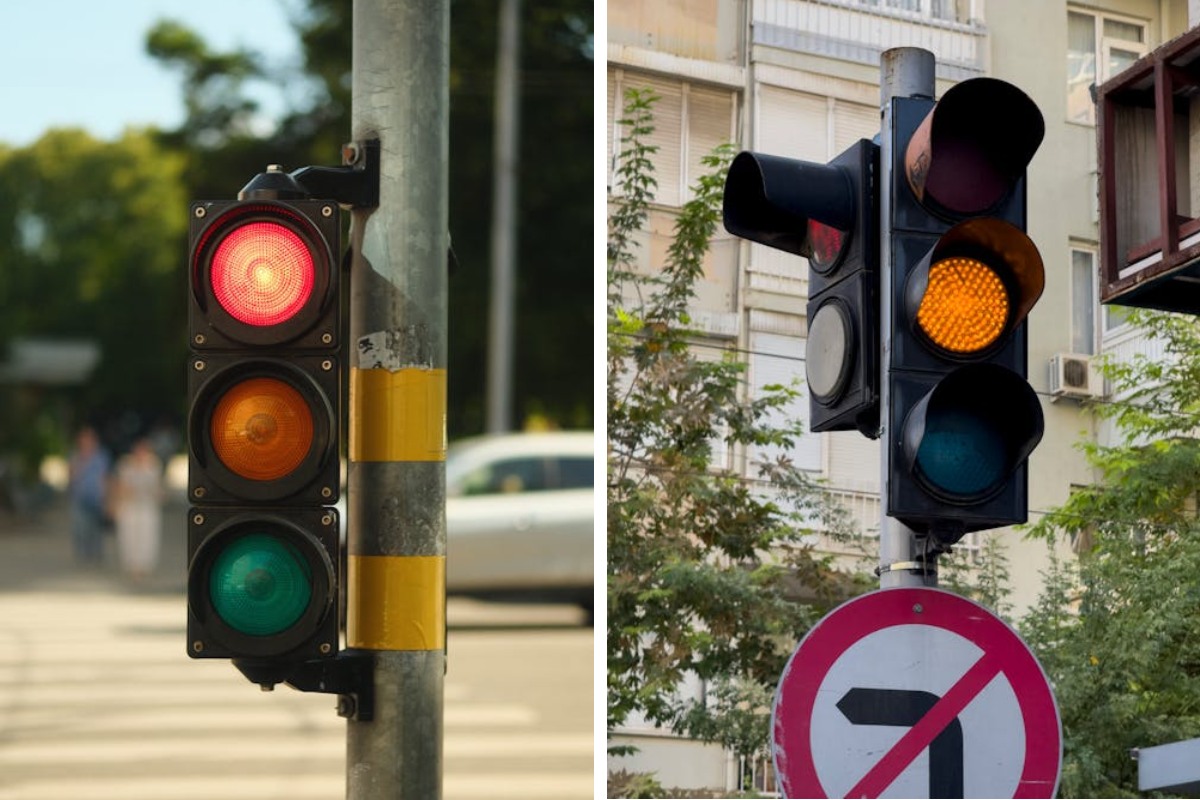
Unless an intersection is posted with a “No Turn On Red” sign or a red arrow controls the movement, drivers may turn right on a steady red after coming to a full stop and ensuring the turn can be made safely.
Drivers must always yield to pedestrians in the crosswalk and to other traffic that has the right of way; failure to stop fully or to yield can result in a traffic citation.
Local exceptions and new enforcement tools
Under the 2026 approach, townships and cities can request PennDOT review of intersections and implement targeted prohibitions or signal changes—examples already include municipal bans at specific junctions where crashes or pedestrian injuries rose.
Enforcement at newly restricted intersections may be supported by automated red‑light camera systems and increased police patrols; early enforcement periods sometimes start with warnings before fines or civil citations are issued.
Why the rule was tightened
Officials cite pedestrian and cyclist safety as the primary reason for focused restrictions. Right turns on red can lead to conflicts with people crossing legally, especially where sightlines are poor or when signal timing leaves little time for pedestrians. Data from several municipalities showed frequent violations and collisions at particular intersections, prompting targeted bans and camera installation.
What drivers should do now
- Look for signage: if you see a “No Turn On Red” sign, do not turn on red; the sign takes precedence.
- Always stop fully: Pennsylvania requires a complete stop before turning on red, and you must yield to pedestrians and oncoming traffic.
- Watch for red arrows: a red arrow prohibiting a right‑turn movement means no turn, even if no “No Turn On Red” sign is posted.
- Expect local variations: some intersections—particularly in urban areas—may prohibit right turns on red even though state law generally permits the maneuver.
Penalties and practical impact
Violations at intersections where right turns on red are prohibited can lead to fines, points, or civil citations if captured by red‑light cameras; some jurisdictions issue warnings during an initial grace period after a new restriction is posted. Beyond legal penalties, drivers who fail to yield and cause harm may face civil liability.
SOURCES:
- https://www.pa.gov/agencies/dmv/driver-services/pennsylvania-drivers-manual/online-drivers-manual/signals
- https://www.dallashartman.com/blog/2021/12/pennsylvania-red-light-laws/