
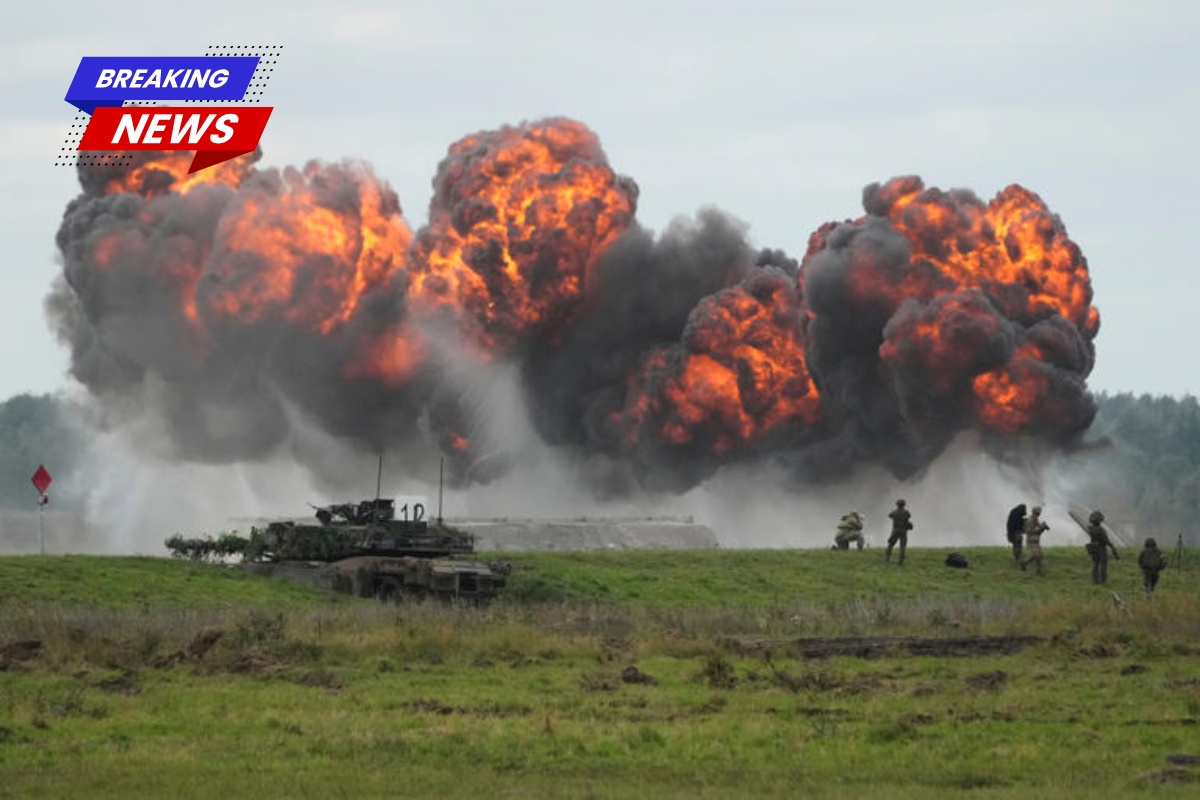
Defense Secretary Pete Hegseth’s sudden decision to halt the deployment of 4,000 American troops to Poland has sparked concern inside the Pentagon and among European allies. The unexpected move reportedly caught military officials and NATO partners off guard, raising fresh questions about the future of America’s military presence in Europe.
The troops, based in Texas, were preparing for a scheduled nine-month deployment to Poland as part of ongoing NATO training and deterrence operations aimed at countering Russia.
Pentagon Officials Reportedly Surprised by Decision
According to defense officials familiar with the matter, the order to cancel the deployment came unexpectedly, even as troops and military equipment had already started arriving in Poland.
Officials said there was confusion inside both the Pentagon and European governments about why the deployment was suddenly stopped. Reports suggest American and allied officials spent hours trying to understand whether more changes to U.S. military plans in Europe could follow.
The Pentagon has denied claims that the move was rushed or poorly planned. Acting Pentagon Press Secretary Joel Valdez said the decision followed a detailed review process involving military leaders and command officials.
However, several reports indicate many officials involved in European defense coordination were still surprised by the timing.
Growing Concerns About NATO and Russia
The canceled deployment has increased anxiety among some NATO allies who fear reducing American troop presence in Europe could weaken deterrence against Russia.
American forces stationed in Eastern Europe have played a major role in reassuring NATO countries since Russia’s invasion of Ukraine. Poland, in particular, has become one of the strongest supporters of NATO defense expansion and increased military cooperation with the United States.
Retired Lieutenant General Ben Hodges, former commander of U.S. Army Europe, warned that the decision could weaken strategic deterrence efforts in the region.
Military analysts say rotational deployments are important because they demonstrate long-term American commitment to defending NATO allies near Russia’s borders.
Trump Administration Pressures European Allies
The troop cancellation comes during a period of growing tension between the Trump administration and several European governments.
President Donald Trump has repeatedly criticized NATO members for relying too heavily on American military support while contributing less themselves. He has also expressed frustration with some European countries over disagreements connected to the Iran conflict.
Although Trump has praised Poland for meeting NATO defense spending targets, his administration has increasingly pushed European nations to take greater responsibility for their own security.
Earlier this month, the Pentagon also announced plans to withdraw around 5,000 troops from Germany. That move followed tensions after German Chancellor Friedrich Merz criticized American actions related to Iran.
Together, the decisions suggest the administration may be moving toward reducing the overall U.S. military footprint in Europe.
Poland Reacts Carefully to Deployment Halt
Polish officials responded cautiously to reports about the canceled deployment.
Deputy Prime Minister Władysław Kosiniak-Kamysz stated that the move was connected to broader American military realignment plans in Europe rather than a direct issue involving Poland itself.
Poland remains one of NATO’s strongest military supporters and is expected to spend approximately 4.7% of its GDP on defense this year, the highest level among NATO countries.
Public support for an American military presence in Poland also remains high compared to many other European nations.
Some Polish leaders expressed hope that rotational troop deployments could eventually be replaced with more permanent American military installations.
NATO Allies Monitor U.S. Military Strategy
The Pentagon recently completed a broader review of American troop deployments worldwide, although officials have not publicly released the findings.
While defense officials reportedly say the review does not recommend a massive withdrawal from Europe, recent strategy documents emphasize shifting military resources toward other global priorities while encouraging European countries to handle more of their own security responsibilities.
NATO officials attempted to reassure allies by noting that rotational deployments are only one part of the alliance’s broader defense structure.
Officials also pointed out that countries such as Germany, France, and Canada are increasing troop contributions to NATO’s eastern flank.
Debate Over Europe’s Security Future Continues
The sudden troop cancellation has fueled debate about the future of NATO and Europe’s long-term security planning.
Supporters of maintaining strong American troop levels argue that visible U.S. military presence remains critical for deterring Russian aggression and preserving alliance unity.
Others believe European nations should become less dependent on the United States and invest more heavily in their own defense systems and military readiness.
The issue has become increasingly important as tensions with Russia, instability in the Middle East, and growing global security competition continue reshaping international defense policies.






