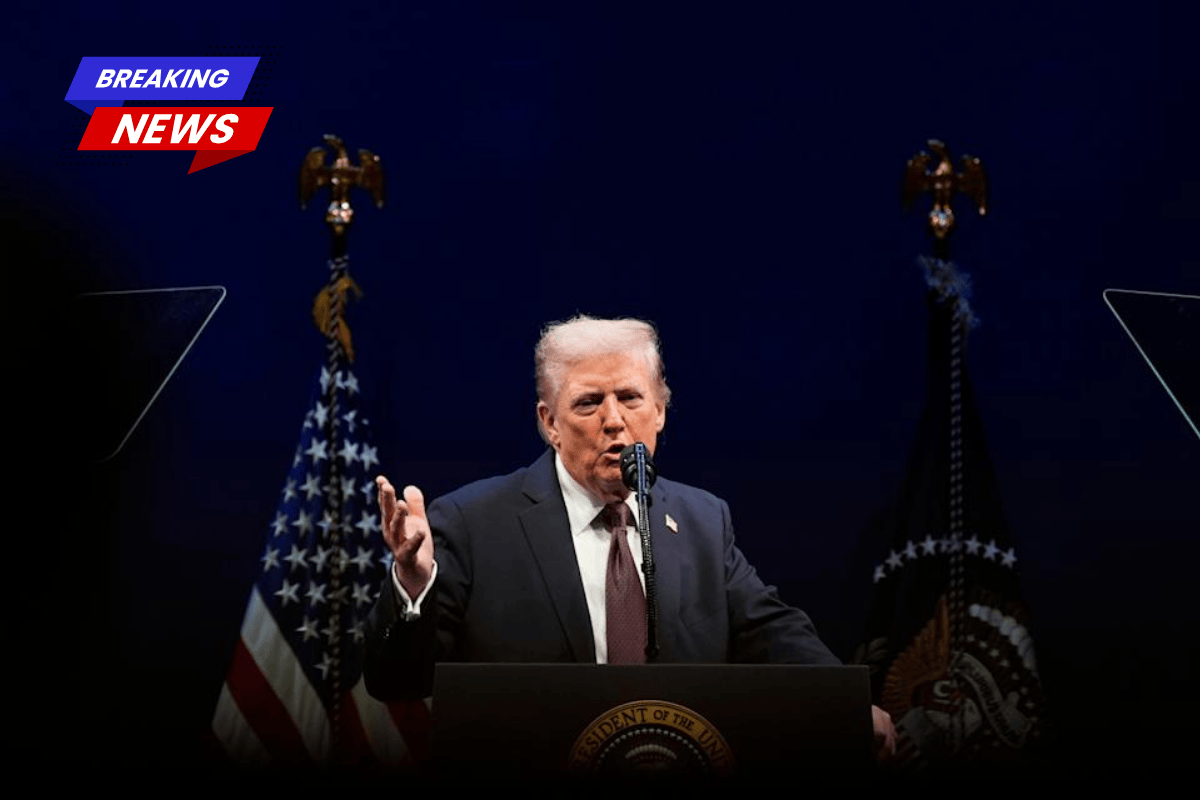
A fresh controversy has emerged around U.S. trade policy after comments by Donald Trump regarding companies that may choose not to claim tariff refunds. The situation comes after a major court ruling and has added another layer of debate over business decisions, government policy, and economic strategy.
Trump’s Warning to Companies
During an interview, Trump said he would “remember” companies that decide not to seek refunds on tariffs that were recently ruled unlawful.
He suggested that if companies like Amazon and Apple choose not to request refunds, it would be a positive move in his view. At the same time, his remark has raised questions about whether businesses could face pressure based on their decisions.
Background: Supreme Court Ruling on Tariffs
The issue started after the U.S. Supreme Court ruled against the use of the International Emergency Economic Powers Act to impose certain tariffs.
The court made it clear that this law does not give the president full authority to introduce wide-ranging tariffs. This decision opened the door for businesses to request refunds on duties they had already paid.
Refund Process Begins
Following the ruling, U.S. Customs and Border Protection launched an online portal where importers can apply for refunds.
The total amount of refunds could exceed $160 billion, making it one of the largest repayment efforts in U.S. history. However, the process is still complex, and many companies are unsure about how it will unfold.
Companies Take Legal Steps
Several major companies, including Costco Wholesale and FedEx, have filed lawsuits in the Court of International Trade.
These legal actions are meant to protect their right to claim refunds in case there are further legal challenges or delays from the government.
How Refunds May Reach Customers
United Parcel Service (UPS) has already shared its plan. The company said it will pass any refunded money back to customers who originally paid those tariffs through its services.
UPS also clarified that customers do not need to take any action, as refunds will be processed automatically once the funds are received.
New Tariff Plans in Progress
Despite the court ruling, Trump indicated that his administration is working on new ways to bring back tariff revenue.
He mentioned a temporary 10% tariff that is currently in place and is expected to last until July. According to him, alternative methods are being explored to maintain or even increase tariff collections in the future.
Uncertainty Continues for Businesses
Even with the refund portal now open, many companies are still unsure about the process. The situation involves legal challenges, changing policies, and large financial stakes.
Businesses must now decide whether to claim refunds, wait for clarity, or take legal action to secure their position.