
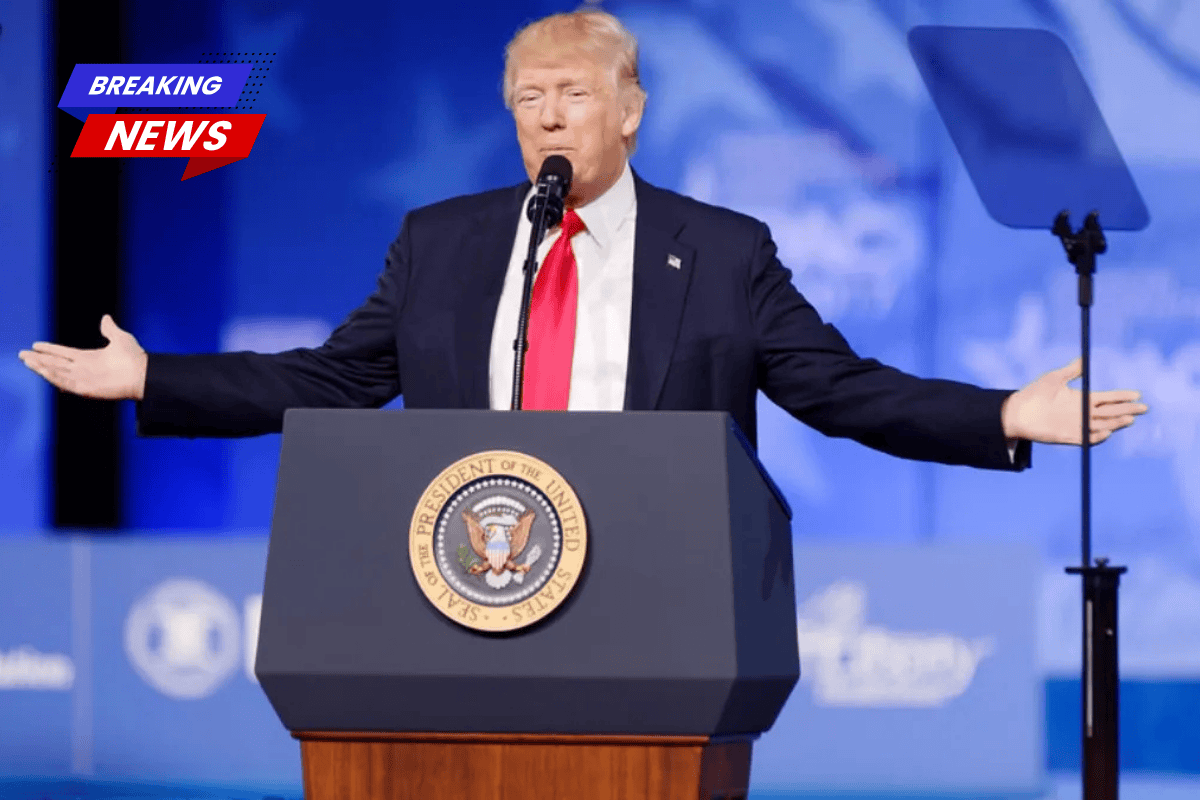
The U.S. has deployed 4,500 Marines and sailors to the Middle East in response to escalating tensions in the region. The deployment comes after President Donald Trump issued a strong warning on Truth Social, threatening to “hit and obliterate” Iran’s power plants if the Strait of Hormuz is not “FULLY OPEN, WITHOUT THREAT” within 48 hours.
Iran has already responded with threats of “naval surprises” upon the arrival of American forces.
U.S. Deployment and Mission Details
The deployment includes an infantry battalion landing team supported by helicopters, F-35 fighter jets, and armored landing vehicles. The Pentagon fast-tracked the 11th Marine Expeditionary Unit from San Diego, readying for a critical mission.
According to an anonymous Israeli official, the Marines are not simply a show of force, and they are believed to be heading to Kharg Island, Iran’s main oil export hub, with the potential goal of securing the Strait of Hormuz.
Securing Kharg Island would cut off Iran’s crucial oil revenue and offer President Trump a potential route to de-escalate the conflict while maintaining control over the strategic strait. With earlier ambitions of overthrowing Iran’s regime or halting its nuclear program seeming less likely, control of the Strait of Hormuz has become the primary objective for U.S. forces.
Iranian Response and Threats
Iran has launched retaliatory ballistic missile attacks on southern Israeli towns, including Dimona, near a nuclear research facility, injuring at least 115 people. Iranian state television confirmed the strikes were in retaliation for an alleged attack on Iran’s Natanz nuclear site.
The Iranian government has also warned of potential strikes on U.S.-linked energy infrastructure, IT systems, and water desalination facilities in the Persian Gulf if Iranian assets are targeted.
Iran’s Revolutionary Guard Corps (IRGC) has vowed to deliver “naval surprises” to U.S. Marines once they arrive in the region, escalating the stakes of the confrontation.
Congressional Concerns and Military Strategy
Several U.S. senators have raised concerns about the implications of sending ground troops to the Middle East. Senator Lisa Murkowski expressed alarm, noting that deploying ground troops would escalate the conflict to “a completely different level” and called for more clarity from the administration on the U.S. objective. Senator Thom Tillis also voiced concerns about the lack of transparency surrounding the mission.
Senator Lindsey Graham, however, supported the administration’s approach, encouraging President Trump to take decisive action: “Take Kharg Island… Control that island. Let this regime die on a vine.” This comment reflects a growing belief among some lawmakers that securing the strait and disrupting Iran’s oil exports may be key to resolving the situation.
Gulf States’ Reaction and Strategic Importance
The situation has strained relations with Gulf states, with mounting impatience from leaders in the region. UAE political science professor Abdulkhaleq Abdulla called the Strait of Hormuz an “international waterway” and urged the world to reclaim it from Iranian control.
Saudi Foreign Minister Prince Faisal bin Farhan Al Saud warned that Saudi Arabia’s “patience… is not unlimited” and demanded the expulsion of Iranian military attachés from the country.
In response to President Trump’s threats, Iran’s Mehr news agency published a map of regional power plants and warned Gulf states to “say goodbye to electricity.” Iran has also suggested that certain countries could still pass through the strait under specific conditions, but its overall intentions remain unclear.
The Road Ahead: A Dangerous and Lengthy Mission
Securing the Strait of Hormuz will not be an easy task for U.S. forces. Iran has used both conventional weapons and asymmetrical tactics to challenge shipping traffic in the strait. While U.S. forces have already targeted Iranian missile sites and smaller vessels, tanker traffic has yet to fully resume.
An operation to restore commercial traffic through the strait could take weeks, with U.S. forces facing significant obstacles, including coastal defenses, submerged mines, and drone attacks.
Continued Death Toll and Political Instability in Iran
As tensions rise, the humanitarian crisis continues. Iran’s Health Ministry has reported over 1,500 deaths, including 208 children, while in Lebanon, Israeli airstrikes have killed at least 1,029 people since March 2.
Despite the deaths of key Iranian leaders, including Ayatollah Ali Khamenei, the IRGC remains a powerful force, with the new supreme leader, Mojtaba Khamenei, consolidating power. The political instability in Iran only adds to the uncertainty surrounding the region’s future.






