A major global development has raised concerns about maritime security and energy supply after a U.S.-led naval blockade in a key shipping route was reportedly breached within hours.
US Blockade in the Strait of Hormuz
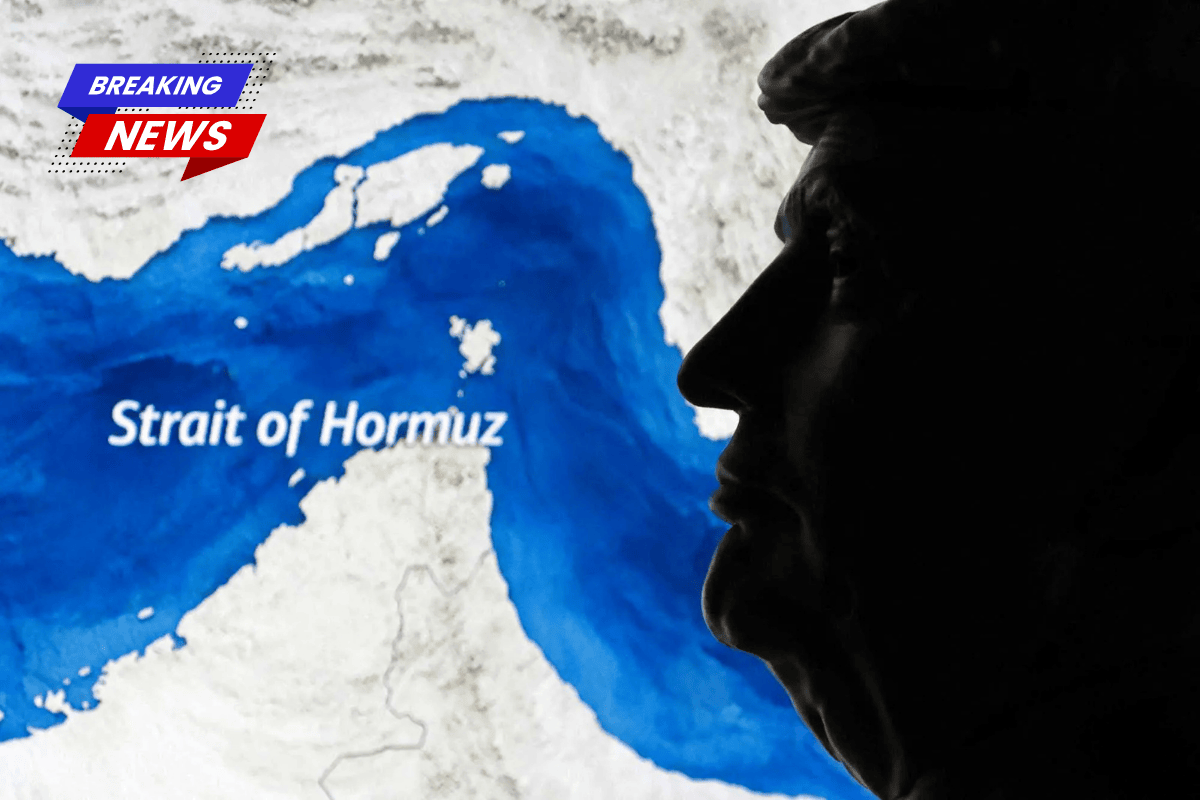
The Strait of Hormuz—one of the world’s most important oil transit routes—became the focus of rising tensions after Donald Trump ordered a U.S. naval blockade.
The directive instructed the United States Navy to monitor and potentially stop vessels linked to Iran, especially those paying tolls to Iranian authorities.
Officials stated that the blockade would apply to all vessels entering or leaving Iranian ports.
Reports of Blockade Breach
Despite the announcement, reports from BBC and other outlets suggested that at least four Iran-linked vessels crossed the strait without any confrontation.
Ship tracking data indicated that two vessels passed through on Monday and two more overnight. Among them were tankers reportedly under U.S. sanctions.
This raised questions about how effectively the blockade was being enforced.
Vessels and Tracking Concerns
One of the ships mentioned was the “Rich Starry,” a tanker linked to China and previously sanctioned by the United States. Another vessel, “Elpis,” was also tracked moving through the area.
However, experts noted that such tracking data might not always be fully reliable. Ships sometimes use a method called spoofing, where they send false location signals to hide their actual position.
Because of this, it is not fully confirmed whether the vessels physically crossed the blockade without detection or if the data was manipulated.
International Reaction
The situation has drawn criticism from global leaders. Xi Jinping reportedly called the blockade “dangerous and irresponsible,” warning against actions that could increase global instability.
The Strait of Hormuz is a critical route for global oil shipments, and any disruption can have a direct impact on energy prices worldwide.
Expert Concerns
Energy and policy experts have also raised concerns about the long-term effects of such actions.
Karen Young from Columbia University noted that the blockade could worsen global oil shortages and increase tensions in an already sensitive region.
What This Means Globally
The situation highlights the complexity of enforcing maritime restrictions in international waters. It also shows how quickly geopolitical decisions can affect global trade and energy markets.