
Tensions are continuing to rise in Washington as Senate Republicans once again blocked Democratic efforts to stop President Donald Trump’s ongoing war with Iran. However, the latest Senate vote showed growing concern among some Republican lawmakers, with more members of the party openly questioning the conflict and Congress’ role in approving military action.
Although the war powers resolution failed to pass, Democrats say the close vote reflects increasing political pressure surrounding the conflict and concerns about how long the United States could remain involved without formal congressional approval.
Senate Blocks Resolution to Halt Iran War
The Senate voted 49-50 on Wednesday against advancing Democratic legislation aimed at stopping President Donald Trump’s military campaign involving Iran.
The proposal was part of an ongoing effort led by Tim Kaine and other Democrats to force repeated Senate votes related to war powers and military authorization.
The resolution failed to move forward, but several Republicans joined Democrats in opposing the war.
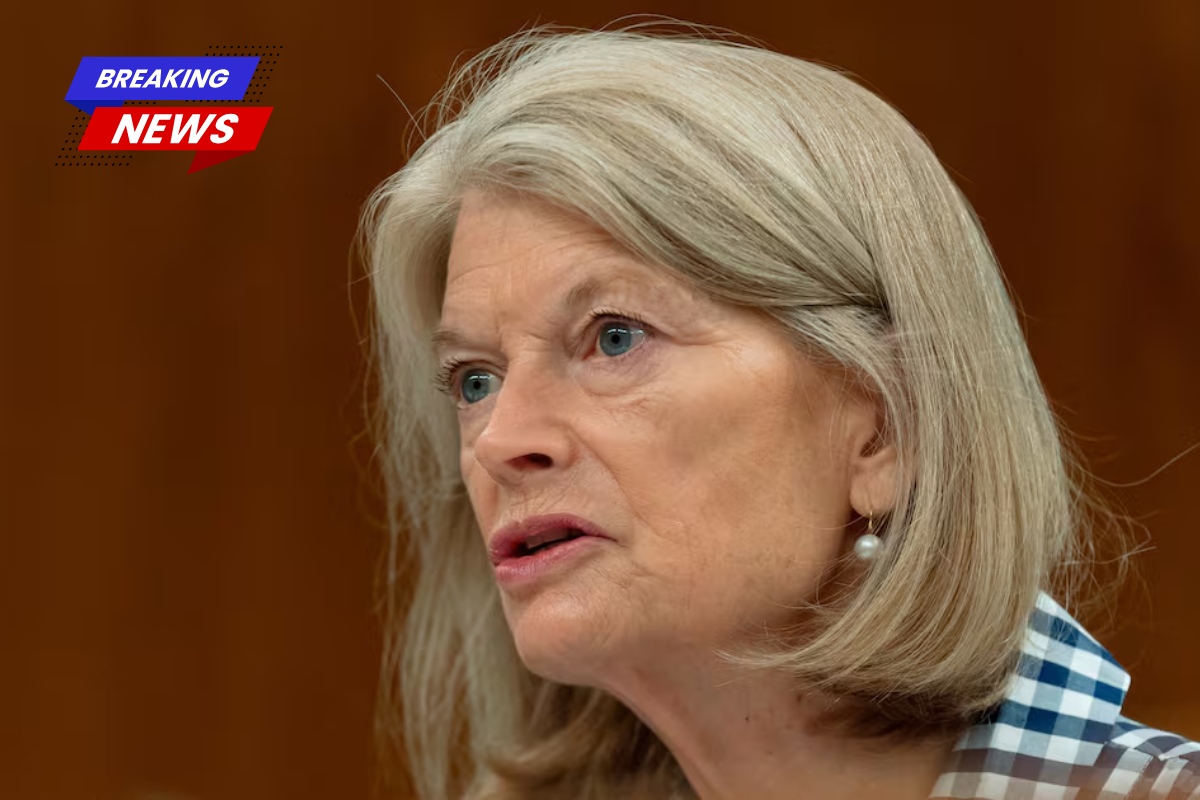
Among them was Lisa Murkowski, who voted against the war for the first time since the conflict reportedly began earlier this year.
Susan Collins and Rand Paul also voted against the military action again.
Meanwhile, John Fetterman was the only Democrat who voted against the resolution.
Democrats Push for Congressional Approval
Democratic lawmakers argue that Congress should have the constitutional authority to approve or reject extended military action.
Senator Tim Kaine warned before the vote that lawmakers may soon directly challenge the president over continuing the war.
Democrats say the repeated votes are designed to increase political pressure on the White House and push the administration either to end the conflict or formally seek authorization from Congress.
Even if a war powers resolution were to pass the Senate, it would still face major obstacles in the House of Representatives and would likely be vetoed by President Trump.
Still, Democrats believe the issue is becoming increasingly important as public concerns about the war continue to grow.
White House Says Authorization Is Not Needed
The White House has argued that the administration does not need additional congressional approval for the military campaign.
Officials reportedly claim that hostilities with Iran have effectively ended because the United States entered into a ceasefire arrangement.
However, some lawmakers remain skeptical about that explanation.
Under the War Powers Resolution of 1973, presidents are generally required to obtain authorization from Congress after 60 days of continued military involvement.
During a recent Senate hearing, Defense Secretary Pete Hegseth reportedly stated that the administration believes it already has the authority necessary to launch additional military action if needed.
Senator Lisa Murkowski questioned that position, pointing to ongoing troop deployments and military activity in the region.
Republicans Show Growing Unease
While Republican leadership continues publicly supporting the war effort, signs of concern within the party are becoming more visible.
John Barrasso defended the administration’s strategy, arguing that economic pressure on Iran has weakened the country’s leadership and economy.
At the same time, several Republican lawmakers have reportedly expressed concerns about rising gas prices and possible political fallout ahead of upcoming elections.
Mike Rounds suggested both Congress and the White House should work together to resolve constitutional questions surrounding war powers rather than relying solely on court battles or repeated Senate votes.
Democrats, however, say they plan to continue forcing weekly votes on the issue while also seeking limits on presidential military authority through future defense funding legislation.
Political Pressure Expected to Continue
Democratic Senator Jeff Merkley said he believes support for the war is slowly weakening among Republicans.
According to Merkley, there appears to be increasing skepticism and less enthusiasm within the Republican Party regarding the ongoing military conflict.
The debate surrounding the Iran war has now become one of the biggest political and constitutional battles in Washington, especially over questions involving presidential authority and Congress’ role in military decisions.
While Republican leaders continue backing President Trump’s actions publicly, growing concern among some lawmakers suggests the issue may become even more divisive in the coming weeks. As Democrats continue pushing for congressional oversight and additional votes, the political fight over the future of the conflict appears far from over.






