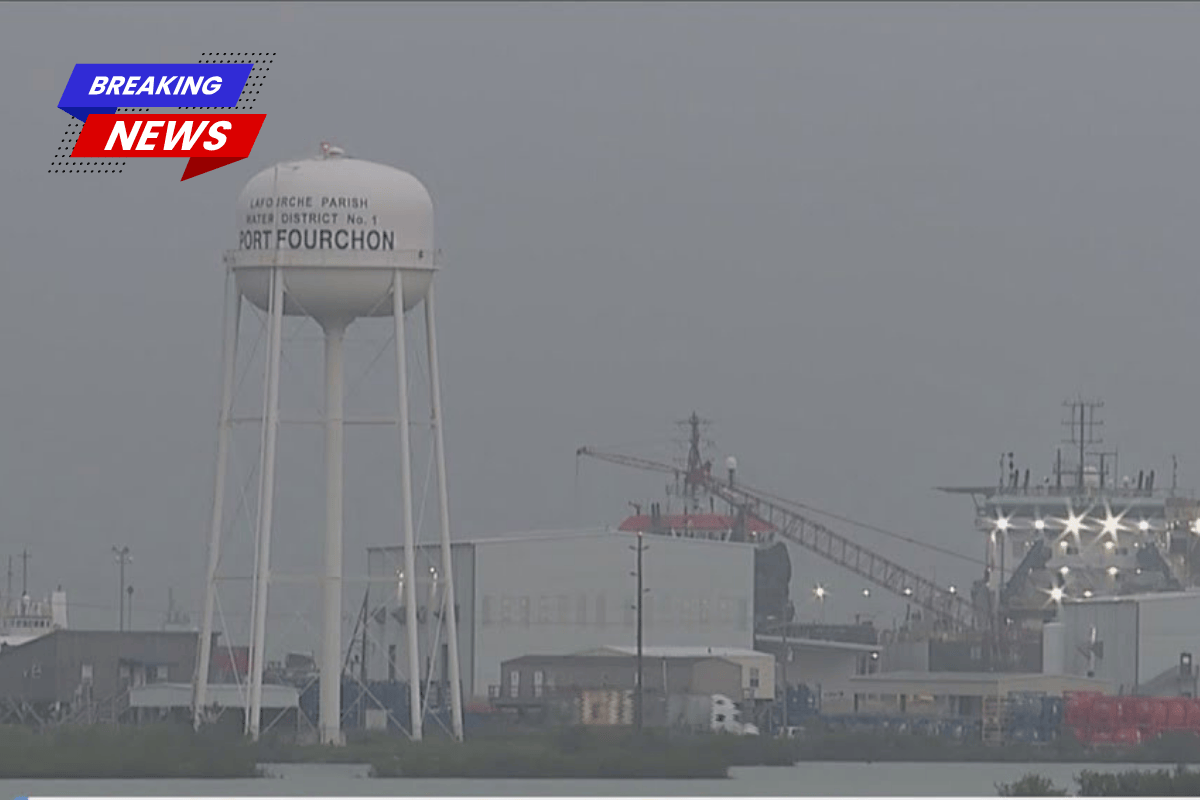
Following an offshore oil spill near Port Fourchon, Louisiana, officials reported that 655 barrels of crude oil have been recovered as of Tuesday, March 17, 2026, according to the Unified Command overseeing the response.
What Happened in the Spill
The spill occurred on February 26, 2026, near the Louisiana Offshore Oil Port (LOOP) when an offshore mechanical failure caused an estimated 750 barrels (about 31,500 gallons) of crude oil to leak into the Gulf of Mexico.
Once identified, the leak was secured quickly, and cleanup efforts began soon after. As of March 17, response teams have recovered 655 barrels of spilled oil, and operations are ongoing to collect remaining oil and protect coastal waters.
Massive Cleanup Effort under Unified Command
The cleanup effort is being led by a Unified Command that includes the U.S. Coast Guard, the Louisiana Oil Spill Coordinator’s Office, and LOOP representatives.
- 667 responders have been deployed.
- 114 vessels are engaged in cleanup operations.
- Containment booms are holding and collecting oil on water.
Lafourche Parish President Mitch Orgeron praised the response efforts and stressed the importance of protecting fishermen and the local environment, saying LOOP has a responsibility to the community.
Local Impact and Environmental Concerns
Officials say the spill has had no major impacts on Lafourche Parish land, aside from tar balls offshore.
However, the issue has raised concerns among seafood workers and oyster farmers in nearby coastal areas. Some oyster harvesting zones in coastal Louisiana were temporarily closed “out of an abundance of caution” due to reports of oil sheen and cleanup marine traffic.
Seafood industry workers—especially in Terrebonne Parish—fear economic effects from the spill and the uncertainty it brings to markets and seafood demand.
Environmental Monitoring and Safety
State and federal officials are continuing to monitor the environmental conditions near Port Fourchon to ensure local waters meet safety standards before lifting closures on shellfish harvesting areas.
Residents and mariners are also encouraged to report sightings of impacted wildlife or oil as cleanup continues.