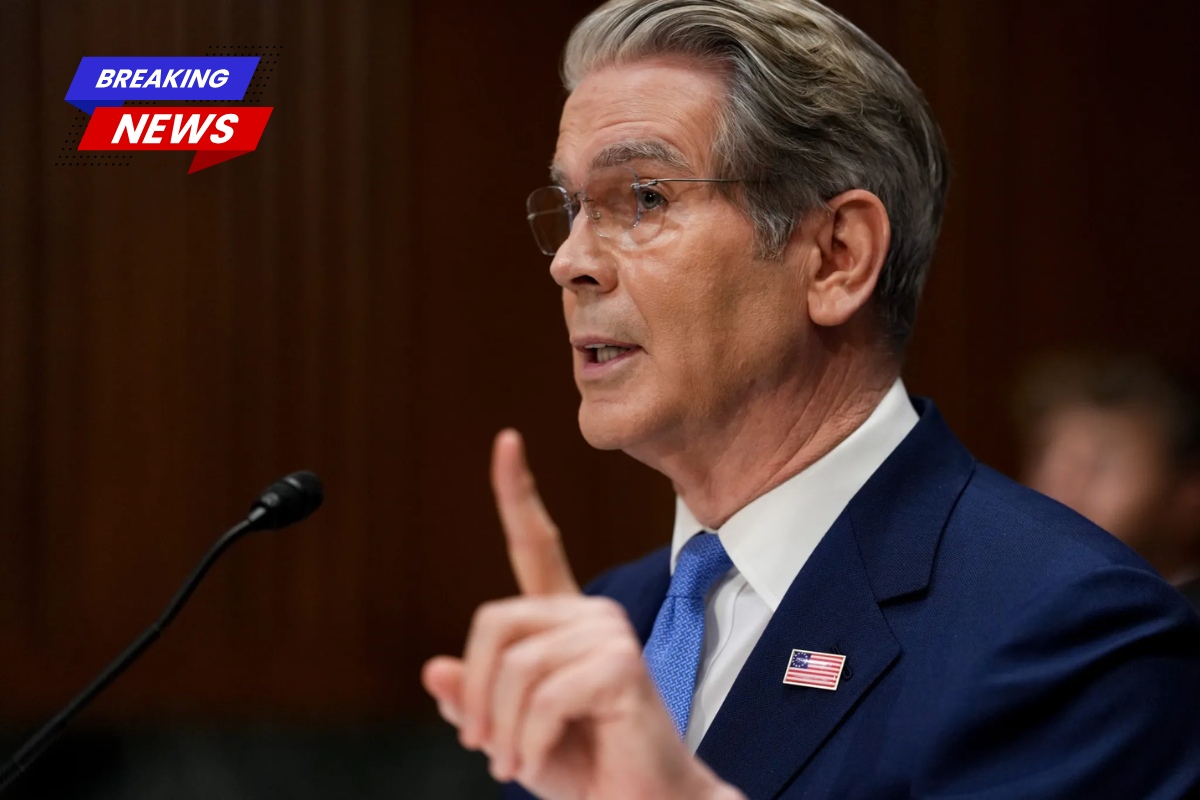
The U.S. Senate has confirmed former Federal Reserve Governor Kevin Warsh as the new chair of the Federal Reserve, placing him in one of the world’s most powerful economic leadership positions. His appointment comes at a time of economic uncertainty, rising inflation concerns, and growing debate over the independence of the U.S. central bank.
Warsh’s confirmation is expected to shape the future direction of interest rates, inflation policy, and how the Federal Reserve communicates with financial markets in the coming years.
Senate Confirms Kevin Warsh as Federal Reserve Chair
The Senate voted 54-45 on May 13 to confirm Kevin Warsh as the new chair of the Federal Reserve.
Warsh was nominated by Donald Trump and received support from nearly all Republican senators.
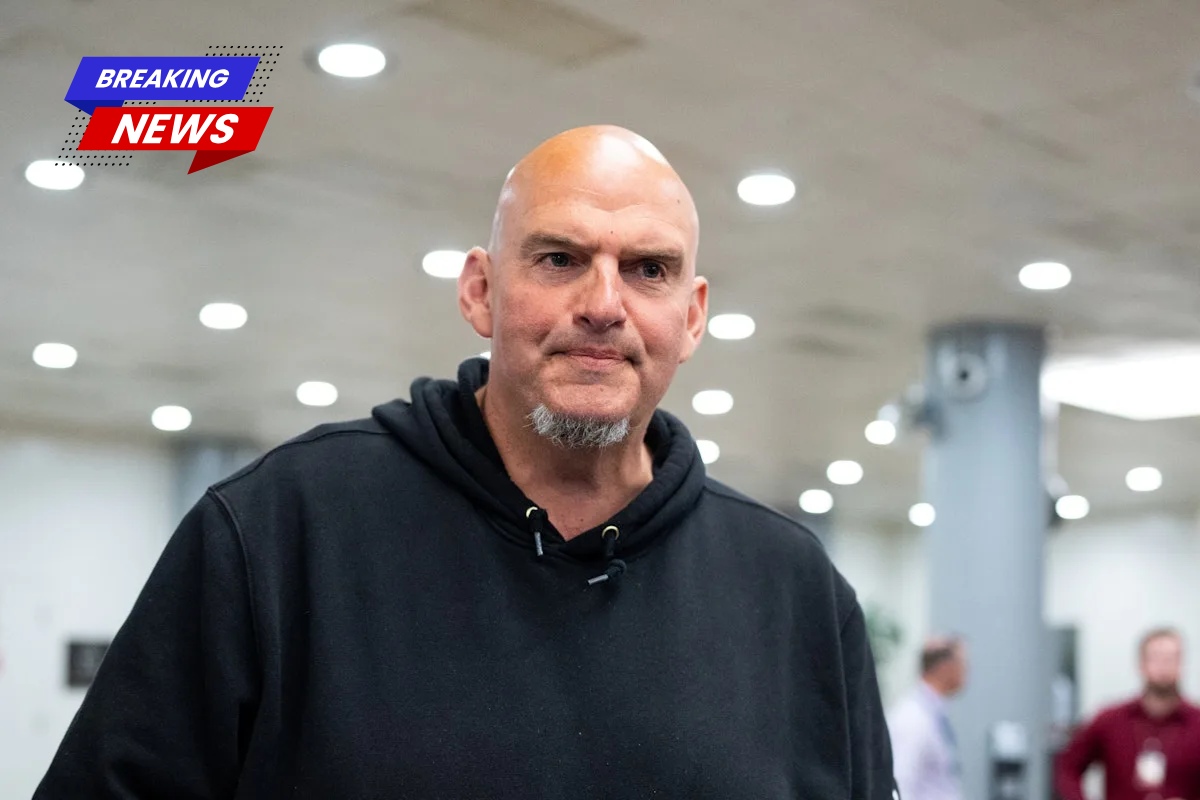
John Fetterman was the only Democrat who voted alongside Republicans in favour of Warsh’s confirmation.
Just one day earlier, the Senate also approved Warsh for a new 14-year term on the Federal Reserve’s Board of Governors.
Warsh previously served on the board from 2006 to 2011 and now returns to lead the central bank during a period of economic and political tension.
Concerns About Federal Reserve Independence
Warsh’s appointment arrives amid ongoing concerns about the independence of the Federal Reserve from political influence.
President Trump has repeatedly criticised outgoing Fed Chair Jerome Powell in recent years, especially over interest rate decisions.
Some lawmakers and financial experts have expressed concerns that political pressure from the White House could affect future monetary policy decisions.
During his Senate confirmation hearing, Warsh defended the importance of central bank independence but stated that independence must be earned through strong economic performance and public trust.
He also criticised the Federal Reserve’s handling of inflation during and after the COVID-19 pandemic, saying the institution failed to maintain price stability for American families.
Despite Trump’s public support for lower interest rates, Warsh insisted the president never asked him to guarantee future rate cuts.
Warsh Faces Major Economic Challenges
Warsh takes over leadership of the Federal Reserve while policymakers remain divided over how to handle inflation and economic growth.
The U.S. economy is currently facing pressure from rising prices linked to the Iran war, along with a slowing job market in many industries outside sectors such as healthcare.
As Federal Reserve chair, Warsh will also lead the Federal Open Market Committee, commonly known as the FOMC, which decides whether interest rates should rise or fall.
Although he will chair the committee, Warsh still holds only one vote among the 12 voting members responsible for setting rates.
Analysts say one of his biggest challenges will be building agreement among committee members who may disagree on future economic policy.
Possible Shift in Federal Reserve Strategy
Financial analysts believe Warsh may take a different approach compared to Jerome Powell’s leadership style.
According to market strategist Christian Floro, Warsh appears more open to lower interest rates than he was following the 2008 financial crisis.
Floro noted that Warsh has shown interest in how artificial intelligence and productivity growth could affect inflation and the economy.
Warsh has also reportedly suggested the Federal Reserve should rethink how it communicates with the public and financial markets.
Experts say he may favour reducing the size of the Fed’s balance sheet and changing how the institution uses forward guidance to signal future policy decisions.
Some analysts believe these changes could create a steeper yield curve, where short-term rates decline while long-term yields rise.
Jerome Powell Plans To Remain on Board
Although Kevin Warsh will now lead the Federal Reserve, Jerome Powell is expected to remain on the Board of Governors for some time.
Powell’s official term on the board does not expire until January 2028.
During his final press conference as chair following the Federal Reserve’s April 29 meeting, Powell congratulated Warsh and said he planned to maintain a low public profile moving forward.
Powell also acknowledged that once Warsh is officially sworn in, he will become both chair of the Federal Reserve Board and leader of the FOMC.
The confirmation of Kevin Warsh marks a major turning point for the Federal Reserve and the future of U.S. economic policy. With inflation concerns, political scrutiny, and global instability continuing to shape financial markets, Warsh’s leadership will likely face intense attention from investors, lawmakers, and economists worldwide.
As he begins his term, many experts will closely watch how his policies differ from the Powell era and whether the Federal Reserve can maintain both economic stability and public confidence during a challenging period for the global economy.