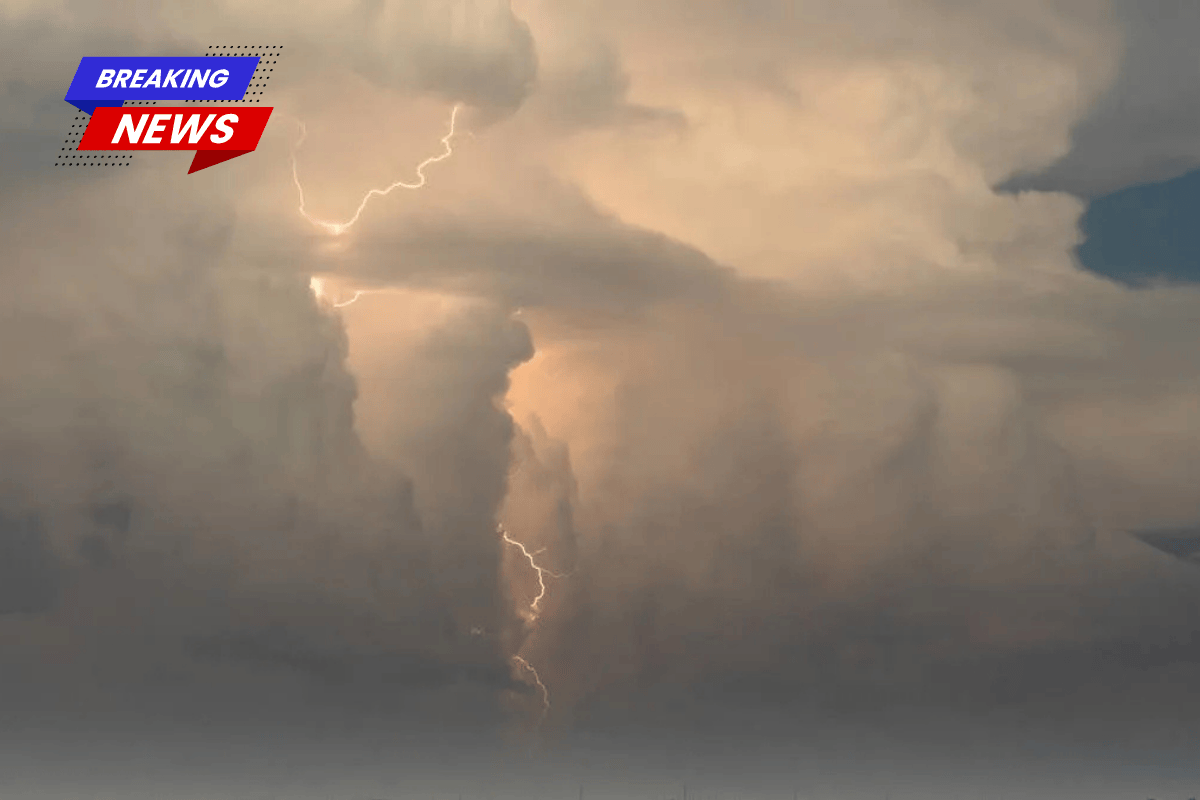
Severe weather is expected to impact large parts of the central United States over the next few days, with forecasters warning about strong storms, large hail, and possible tornadoes. The changing conditions have put several states on alert as multiple rounds of storms are predicted.
Severe Storms Expected on Thursday
Starting Thursday, parts of the Plains and nearby regions are likely to experience intense thunderstorms. The National Weather Service has warned that several states could be affected.
The areas at risk include Minnesota, Iowa, Nebraska, Kansas, Missouri, and Oklahoma. Weather experts say these storms could bring large to very large hail, strong winds, and even a few tornadoes in some places.
Major Cities in Risk Zone
Several major cities fall within the expected storm path. These include:
- Kansas City, Missouri
- Wichita, Kansas
- Omaha, Nebraska
- Lincoln, Nebraska
- Des Moines, Iowa
Residents in these areas are advised to stay alert and keep track of weather updates, as conditions could change quickly.
Storm Threat Continues Into Weekend
The severe weather is not expected to end after Thursday. Forecasts suggest that more storms will develop and spread over the weekend.
According to Weather.com, Friday’s storms are likely to focus on areas from northeast Texas into the Ozarks. Some storm activity may also reach parts of the mid-Mississippi and Ohio Valleys.
By the weekend, the main threat is expected to shift back toward the Plains, covering regions from Texas to Oklahoma and Kansas, and extending into nearby areas.
More Storms Possible Next Week
The unsettled weather pattern may continue into early next week. On Monday, additional storms are possible in the lower Mississippi and Tennessee Valleys.
Forecasters say these storms could bring a mix of dangerous conditions, including:
- Large hail
- Strong and damaging winds
- A few tornadoes
- Heavy rain that may cause local flooding
Stay Prepared and Alert
Weather officials are advising people in affected areas to stay prepared. This includes monitoring local forecasts, having emergency plans ready, and being aware of safety measures in case severe weather strikes.