Federal workplace policies are facing major changes after a series of decisions involving telework rules and union rights across several agencies. A recent arbitration ruling ordered the Social Security Administration to restore telework for many employees, while other federal agencies are moving in the opposite direction by rolling back collective bargaining agreements.
Social Security Ordered to Restore Telework for Employees
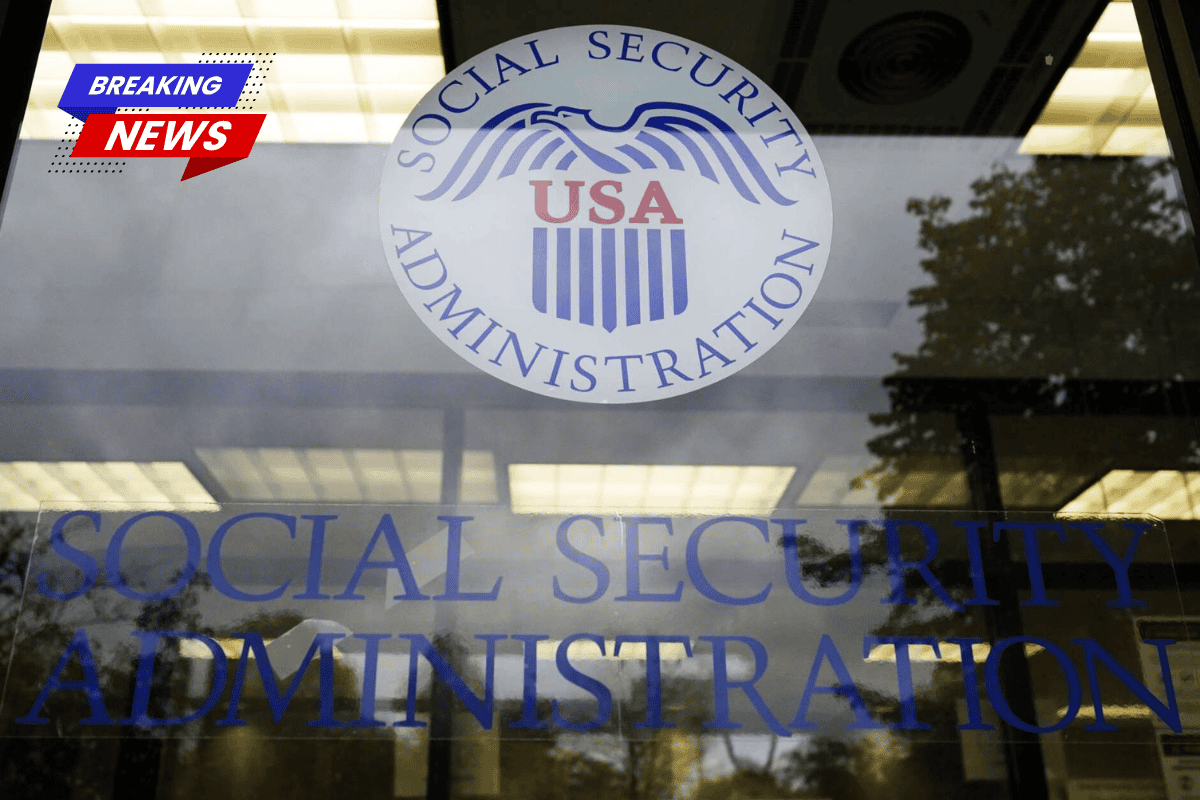
A third-party arbitrator has ordered the Social Security Administration to restore telework for many employees represented by the American Federation of Government Employees.
The ruling requires SSA to return telework policies to the levels that existed before March 2025. At that time, many employees were allowed to work remotely about two days per week.
Arbitrator Sarah Miller Espinosa determined that SSA violated its 2019 National Agreement with the union when it indefinitely suspended telework for bargaining unit employees.
According to the ruling, forcing employees to return to full-time office work without a clear end date went against the agreement between the agency and the union.
Espinosa wrote that the agency’s decision amounted to a clear breach of the collective bargaining agreement.
Telework Suspension Sparked Dispute
The dispute began after President Donald Trump issued a directive early in his second term requiring federal employees to return to in-person work full-time.
SSA leadership responded by suspending telework for many workers.
Although the agency originally told union officials the pause would last about 90 days, the suspension continued indefinitely.
Union officials argued that the open-ended policy effectively eliminated telework for thousands of workers.
The arbitrator agreed, stating that the agency’s interpretation of a “temporary suspension” was unreasonable.
SSA Plans to Appeal the Decision
Despite the ruling, the change will not take effect immediately.
The Social Security Administration said it strongly disagrees with the decision and plans to appeal it to the Federal Labor Relations Authority.
SSA officials argue that returning employees to offices has improved the agency’s performance and customer service.
According to the agency, in-person work helped reduce backlogs, improve appointment wait times, and increase staff availability at field offices.
Workers Say Telework Is Critical
Union leaders say telework has been important for employees, especially given rising commuting and childcare costs.
The American Federation of Government Employees said restoring telework will help workers maintain flexibility and reduce financial strain.
The union also argues that remote work helps the agency retain employees.
A recent Government Accountability Office report warned that removing telework options could worsen staff shortages at SSA.
The report found that some employees are considering leaving for jobs that offer more flexible work arrangements.
The agency reportedly lost more than 7,000 employees last year.
EPA Cancels Collective Bargaining Agreement
At the same time, the Environmental Protection Agency has taken steps to rescind its collective bargaining agreement with the National Treasury Employees Union.
EPA officials said the decision is part of efforts to comply with a 2025 executive order issued by President Trump.
The order expanded the number of federal agencies excluded from collective bargaining if their work is considered related to national security.
Union leaders argue the agency cannot legally terminate the agreement and say the matter remains under legal review.
The National Treasury Employees Union has filed a lawsuit challenging the executive order.
NASA Moves to End Union Eligibility
NASA has also begun removing collective bargaining rights for some of its employees.
In internal communications, the agency informed workers that their personnel records were updated to indicate they are no longer eligible for union representation.
This action is also tied to the same executive order affecting several federal agencies.
However, the policy remains part of an ongoing legal dispute.
A federal judge previously blocked enforcement of the order, but an appeals court later allowed the policy changes to move forward while the case continues.
Ongoing Legal Battles Over Federal Labor Rights
Labor unions representing federal employees say the changes could significantly weaken worker protections and negotiating power.
Several organizations have filed lawsuits challenging the administration’s efforts to limit collective bargaining across government agencies.
Union leaders say the cases could determine the future of labor rights for federal employees.
For now, agencies such as the Social Security Administration, EPA, and NASA remain at the center of a broader national debate over telework policies and the role of unions in the federal workforce.
FAQ
Q1. Why was Social Security ordered to restore telework?
An arbitrator ruled that the Social Security Administration violated its labor agreement with the American Federation of Government Employees when it indefinitely suspended telework.
Q2. How much telework did SSA employees previously have?
Before the suspension in 2025, many employees were allowed to work remotely about two days per week.
Q3. Will telework return immediately for SSA workers?
No. The agency plans to appeal the ruling, so the decision may be delayed.
Q4. Why did the EPA rescind its union contract?
The Environmental Protection Agency said the move was made to comply with a 2025 executive order expanding exemptions from collective bargaining for certain federal agencies.
Q5. What changes is NASA making to union representation?
NASA has informed some employees they are no longer eligible for inclusion in bargaining units.
Q6. Are these policy changes being challenged in court?
Yes. Several unions have filed lawsuits challenging the executive order and agency decisions affecting collective bargaining rights.