A New Orleans criminal defense attorney already facing federal fraud charges is now at the center of a wider legal controversy after new details about the alleged scheme surfaced.
Prosecutors say the lawyer misled a client’s family into paying hundreds of thousands of dollars through a fake settlement arrangement and other fabricated fees. The case has stirred major discussion within the city’s legal community and could have serious consequences for the attorney’s career.
Attorney responds through lawyer
Tanzanika Ruffin, the New Orleans attorney accused of fraud, referred requests for comment to her lawyer, Kerry Cuccia.
Cuccia declined to discuss the case in detail, saying he had not yet reviewed the federal indictment. However, he previously stated that Ruffin had already repaid most of the money to the family involved in the case.
According to him, the only amount she kept was related to attorney’s fees.
Allegations involve fake settlement scheme
The accusations against Ruffin first became public late last year in a filing by the office of Orleans Parish District Attorney Jason Williams.
State prosecutors alleged that Ruffin used “fraud and deception” to obtain money from the family of a man being prosecuted by the district attorney’s office.
According to prosecutors, Ruffin told the family that certain payments would help resolve or reduce the charges their relative was facing.
Investigators say those claims were false.
Large payments requested from the family
Court records show the man at the center of the case, identified as Hansen, had been arrested in 2025.
Although he was released from jail on an $8,000 bond, prosecutors say Ruffin billed the family $66,000 for supposed bond-related expenses.
Authorities later discovered that many of the additional fees Ruffin requested were not legitimate.
For example, prosecutors say she told the family they could pay a “settlement” to receive a lighter sentence.
Emails included in court records reportedly showed she linked specific payments to individual criminal charges.
Some of the amounts allegedly requested included:
- $25,000 for each of two counts of resisting a police officer by force
- $5,000 for simple assault on a police officer
- $15,000 for a charge described as “second-degree aggravated battery on a police officer”
Investigators noted that the last charge listed does not actually exist under Louisiana law.
Investigation began after family grew suspicious
The alleged scheme began to unravel when Hansen’s family hired another attorney to review the agreement Ruffin claimed she had negotiated.
That attorney reportedly noticed irregularities in the paperwork and contacted the district attorney’s office.
Once prosecutors learned about the alleged settlement offer, they began investigating the situation with law enforcement.
The family later provided financial records showing they had transferred about $250,000 to Ruffin through wire transfers and Venmo payments.
Federal authorities join the investigation
Federal investigators later became involved in the case.
According to court filings, Hansen provided documents and recordings of conversations with Ruffin to FBI agents.
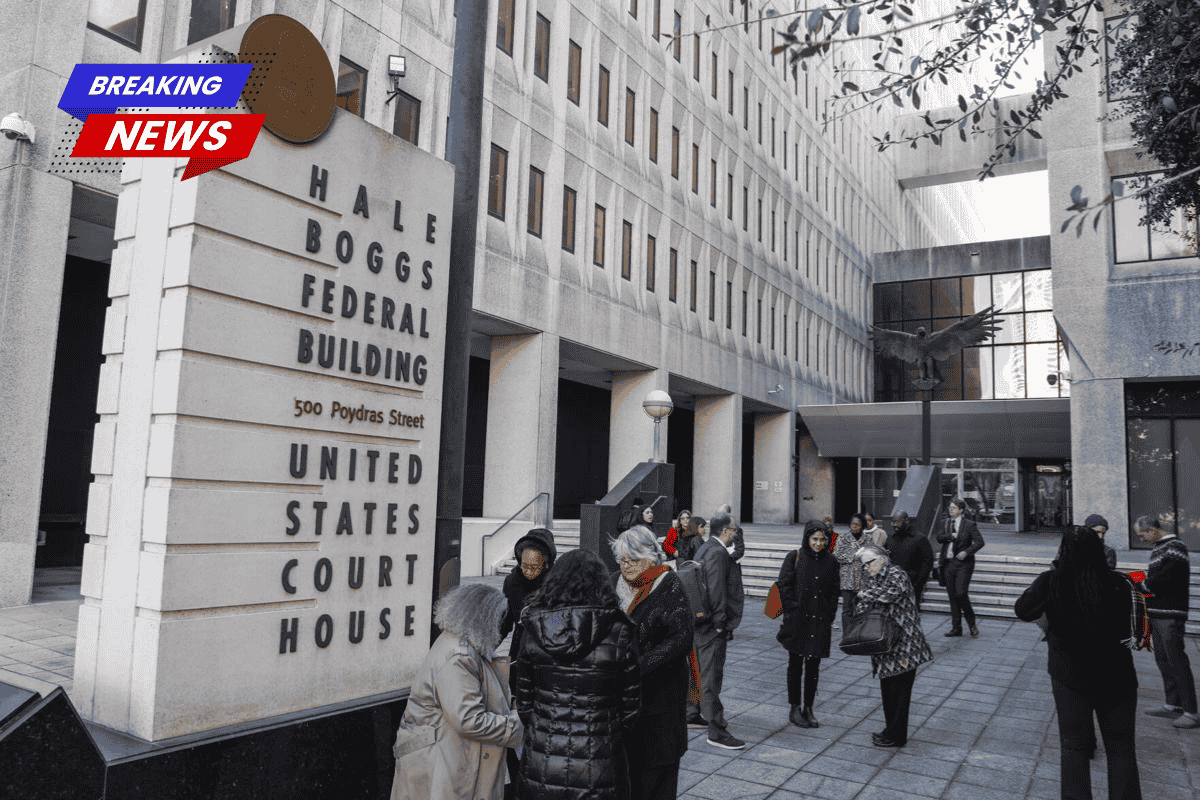
The federal probe eventually led to a grand jury indictment accusing Ruffin of wire fraud.
If convicted, the charge could carry significant penalties.
Judge recuses herself from case
The criminal court judge overseeing Hansen’s case, Robin Pittman, later recused herself.
Legal analysts suggested that the recusal could indicate the judge might be called as a witness in the federal investigation.
Such recusals sometimes occur when a judge may have relevant knowledge related to a case.
Legal career already faced scrutiny
The allegations against Ruffin have already had professional consequences.
She previously represented one of the inmates involved in a high-profile New Orleans jail escape last year. After the accusations surfaced in December, that defendant was assigned a new attorney.
Ruffin’s career has also faced challenges in the past.
In 2015, a judge declared a mistrial in a murder case after it was revealed that Ruffin represented a business connected to the spouse of a detective involved in the investigation.
Earlier in her career, Ruffin also faced discipline from the Louisiana Supreme Court.
In 2011, while working as a prosecutor, she was sanctioned for threatening to pursue charges against someone who wrote a bad check to a friend of hers. She later lost her job at the district attorney’s office after reporting the incident herself.
Ruffin later addressed the issue publicly, describing it as a mistake early in her career that helped shape her professional growth.
Federal prosecutor personally presented indictment
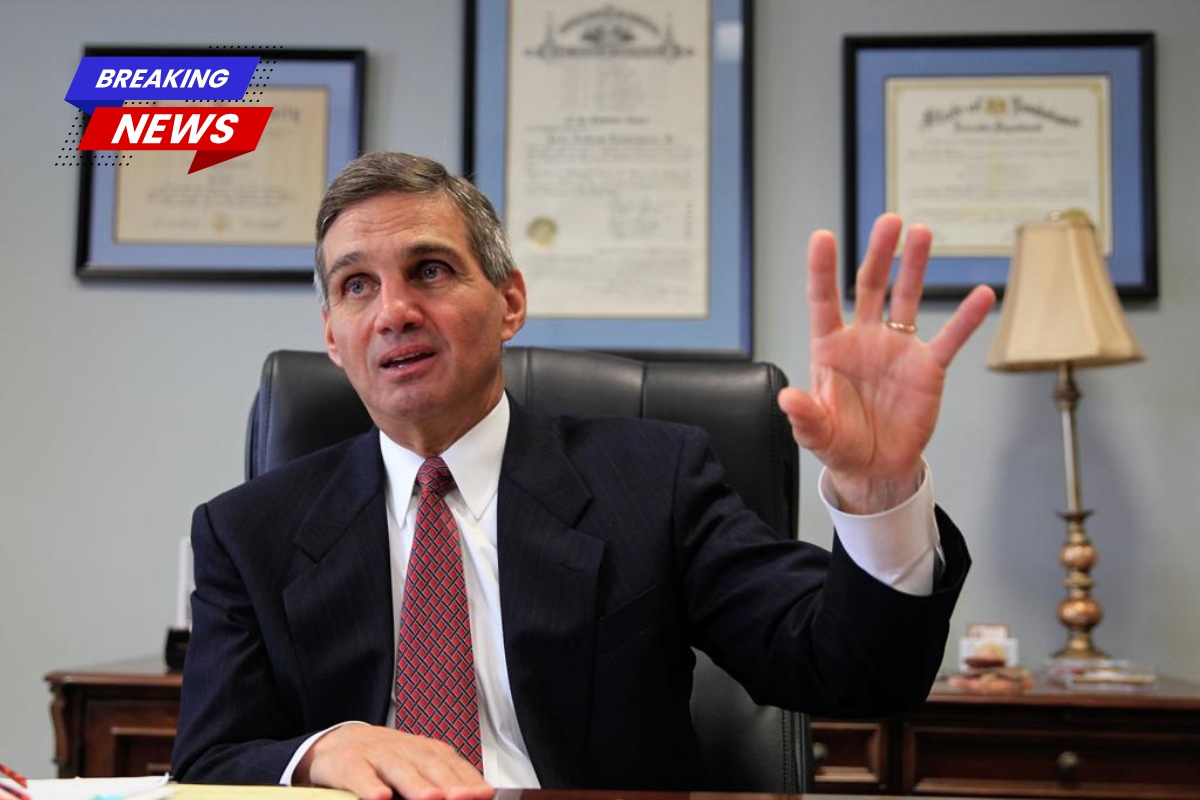
The federal indictment was presented by U.S. Attorney David Courcelle for the Eastern District of Louisiana.
Courcelle, who was sworn into the position in December, appeared in court alongside Assistant U.S. Attorney Maria Carboni.
Legal experts say it is somewhat notable when a newly appointed U.S. attorney personally presents a case.
Former federal prosecutor Michael Magner said the move may signal a strong commitment to aggressively pursuing corruption and major financial crime cases.
Impact on legal community
The allegations against Ruffin have caused significant discussion within New Orleans legal circles.
The case involves serious claims that a defense attorney misled a client’s family about how the justice system works in order to collect large payments.
Such accusations raise major ethical concerns because lawyers are expected to act honestly and protect the interests of their clients.