A new controversy in the United States has brought together politics, media, and free speech debates. The issue began with a joke on late-night television and quickly escalated into a wider discussion involving government agencies and major media companies.
What Started the Controversy?
The situation began after comedian Jimmy Kimmel made a joke during his show ahead of the White House Correspondents’ Dinner. While addressing Melania Trump, he used a sarcastic remark that sparked strong reactions online and in political circles.
Soon after, Donald Trump and the First Lady criticised the joke and reportedly called for Kimmel to be removed from his show.
FCC Steps In
The controversy grew when the Federal Communications Commission (FCC) launched an early review of broadcast licences linked to The Walt Disney Company, which owns the network airing Kimmel’s show.
This move raised concerns about whether the government was overstepping its role by responding to a comedian’s remarks.
Ted Cruz Speaks Out
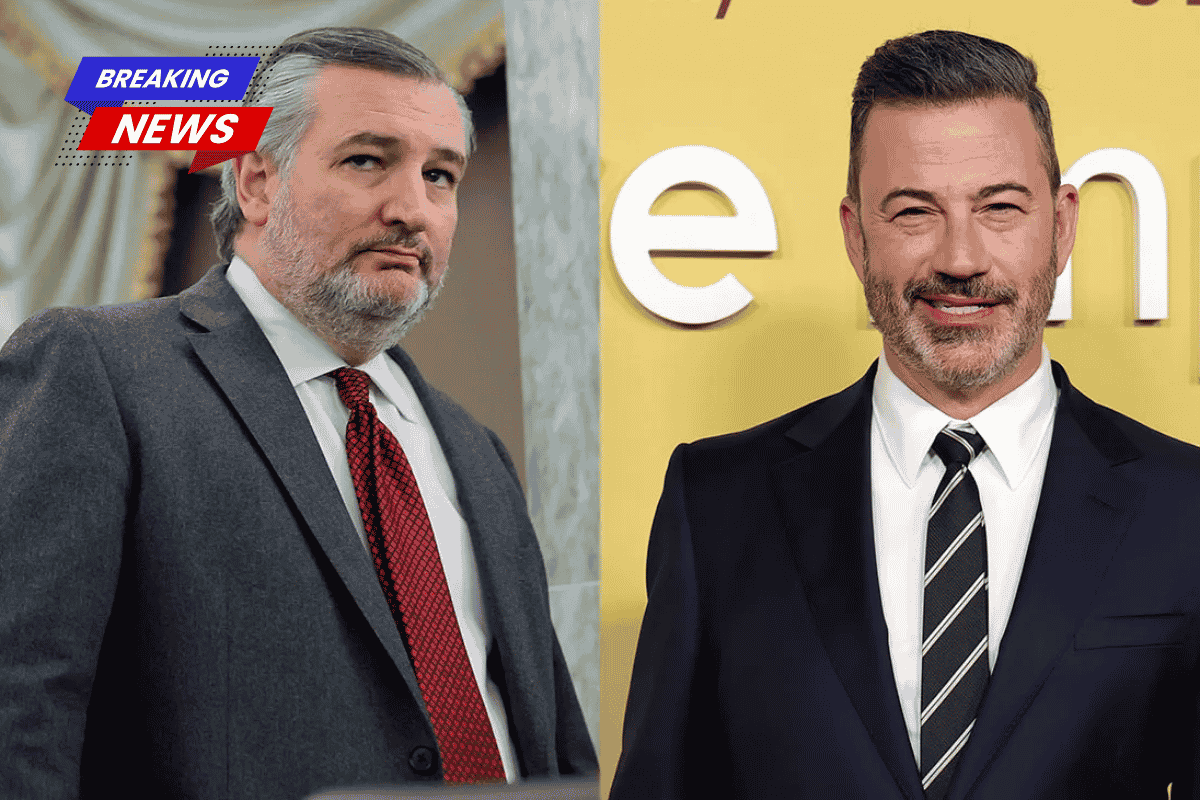
Ted Cruz criticised the FCC’s decision, saying it is not the government’s job to control or censor speech. He stressed that such actions could set a troubling example for freedom of expression.
His comments were supported by industry voices, including the National Association of Broadcasters, which warned that such actions could create uncertainty for media companies.
Media Industry Concerns
Curtis LeGeyt, head of the broadcasting association, said the FCC’s approach could disrupt the normal process of licence renewals. He emphasised that stability and fairness are important for broadcasters, especially as they provide news, emergency information, and community services.
Jimmy Kimmel’s Response
Jimmy Kimmel did not apologise for his remark. Instead, he described it as a typical “light roast” joke and defended his right to make such comments.
He also responded to criticism by making further jokes on his show, including a remark about a speech made by Donald Trump during a state visit event.
Disney’s Position
A spokesperson for The Walt Disney Company said the company is confident in its compliance with U.S. laws, including free speech protections under the Constitution. The company stated it is ready to address the matter through proper legal channels if needed.
Support From Other Voices
Interestingly, even some conservative figures defended Kimmel. Comedian Adam Carolla said the joke was typical of roast-style humour and should not be taken too seriously.
He also pointed out that reactions often become stronger when unrelated events happen later, even if there is no real connection.
Bigger Debate on Free Speech
This situation has raised a larger question: where should the line be drawn between free speech and regulation?
Supporters of Kimmel argue that comedy often includes satire and criticism, while critics believe public figures should be treated with respect, especially during sensitive times.