
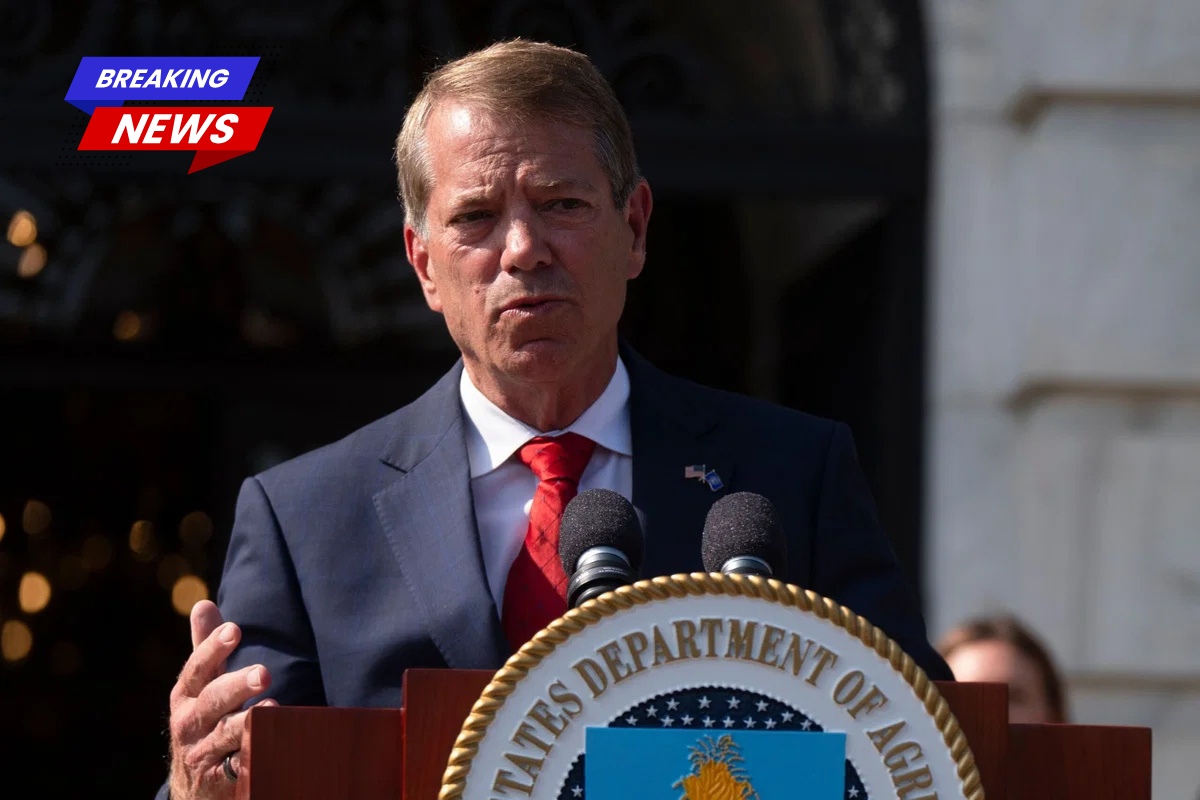
Nebraska is set to implement work requirements for its Medicaid program starting Friday, becoming the first state to enact a key provision of the Republicans’ “big, beautiful bill.” The law, supported by Republican Governor Jim Pillen, aims to promote long-term independence for low-income individuals, but experts and community advocates are concerned about the potential negative impact on Medicaid enrollees.
Concerns Over Potential Loss of Coverage
The work requirement mandates that Medicaid enrollees between the ages of 19 and 64 work, volunteer, attend school, or participate in a work program for at least 80 hours a month to maintain coverage.
Critics argue that tens of thousands of eligible low-income adults could lose their Medicaid coverage due to paperwork burdens and other hurdles, such as the state’s decision to implement the mandate eight months before the deadline set by the law.
The new requirement could lead to a decline in enrollment, with an estimated 16,000 to 30,000 Nebraskans potentially losing their Medicaid coverage by 2028. This is attributed to the work mandate as well as a new federal provision requiring states to redetermine eligibility every six months instead of annually, according to an analysis by the Urban Institute.
The One Big Beautiful Bill Act and Its Impact
The One Big Beautiful Bill Act, signed into law by President Donald Trump last July, enacted the first-ever federal work requirement for Medicaid.
The law mandates that adults who sign up for or are covered by Medicaid expansion must meet the work requirement unless they are exempt. Exemptions include pregnant women, parents of children under 14, individuals with serious medical conditions, and those in substance use disorder treatment programs.
The law affects 42 states that have expanded Medicaid coverage to low-income adults, as well as the District of Columbia. Nationwide, enrollment is expected to decline by 3 million to 7 million people by 2028 due to the new work requirement.
How Nebraska’s Work Requirement Will Be Enforced
In Nebraska, individuals applying for Medicaid expansion will need to demonstrate that they meet the work requirement for the month prior to their application or qualify for an exemption. For existing enrollees, the state will begin checking compliance with the work mandate when they renew their coverage, starting July 31.
The state will use various data sources to verify whether individuals are working the required number of hours or meet any exemptions. Additionally, participants who earn at least $580 a month (equivalent to 80 hours at the federal minimum wage) can meet the work requirement.
However, many participants will need to submit additional documentation about their employment, volunteering, or enrollment in school or work programs. This includes providing contact information for volunteer organizations, work programs, and doctors.
Potential Documentation Challenges
Experts worry that the documentation requirements could be a significant barrier for some Medicaid enrollees. Jennifer Tolbert, deputy director of the Program on Medicaid and the Uninsured, noted that individuals who meet the work requirements might still lose coverage if they cannot provide the necessary documentation.
“This could mean those individuals, even though they are meeting the requirements, are simply not able to enroll or could lose coverage because of the inability to provide the documentation,” Tolbert said.
Lack of Outreach and Communication
There are also concerns about the lack of clear communication about the new mandate. Sarah Maresh, health care access program director at Nebraska Appleseed, an advocacy group, said that many enrollees are confused about whether the mandate applies to them and whether they qualify for exemptions. She criticized the state’s outreach efforts, saying that the notices sent to enrollees are vague and difficult to understand.
“This rush job will lead to a lot of harm,” Maresh said.
Concerns from Healthcare Providers
Hospitals and healthcare providers are also worried that the sudden implementation of the work requirement will result in many patients losing coverage, particularly in rural areas. The Nebraska Hospital Association expressed concerns about the potential financial losses and increased administrative burdens the new requirement could cause.
State’s Efforts to Raise Awareness
Despite the concerns, the Nebraska Department of Health and Human Services (DHHS), which oversees Medicaid, has said it is ramping up its outreach efforts. The state has sent tens of thousands of mail, email, and text messages to enrollees and is also running television, radio, and social media campaigns to raise awareness.
Drew Gonshorowski, director of the Division of Medicaid and Long-Term Care, stated:
“Our top priority is making sure members clearly understand changes to the program and how to maintain their coverage, which is why DHHS is committed to communicating and providing support every step of the way.”






