

Just 20 minutes after leaving Earth’s orbit, the crew aboard Orion spacecraft faced a frightening alert during a critical manoeuvre known as the translunar injection burn.
Canadian astronaut Jeremy Hansen described the moment as “tense” in the crew’s first live interview from space. A warning message flagged a possible cabin leak, a scenario that could be life-threatening in space due to the risk of exposure to vacuum.
For a brief moment, the crew had to consider aborting the mission and preparing for an emergency return to Earth.
Fortunately, checks confirmed it was a false alarm. Both onboard readings and NASA mission control in Houston showed stable cabin pressure, allowing the mission to continue.
A Historic Mission Underway
Commander Reid Wiseman reflected on the intensity of the journey as the spacecraft accelerated to 24,500 miles per hour.
He noted that while humans have travelled to the Moon before, it still feels extraordinary. Sending a crew 250,000 miles into space remains a massive technical and human achievement.
The mission marks a major step forward for NASA’s long-term lunar ambitions.
Another Problem: The £17.4m Toilet
Soon after the initial scare, the crew faced a more uncomfortable issue — a malfunctioning onboard toilet system.
Christina Koch stepped in to fix the problem with guidance from mission control. After troubleshooting, including restarting the system, the toilet was restored — but not before the crew had to wait six hours.

Life Onboard the Orion
As the spacecraft travelled tens of thousands of miles from Earth, the crew began settling into daily routines.
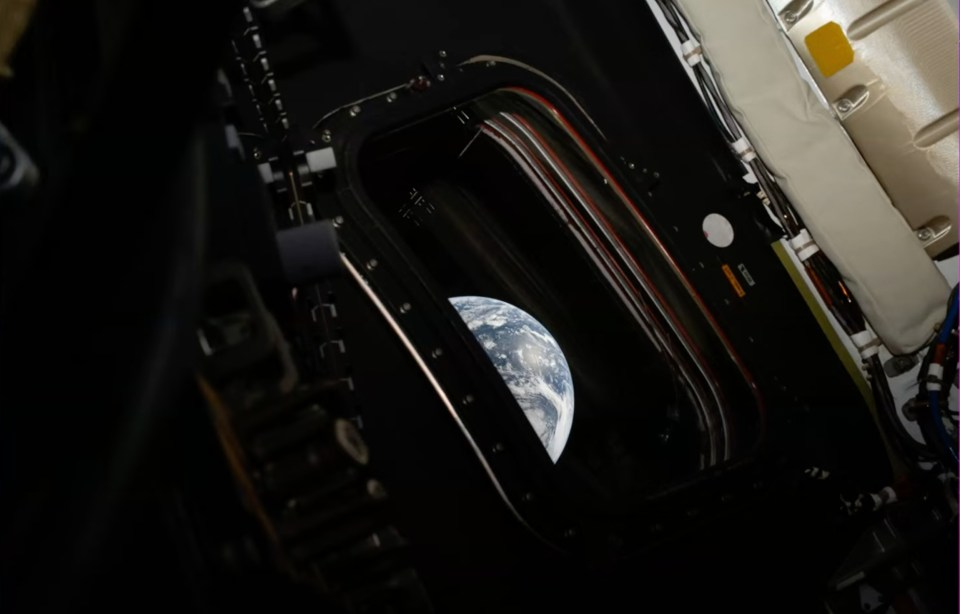
Astronauts conducted system checks, exercised, and admired breathtaking views of Earth from space. Koch described seeing entire continents, rivers, and even the South Pole illuminated from orbit.
The team also dealt with minor technical issues, including a valve that needed resetting and slight temperature discomfort inside the capsule.
The 10-Day Mission Timeline
April 1 – Launch
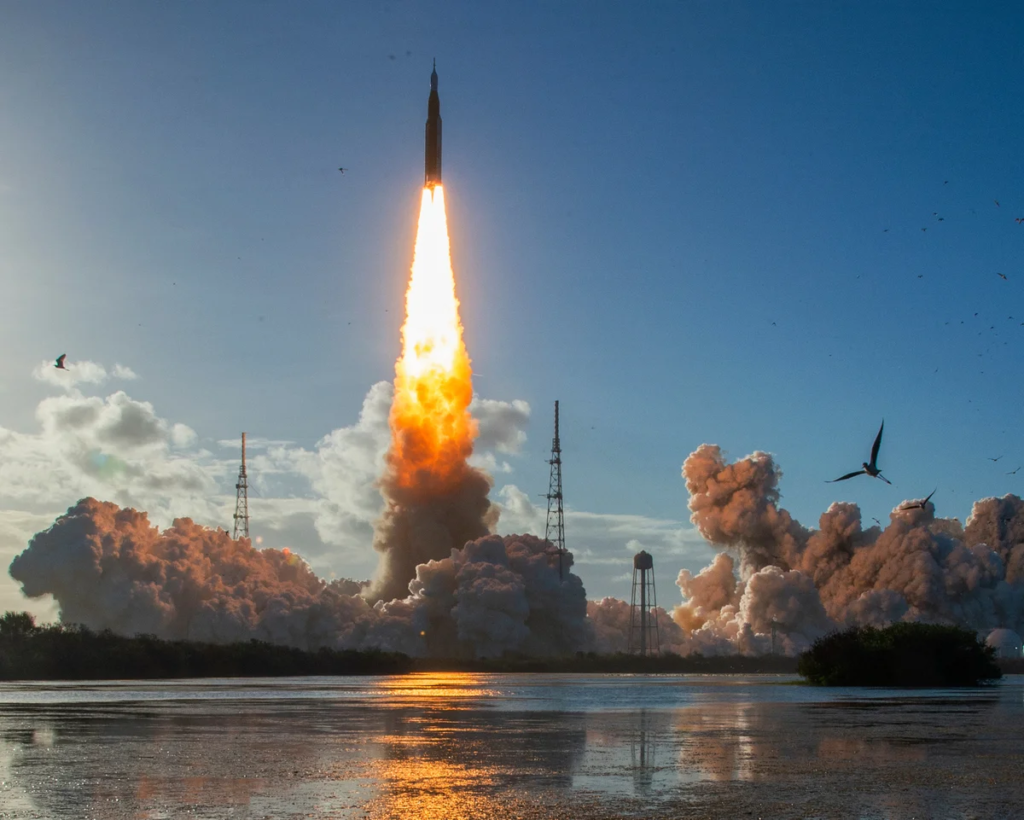
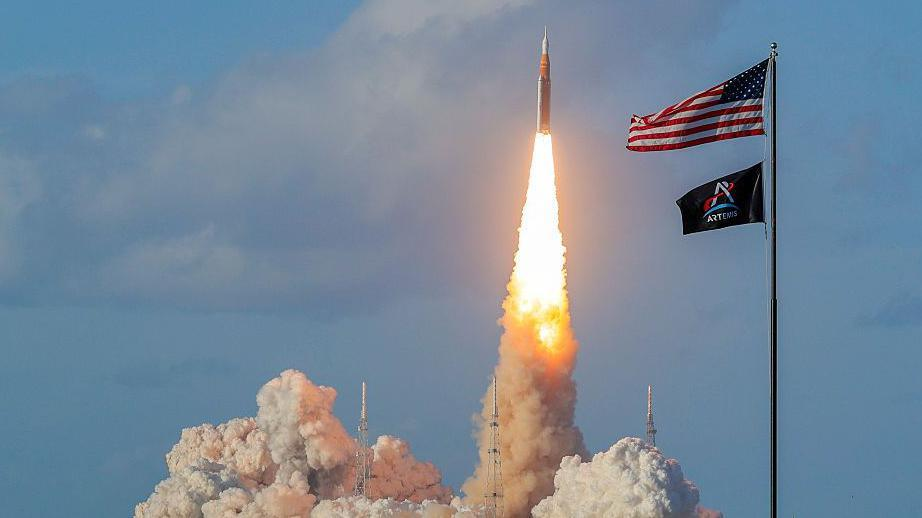
NASA’s powerful Space Launch System rocket lifts off, carrying Orion into orbit. The crew spends nearly a full day checking systems.
April 2 – Heading to the Moon
The translunar injection burn sends Orion on its path toward the Moon.
April 3–4 – Course Corrections
Small engine burns ensure the spacecraft stays on the correct trajectory.
April 5 – Entering Lunar Influence
Orion reaches the point where the Moon’s gravity becomes stronger than Earth’s.
April 6 – Closest Approach
The spacecraft passes the far side of the Moon, travelling farther than any human before.
April 7 – Slingshot Maneuver
Orion uses the Moon’s gravity to begin its journey back to Earth — the riskiest phase.
April 8 – Safety Tests
The crew tests procedures for dealing with solar radiation and practices manual control.
April 9 – Preparing for Return
Astronauts review re-entry procedures.
April 10 – Return to Earth
The spacecraft re-enters Earth’s atmosphere, enduring extreme heat before splashdown in the Pacific Ocean.
Paving the Way for Future Moon Landings
This mission is part of NASA’s broader plan to return humans to the Moon and eventually establish a sustained presence there. The agency hopes missions like this will lead to a crewed lunar landing by 2028.
Despite early scares and technical hiccups, the crew remains in good spirits — focused on the task and aware they are part of a major moment in space exploration history.






