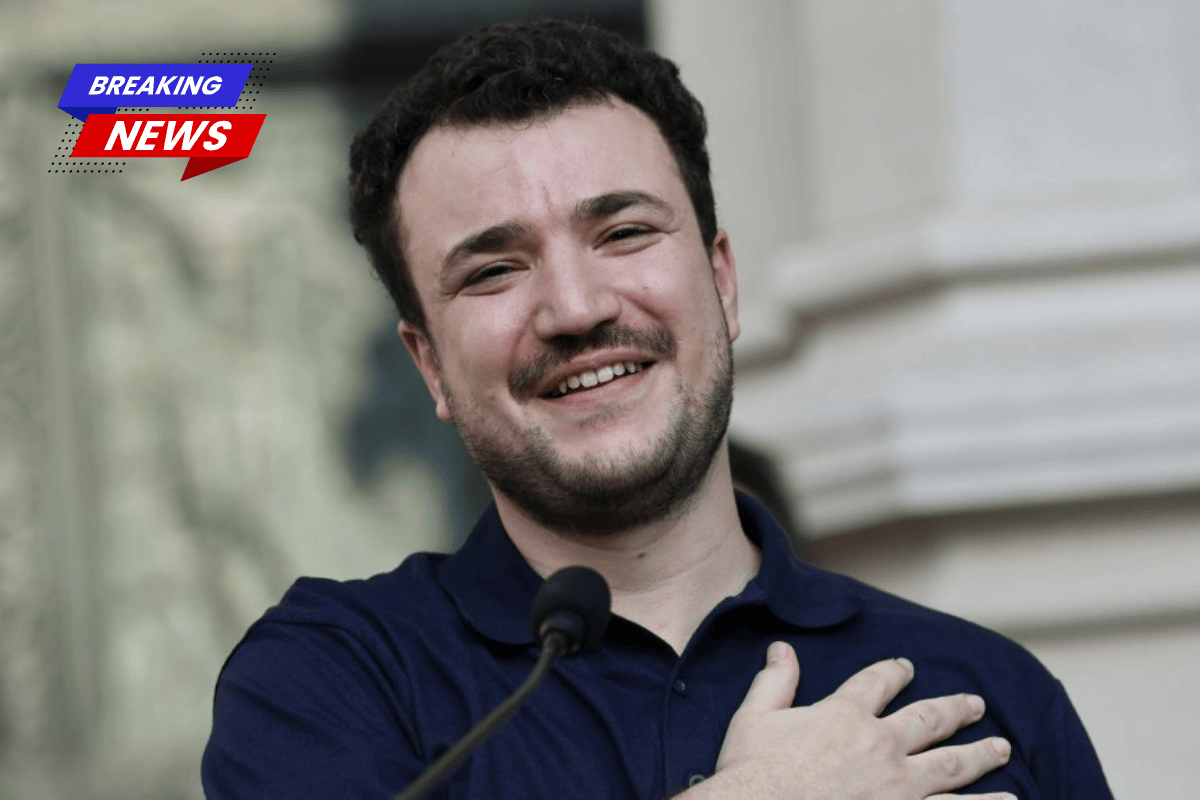
The Board of Immigration Appeals has ruled that Mahmoud Khalil, a lawful permanent resident and former Columbia University student, is removable from the United States.
Deportation Paused Amid Ongoing Legal Fight
Despite the ruling, Khalil cannot currently be deported or detained due to a separate habeas corpus case pending in the Third Circuit Court of Appeals. His legal team has also indicated plans to appeal the decision to the Fifth Circuit.
Khalil Denounces Decision
Khalil strongly criticized the ruling, calling it politically motivated and tied to his pro-Palestinian activism. He stated he has committed no crimes and believes the immigration system is being used to retaliate against him for his views.
Basis of the Case
The case involves allegations that Khalil failed to disclose certain information on his green card application, including an internship connected to the United Nations Relief and Works Agency for Palestine Refugees (UNRWA) and ties to a student group.
His attorneys argue the claims are baseless, stating that his work was tied to Columbia University and that he was not formally a member of the student group in question.
Legal Arguments and Challenges
Khalil’s legal team also disputes the use of a “foreign policy” provision under U.S. immigration law, arguing it is unconstitutional. A federal district court in New Jersey previously signaled agreement, restricting the government from relying on that basis for removal.
ACLU and Legal Response
The American Civil Liberties Union, which is supporting Khalil, said the decision reflects a broader pattern of targeting individuals for protected speech. His attorneys say they will continue to challenge the ruling in federal courts.
Broader Concerns About Immigration Courts
Immigration courts operate under the executive branch, and critics have raised concerns about impartiality, particularly amid staffing changes and shifting case outcomes in recent years.
Lawsuit Against the Government
Khalil has also filed a $20 million lawsuit against the administration over his prior detention by Immigration and Customs Enforcement, which lasted more than 100 days. He has said he would also accept a formal apology.
Case Continues
The case is expected to continue through multiple levels of the federal court system, with key legal questions around free speech, immigration law, and due process still unresolved.