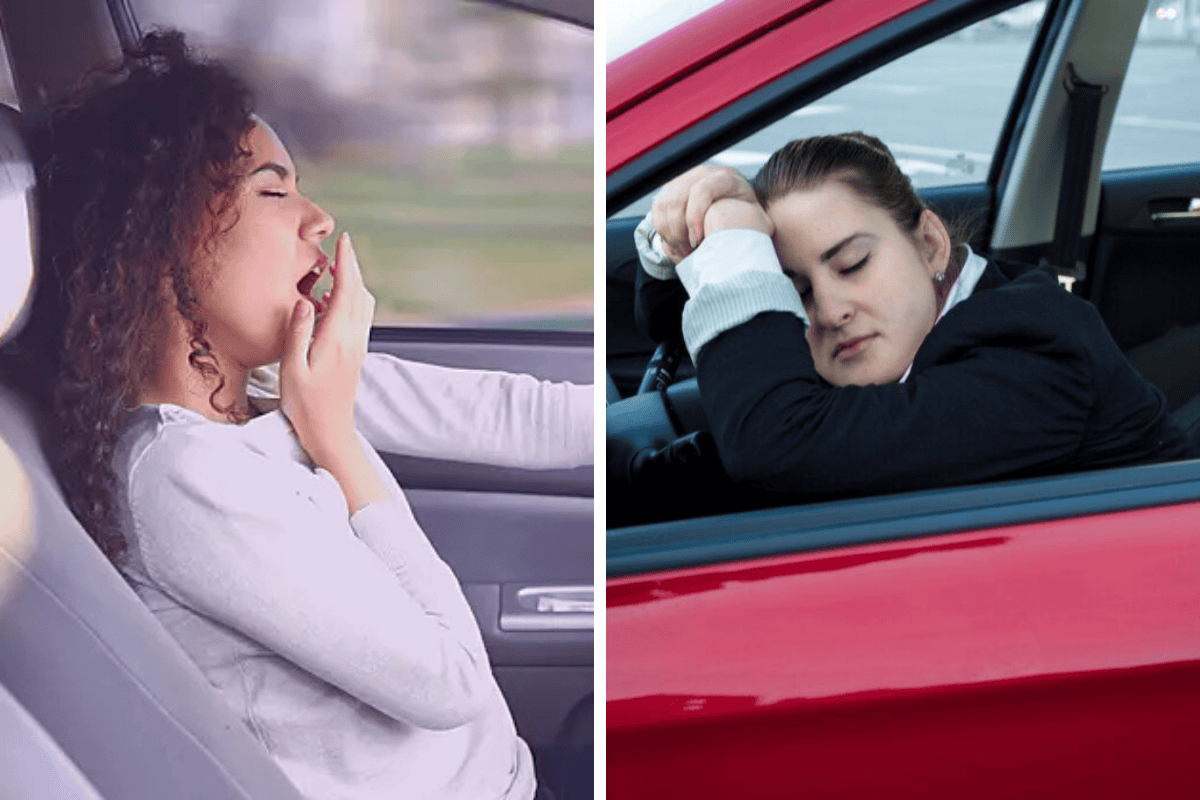
Alabama has no statewide ban on sleeping in your car as of 2026, making it generally legal in designated spots like truck stops, but local ordinances, private property rules, and DUI risks create pitfalls.
Travelers, vanlifers, and those facing housing issues must navigate these nuances to avoid tickets or arrests. Understanding restrictions ensures safer rests amid rising nomadic trends.
Statewide Legality
No Alabama statute explicitly prohibits sleeping in a vehicle; it’s permitted if parked legally off public roads. Key limits: No highway shoulders or overnight at rest areas, which ban long-term parking to prevent loitering. Enforcement is low unless complaints arise, but police may check for welfare or impairment.
Post-2024 Supreme Court Grants Pass ruling, localities retain authority over public sleeping bans, but vehicle use inside cars often evades direct application.
Local Ordinances and Hotspots
Coastal cities enforce strict rules: Gulf Shores and Fairhope prohibit vehicle sleeping from 10 p.m.–6 a.m., citing tourism and safety. Hoover declares prolonged street parking an obstruction. Other towns like Mobile or Birmingham may cite nuisance or zoning for residential areas.
DUI and Impairment Risks
Alabama’s “actual physical control” DUI law arrests if intoxicated with keys accessible, even parked and asleep—engine off helps but not foolproof. Officers check keys, alcohol odor; defenses include locked out or passenger claims fail if driver-licensed. Sober sleepers are fine, but post-bar naps risk charges.
Private Property Rules
Owner permission required for lots, garages, or Walmart; no-consent equals criminal trespass (Ala. Code § 13A-7-1). 24-hour businesses like Cracker Barrel may allow discreetly; signs trump assumptions. Homeless on friends’ property still need explicit OK.
Safe Practices and Alternatives
Park facing traffic, use window shades, crack ventilation; avoid engines running for CO poisoning. Apps like iOverlander locate spots; churches, casinos offer free lots. Check city codes via Municode; rotate spots to dodge patterns.
For emergencies, shelters via 211 or state homeless coalitions provide beds. Van conversions must comply with no-habitation zones.
Enforcement Realities
Complaint-driven: Neighbors or owners trigger checks; stealth reduces risks. Fines range $50–$500 civilly, misdemeanors up to $2,600/jail. 2026 reviews show no major changes, but beach towns tighten amid overtourism.
Traveler Tips
- Verify apps/municipal sites pre-arrival.
- Sober up fully; Uber if needed.
- Document permission for private.
- Have insurance/tags current.
While feasible, car sleeping demands vigilance—prioritize safety over convenience in this permissive-yet-patched state.
SOURCES:
- https://allowedhere.com/legality/sleeping-in-car/alabama/
- https://1051theblock.com/is-it-illegal-to-sleep-in-your-car-in-alabama/