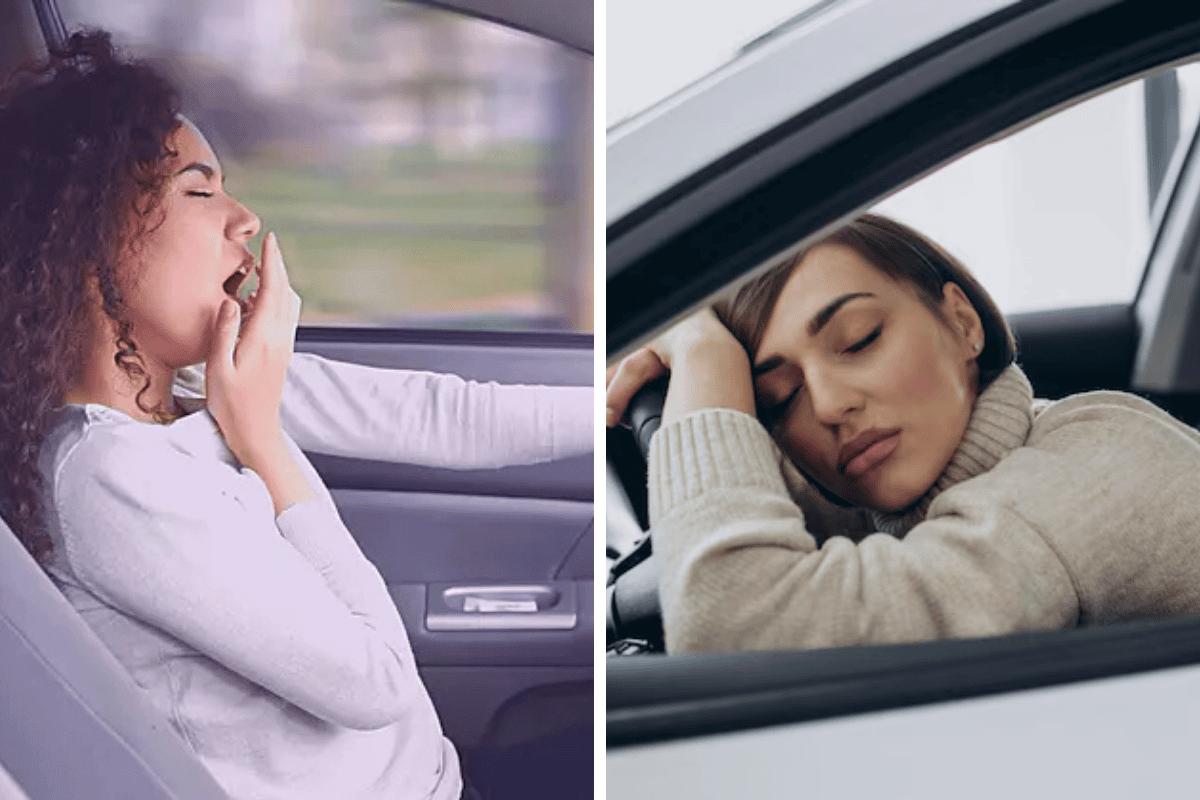
Sleeping in your car is not explicitly banned by Hawaii state law, but all four counties (Honolulu, Maui, Kauai, Hawaii) prohibit using vehicles for habitation on public property like streets, beaches, and parks. Violators face fines, towing, or misdemeanor charges, with enforcement ramping up amid housing crises and tourism pressures.
Statewide Legal Framework
Hawaii Revised Statutes §291C-112 allows sleeping in vehicles under certain conditions but empowers counties to regulate “vehicle habitation” on public roads. No statewide outright ban exists, but HRS §291-35 bans parking in ways blocking traffic or safety, often applied to overnight stays. Permits for designated areas are rare and temporary; routine car sleeping risks petty misdemeanors (up to $2,000 fine, 30 days jail).
Honolulu County Restrictions
Oahu’s Honolulu bans overnight parking in most public lots 6 p.m.-6 a.m., enforced strictly near Waikiki beaches and parks like Sand Island (camping suspended 2024 due to violations). HPD patrols target “camping” indicators (tents, bedding); 2026 citations hit 5,000+ amid homelessness crackdowns. Private lots (Walmart, some beaches) may allow short rests with permission, but no habitation.
Maui County Ordinances
Maui prohibits vehicle dwelling on public property, with failed 2022 bills to permit it for homeless highlighting tensions. Lahaina fires displaced many, spiking enforcement in parks and roadsides. Fines start at $100; repeaters face towing and 48-hour holds. Resorts post “No Overnight Parking” signs backed by trespass laws.
Kauai and Big Island Rules
Kauai bans car camping outside permitted state parks (e.g., Polihale, fees apply). Big Island (Hawaii County) mirrors with ordinances against “living in vehicles” on highways; Naalehu beach patrols cite frequently. Both enforce 6 p.m.-6 a.m. no-parking in high-tourist zones.
Enforcement Realities
High likelihood statewide; DLNR and HPD prioritize safety and aesthetics, citing litter, fires, and noise (e.g., Sand Island closure). Homeless initiatives offer shelters, but tourists face swift tickets. Dashcam footage aids appeals, but courts uphold ordinances.
Safe Alternatives
Private property with owner OK (e.g., campsites, driveways) or paid RV parks ($50+/night). Apps like iOverlander list tolerant spots, but verify. State rest areas allow 24-hour max rests, no sleeping implied. Airlines/hotels partner for layover lounges. For vanlifers, “stealth” mode (no visible gear) reduces risks short-term.
2026 Updates and Trends
No major changes; post-Lahaina focus on displacement led to stricter park rules, not relaxations. Proposed bills for safe zones stalled. Housing shortage (vacancy <3%) fuels crackdowns. Federal HUD grants fund outreach over arrests.
Practical Advice
Park legally daytime, move before dusk; use mirrors for patrols. Blackout windows but ventilate legally. Carry docs proving non-residency if questioned. Nonprofits like Family Promise offer transitions. Prioritize safety—Hawaii’s paradise hides strict enforcement for car dwellers.
SOURCES:
- https://allowedhere.com/legality/sleeping-in-car/hawaii/
- https://www.sfgate.com/hawaii/article/honolulu-sand-island-camping-ban-19660839.php