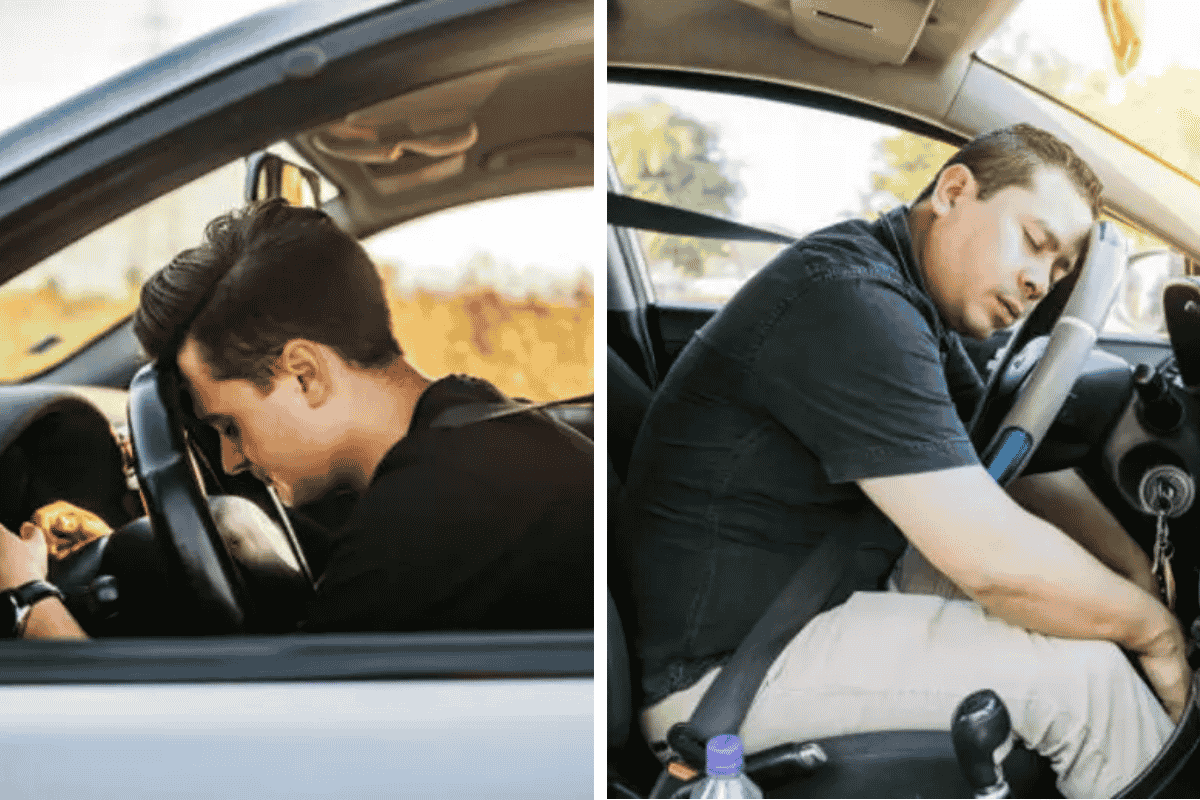
In Massachusetts, there is no state-wide law that specifically prohibits sleeping in your vehicle. The practice is generally considered legal, and the state encourages tired drivers to pull over and rest at designated areas rather than driving while exhausted. However, while the act of sleeping in a car is not a crime, your ability to do so depends heavily on where you park and local regulations.
Where You Can Safely Rest
State-run highway rest areas are among the safest places to nap in your car. These facilities are intended for driver safety, and officials prefer that motorists rest rather than operate a vehicle while fatigued.
Note that these locations often enforce strict time limits—frequently a maximum of two hours for parking—and may restrict how long a vehicle can remain unattended. Always check posted signage at these locations to avoid being asked to move.
Potential Legal Risks and Considerations
Although sleeping in your car is not inherently illegal, you may encounter legal issues depending on the circumstances:
- Private Property: Parking on private land without the owner’s permission—such as in retail parking lots or residential driveways—can lead to charges of trespassing. Always look for “No Trespassing” or “No Overnight Parking” signs, and respect a business owner’s right to ask you to vacate their premises.
- Operating Under the Influence (OUI): This is a critical risk for those choosing to sleep in their vehicles. In Massachusetts, an individual can be charged with OUI if they are in a parked, stopped, or idling vehicle on a “public way” or any area where the public has a right of access, even if the car is not in motion. If you have been drinking, you can still be legally classified as “operating” the vehicle while sleeping inside it.
- Local Ordinances: Municipalities may have specific local bylaws regarding loitering, camping, or parking that could be used to restrict or discourage overnight stays in vehicles on city streets or other public property.
Best Practices for Responsible Resting
To minimize the risk of being hassled by law enforcement or asked to leave a location, prioritize safety and discretion. Avoid parking in residential areas or near schools where your presence may be viewed as suspicious.
If you must sleep in your car, doing so at a designated rest area or a private location where you have explicit permission remains your safest legal path. Always ensure your vehicle is legally parked and that you are not obstructing traffic or violating any posted time restrictions.
SOURCES:
- https://wnaw.com/is-it-illegal-to-sleep-in-your-car-at-massachusetts-rest-areas/
- https://www.thezebra.com/resources/car-insurance/is-it-illegal-to-sleep-in-your-car/