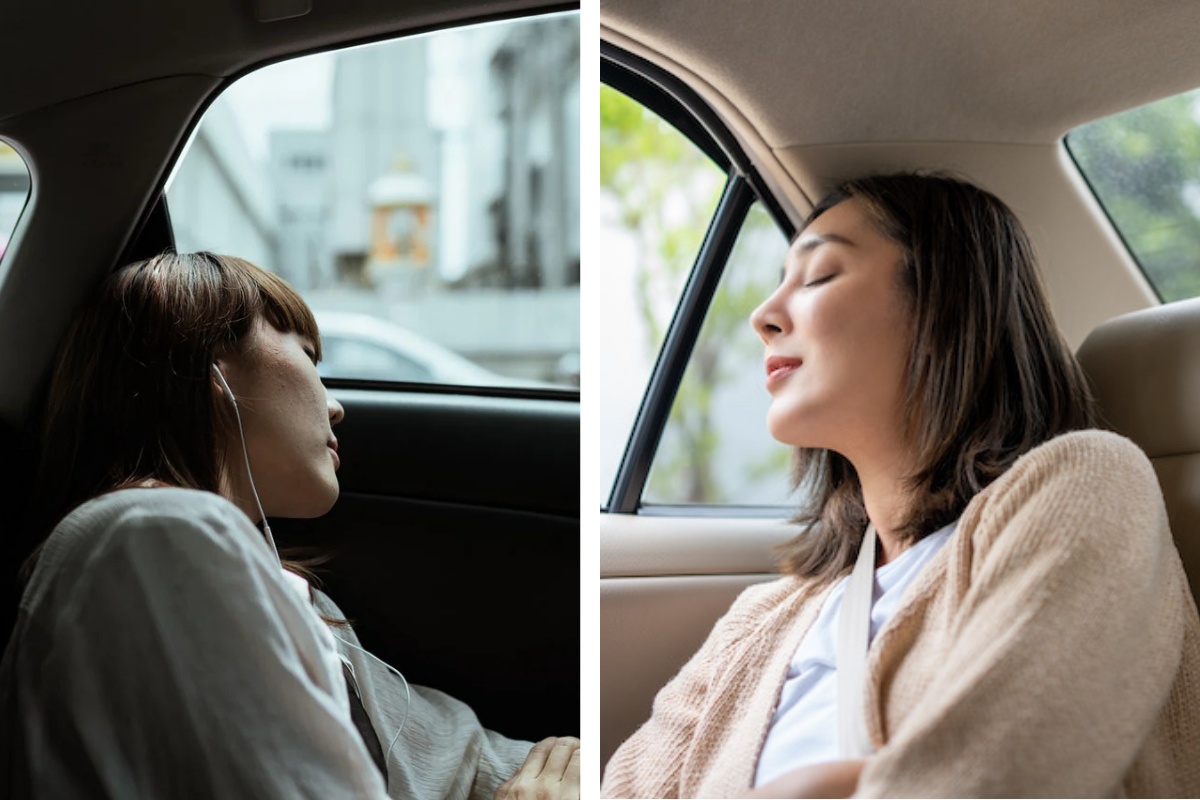
Mississippi lacks a statewide ban on sleeping in your car, making it generally permissible in appropriate spots. However, location-specific rules, local ordinances, and safety guidelines dictate when and where it’s legal.
Statewide Legal Framework
No Mississippi statute explicitly prohibits sleeping in a vehicle. The Mississippi Department of Transportation (MDOT) focuses on rest areas promoting driver safety without overnight bans.
Intent matters: resting discreetly aligns with highway safety, while “camping” (e.g., tents, fires) violates policies. Trespassing or public nuisance laws apply if parked improperly.
Rest Areas and Highways
MDOT rest areas allow sleeping and overnight parking up to 8 hours, though longer stays for safety are tolerated if low-profile. Facilities like welcome centers and roadside tables operate 24/7.
No camping or long-term parking; vehicles over 8 hours risk towing. Firearms handling and pets inside buildings are restricted.
Safe and Legal Locations
Truck Stops and Gas Stations: 24/7 spots like Love’s or Pilot often permit short-term sleeping; check signs.
Private Property: Requires owner permission to avoid trespassing charges.
Campgrounds: Paid spots may allow car sleeping; confirm rules. Wal-Mart lots sometimes okay via store manager ask.
State parks restrict vehicle camping outside sites.
Prohibited or Risky Areas
Avoid public streets, residential neighborhoods, and undesignated lots—cities like Jackson or Gulfport enforce overnight parking bans via ordinances.
Private lots with “No Overnight Parking” signs lead to tickets or tows. Avoid appearing homeless to prevent nuisance citations.
Local Ordinances and Cities
Municipal rules vary: Check Jackson, Gulfport, Hattiesburg for street bans. No uniform statewide enforcement, but complaints trigger police response.
Rural areas more lenient than urban; always scan for signage.
Potential Penalties and Risks
Violations yield tickets ($50-$500), towing fees ($100+), or misdemeanor charges for disorderly conduct/trespass. Repeat issues escalate.
Safety hazards include carbon monoxide (crack windows), theft, or weather; lock doors, park lit areas. Health risks from poor ventilation.
Best Practices for Compliance
Park discreetly, use window shades, limit to 8 hours. Apps like iOverlander list spots. Carry ID, explain to officers you’re resting safely.
Alternatives: Motels, Airbnbs, campgrounds. Insure properly; some policies exclude “habitation.”
Recent Developments
2026 sees no major changes; focus on homelessness ordinances. Verify via MDOT or local PD. Prioritize safety over convenience.
Sources
- (https://huroninsider.com/the-legality-of-car-sleeping-in-mississippi-what-you-need-to-know/)
- (https://www.jackery.com/blogs/knowledge/is-it-illegal-to-sleep-in-your-car-what-states)
- (https://www.boondockersbible.com/learn/mississippi-rest-area-rules/)
- (https://www.ecoflow.com/us/blog/guide-to-overnight-parking-at-rest-areas)