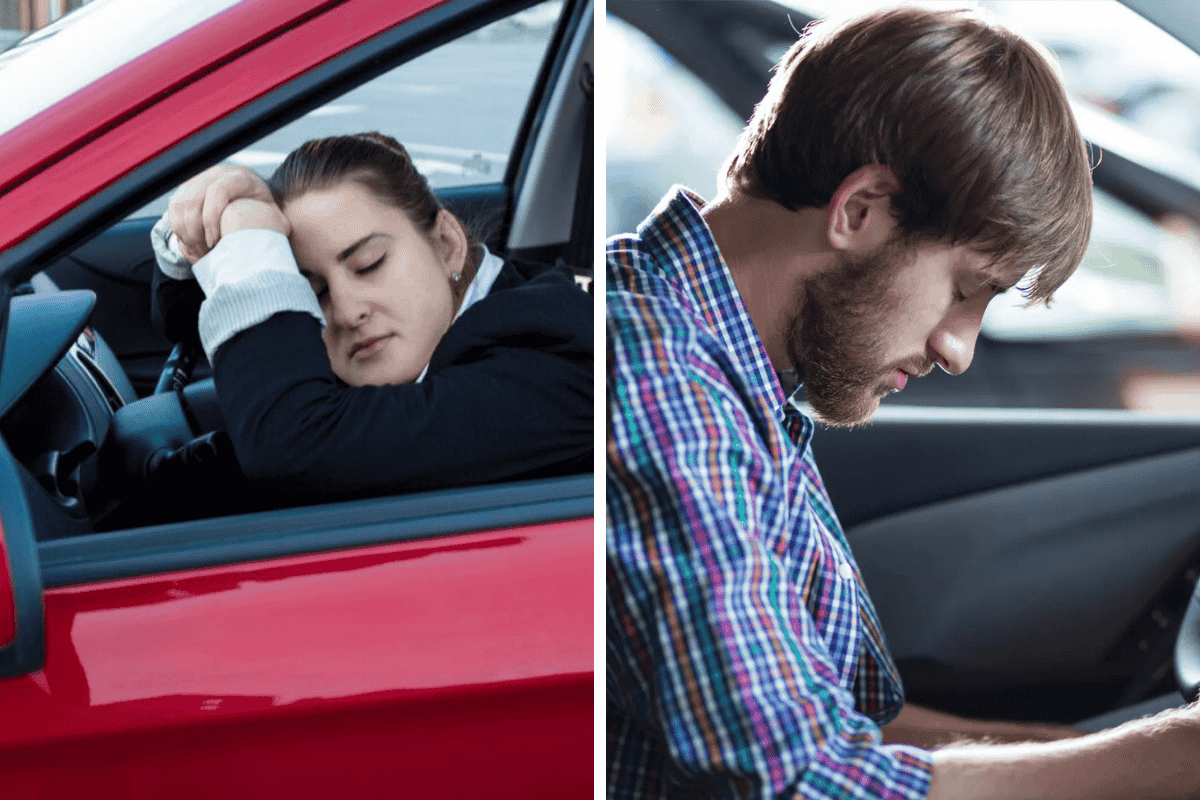
Sleeping in your car is generally legal in Nevada, but where you park, how long you stay, and whether you’ve been drinking can turn it into a crime.
Is Sleeping in Your Car Legal in Nevada?
Nevada does not have a statewide law that outright bans sleeping in your vehicle. You are allowed to nap or rest in your car as long as you follow local parking rules and are not violating DUI or camping ordinances.
However, cities and counties can pass their own rules, and many do. That means legality often depends more on where you are parked than on the act of sleeping itself.
DUI Risk: “Actual Physical Control”
The biggest legal risk is DUI if you are impaired and considered in “actual physical control” of the vehicle, even if it is not moving. In Nevada, you can be charged with DUI simply for being in control of a parked car while under the influence of alcohol or drugs.
Courts and police look at several factors to decide if you had control of the car: sitting in the driver’s seat, keys in the ignition, engine running, or parking in a spot that suggests you drove there drunk (for example, the side of a freeway). If those facts are present, you can face the same penalties as a normal DUI, including fines, possible jail, license suspension, and an ignition interlock device.
Public Land, Rest Areas, and Local Bans
On many types of public land, car sleeping is allowed if you follow posted rules. Nevada highway rest areas permit parking and resting for up to 18 hours in any 2‑week period under state transportation regulations. This limit applies to both passenger cars and commercial vehicles and is meant to prevent long‑term camping.
Some local governments have cracked down on sleeping in vehicles in public spaces. For example, the City of Sparks made sleeping in a vehicle on public property a misdemeanor, treating it as a criminal offense rather than a civil infraction.
Around Reno and other parts of Washoe County, broad public‑camping bans cover camping, fires, and parking RVs on county property, with violations punishable as misdemeanors.
Private Property and Parking Lots
On private property, like store lots or hotel parking, the key issue is the owner’s permission. Many big‑box stores and truck stops may tolerate overnight parking, but they can also post “no overnight parking” signs or ask police to enforce trespass laws.
If you sleep in your car in a private lot without permission where signs prohibit overnight parking, you risk being cited or towed. It is always safer to ask the manager or property owner than to assume that overnight car sleeping is allowed.
Safer Ways to Sleep Legally in Your Car
If you must sleep in your car in Nevada, a few precautions will reduce legal risk. Favor legal spots such as highway rest areas within the posted time limits, designated public campgrounds, or BLM areas where dispersed camping is allowed and rules are clearly posted.
If you have been drinking, take extra care to show you had no intent to drive: avoid the driver’s seat, turn the engine off, keep the vehicle legally parked, and keep the keys out of the ignition. Even with those steps, an officer can still investigate, so the safest option after heavy drinking is often to use a rideshare, taxi, or hotel instead of relying on car sleeping.
SOURCES:
- https://courtroomproven.com/blog/is-it-legal-to-sleep-in-your-car-in-nevada/
- https://thenevadaindependent.com/article/sleeping-in-vehicles-on-sideways-a-misdemeanor-in-sparks