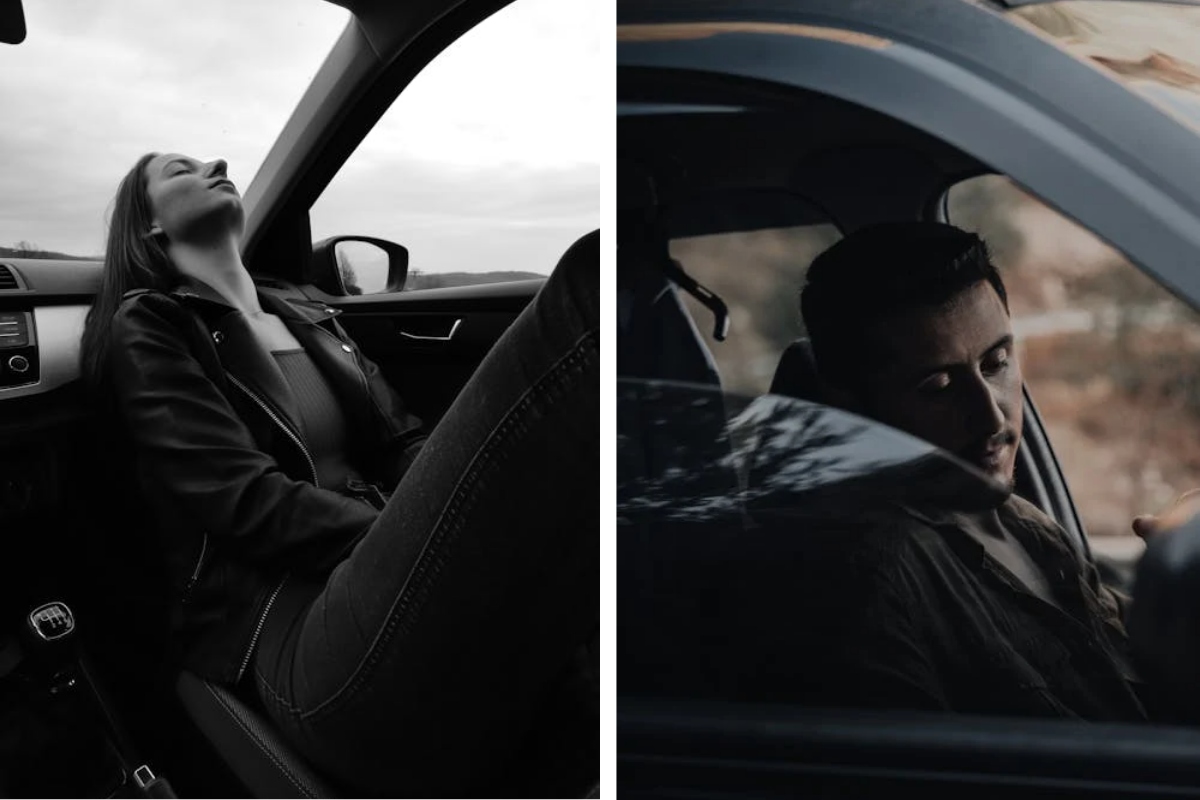
Sleeping in your car in Tennessee is not automatically illegal, but it can lead to tickets, trespassing charges, or even DUI‑type problems depending on the location, how long you stay, and whether you are under the influence. In 2026, the safest approach is to treat car‑sleeping as allowed only in specific, permitted spots and for limited periods, not as a general right to camp anywhere on public property.
State‑Level Rules and Time Limits
Tennessee does not prohibit all car‑sleeping, but it does restrict how long you can stay parked in one place and where you can “camp” on roadsides. At interstate rest areas and welcome centers, official rules generally limit parking to about 2–3 hours, and overnight parking or camping is not allowed.
Parking on highway shoulders, under bridges, or in underpasses for sleeping or camping is banned under Tennessee’s “unlawful camping” law, which treats those areas as off‑limits for living‑space activities.
Local Ordinances and Overnight Bans
Even if state law focuses on highways, many Tennessee cities have their own rules that can make sleeping in a vehicle illegal in public or private parking lots. Cities such as Nashville and Memphis, for example, have ordinances that restrict or prohibit sleeping in cars on public property or in certain commercial areas, often under loitering or trespassing statutes.
If law enforcement finds you parked overnight where overnight stays are banned, you can be cited, towed, or told to leave, even if your car is legally parked at first glance.
When DUI or Criminal Charges Can Apply
Tennessee law introduces another risk: sleeping in your car while intoxicated can be treated as a DUI‑equivalent offense if you have keys and are in “physical control” of the vehicle. If police can show you intended to drive while impaired, you may face a DUI charge even if you were not actually moving the car.
This risk makes it especially important to avoid sleeping in the driver’s seat with the keys in the ignition or nearby, and to call a ride if you are too impaired to drive.
Where You Can Sleep More Safely
Despite the restrictions, there are still legal options for resting in your car in Tennessee. Many truck stops, some 24‑hour businesses, and certain campgrounds explicitly allow short‑term or overnight parking with permission from management.
Some churches, shelters, and local nonprofits run “safe parking” or overnight‑parking programs that let people sleep in their vehicles in designated lots. In 2026, checking local ordinances and asking property owners for written or clear permission can help you avoid fines and stay compliant with both state and city rules.
SOURCES:
- https://labrumlawfirm.com/blog/is-it-illegal-to-live-and-sleep-in-your-car-in-tennessee
- https://queenerlaw.com/is-it-legal-to-sleep-in-your-car-in-tennessee-a-legal-overview/