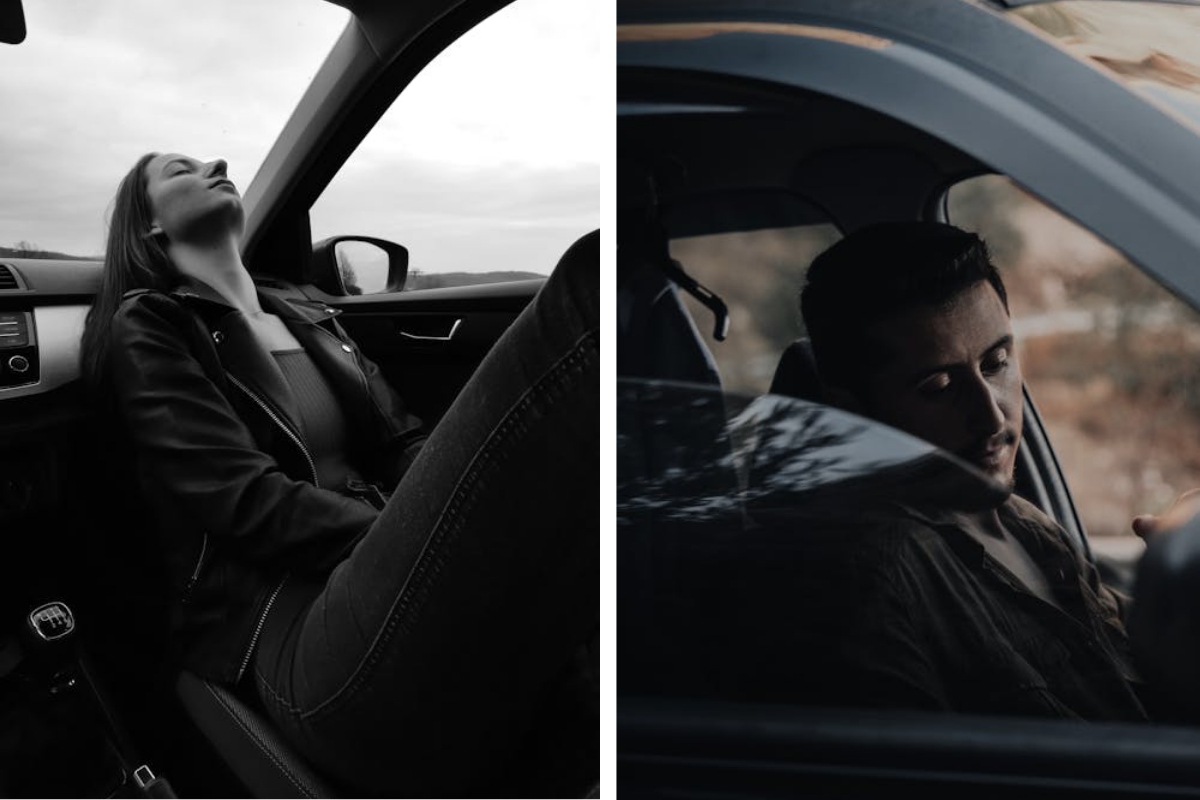
Washington State does not have a specific law explicitly prohibiting sleeping in your vehicle. Under Washington Revised Code § 47.38.020, sleeping in your car is generally legal throughout the state, but the practice is heavily regulated by local ordinances and property rights. This creates a legal gray area where car sleeping is permitted in some locations but restricted or banned in others, depending on municipal codes and signage.
Where You Can Legally Sleep in Your Car
Washington State Department of Transportation (WSDOT) operates rest areas along state highways where motorists can legally sleep in their vehicles for up to 8 hours within a 24-hour period.
These rest areas are designed to prevent driver fatigue and promote road safety, and sleeping in your car is actually encouraged rather than discouraged at these locations. However, tents, camping equipment, and vehicle repairs are strictly prohibited at rest areas, and exceeding the 8-hour limit can result in fines or being asked to leave.
Private parking lots present another option, but permission from the property owner is essential. Some Walmart locations allow overnight parking and car sleeping, but policies vary significantly by individual store and manager discretion. Always check for posted signs indicating whether overnight parking is permitted, and when in doubt, ask store management for explicit consent to avoid trespassing charges.
Where Car Sleeping Is Illegal or Restricted
Sleeping in your car on the side of the road or highway shoulder is illegal in Washington State. State officials warn that parking on road shoulders violates traffic laws and can result in fines. Vehicles must not obstruct traffic flow or create safety hazards, and parking outside business or residential districts without proper authorization violates RCW parking regulations.
| Location Type | Legality | Key Restrictions |
|---|---|---|
| State rest areas | Legal | Maximum 8 hours; no camping/tents |
| Private lots (with permission) | Legal | Owner consent required; policies vary by store |
| Highway shoulder/side of road | Illegal | Traffic violation; possible fine |
| City streets (Seattle) | Restricted | 72-hour limit; many “No Overnight Parking” zones |
| City parks (Kent, etc.) | Prohibited | Overnight parking banned in many municipalities |
Local Ordinances Vary Dramatically by City
Washington’s legal landscape for car sleeping is heavily influenced by municipal codes that differ significantly between cities. Seattle prohibits parking on city streets for more than 72 hours without moving the vehicle, which indirectly restricts extended car sleeping. Many Seattle neighborhoods, parks, and public areas have “No Overnight Parking” rules, though enforcement is generally lenient unless complaints are filed.
Other cities take stricter approaches. Bellevue and Eastside cities enforce overnight parking restrictions more rigorously, while Kent prohibits overnight parking in city parks and certain areas. Some cities have created designated “safe lots” where people experiencing homelessness can sleep in vehicles without fear of fines or towing, offering basic amenities like restrooms and trash disposal. Always research local ordinances before parking overnight, as rules can change at city boundaries.
Legal Consequences and Penalties
Violating car sleeping regulations can result in varying penalties depending on the jurisdiction and violation type. Parking violations typically incur fines exceeding $50, though amounts vary by municipality. Overstaying the 8-hour limit at rest areas may result in being asked to leave or similar fines.
More serious violations, such as trespassing on private property without consent, can lead to misdemeanor charges with fines up to $1,000 or imprisonment for up to 90 days. Vehicle towing and impoundment are also possible if parked illegally or beyond permitted time limits.
A critical safety concern involves DUI charges. If you’re intoxicated and sleeping in your car with keys in the ignition or within reach, you can be charged with DUI for being in “physical control” of the vehicle, even if the engine is off.
Safety and Compliance Tips
To avoid legal trouble, ensure your vehicle registration and insurance are current, keep your vehicle discreetly parked, maintain cleanliness around the area, and never leave the engine idling unnecessarily (violates RCW 46.61.635 anti-idling laws). When uncertain, contact local law enforcement to identify legal overnight parking areas or use designated safe lots where available.
SOURCES:
- https://allowedhere.com/legality/sleeping-in-car/washington/
- https://www.reddit.com/r/Washington/comments/96duwf/is_it_legal_to_sleep_in_your_car_in_washington/