There are an estimated 938 billionaires in the United States, a number that has sparked both fascination and frustration. To put that into perspective, it’s roughly the size of the average U.S. college graduating class, or half the seats in MetLife Stadium.
But the main issue is not how many billionaires there are—it’s whether they are paying their fair share of taxes. With two separate billionaire tax proposals gaining traction, public opinion is increasingly vocal about how the rich should contribute.
California’s Billionaire Tax Proposal
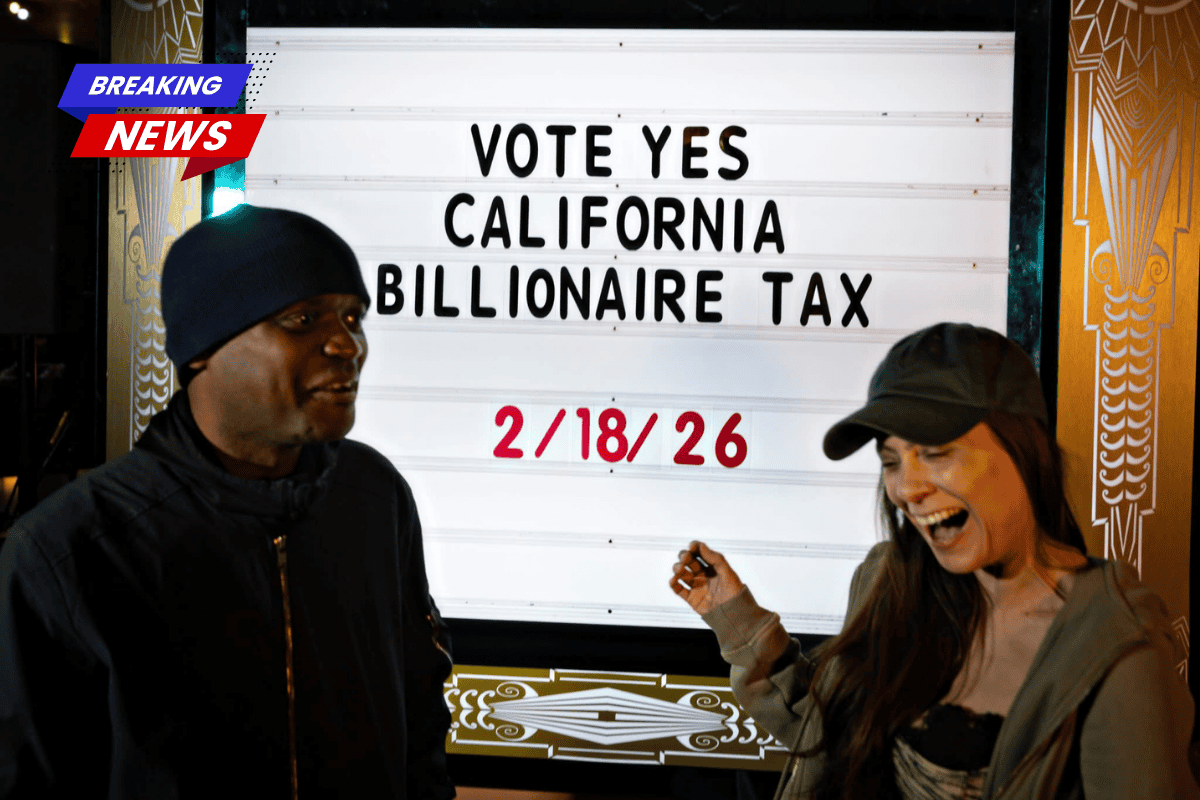
A recent poll from UC Berkeley’s Institute of Governmental Studies, in collaboration with the Los Angeles Times, reveals that a majority of California voters support a proposed one-time 5% tax on the net worth of the state’s billionaires. The proposal would impact roughly 200 billionaires in California. According to the survey, 52% of California voters are in favor, while 33% oppose it.
The tax would be levied on individuals with a net worth of over $1 billion who are California residents as of January 1, 2026. This one-time tax would be paid in annual installments over five years, with a projected revenue of $100 billion.
Ninety percent of the revenue is expected to fund healthcare, while the remaining 10% would go toward education and food assistance. The initiative, which was filed by SEIU-United Healthcare Workers West, aims to address the crisis caused by federal Medicaid cuts that threaten health coverage for over 3 million Californians.
The bill is currently collecting signatures, with 875,000 valid signatures required by June 24 to make it to the November ballot. Critics, including some billionaires, have voiced concerns about the tax prompting wealthy individuals to leave California, but the initiative includes a January 1, 2026, cutoff to prevent such an exodus.
Bernie Sanders’ Nationwide Proposal
On the federal level, Sen. Bernie Sanders (I-Vt.) and Rep. Ro Khanna (D-Calif.) have introduced the “Make Billionaires Pay Their Fair Share Act,” which proposes a 5% annual wealth tax on individuals worth $1 billion or more.
The tax would raise revenue to support various initiatives, including one-time $3,000 checks for households earning under $150,000, to cover the costs of Medicaid and the ACA cuts. The revenue would also fund efforts to cap childcare costs and raise the salaries of public school teachers.
This proposal has generated significant debate. Elon Musk, the world’s richest person, has pointed out that taxing every billionaire at 100% would only put a small dent in the U.S. national debt. However, proponents argue that the billionaire tax is not designed to fix the national debt, but to address healthcare cuts and the economic inequality that continues to widen in the U.S.
The $30 Minimum Wage Movement
The debate about billionaire taxation intersects with ongoing efforts to raise the federal minimum wage. Advocates, such as the national advocacy group One Fair Wage, are co-leading a campaign to establish a $30-an-hour minimum wage.
This movement is being pushed in cities like New York and Los Angeles, as well as states like Hawaii and Maryland. The $30 wage proposal reflects a living wage standard, as defined by the MIT Living Wage Calculator, which takes into account the actual cost of living with no carve-outs for tipped workers.
Saru Jayaraman, president of One Fair Wage, stated that the campaign for a living wage represents a shift away from the old $15 minimum wage fight. As Jayaraman points out, the issue is about more than just raising wages—it’s about addressing income inequality and ensuring that workers earn enough to survive, especially those whose labor profits the wealthiest Americans.
The Connection Between the Two Campaigns
Both the billionaire tax and the minimum wage campaigns share a common goal: addressing the economic disparities between the ultra-wealthy and everyday workers. As Jayaraman notes, the two initiatives are connected: “Billionaires should pay tax like everybody else to help contribute to society, and they should pay their employees, whose labor they profit from, enough to survive.”