
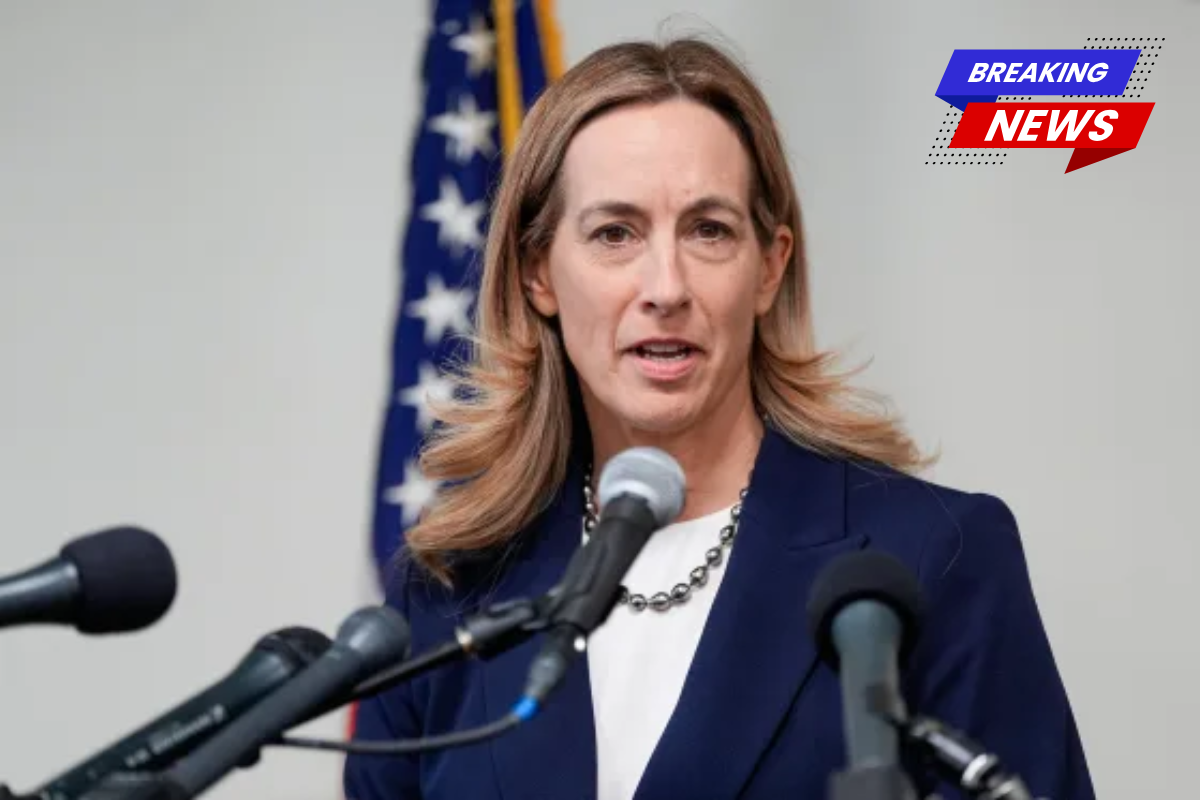
The Trump administration has filed a lawsuit against the state of New Jersey, challenging a new executive order that limits how federal immigration officers can operate on state property.
The legal battle highlights growing tensions between the federal government and states over immigration enforcement policies.
Why the Trump Administration Is Suing New Jersey
The U.S. Department of Justice filed the lawsuit in federal court in Trenton on Monday. The case challenges an executive order signed on February 11 by New Jersey Governor Mikie Sherrill.
The order prevents federal immigration agents, including Immigration and Customs Enforcement (ICE) officers, from making arrests in nonpublic areas of state-owned properties. These areas include:
- State correctional facilities
- Courthouses
- Other restricted government buildings
It also bans the use of state property as a staging or processing area for immigration enforcement actions.
The Trump administration argues that this order interferes with federal immigration authority and makes it harder to carry out enforcement operations.
What the Federal Lawsuit Claims
In the lawsuit, the Justice Department accused Governor Sherrill of attempting to block federal law enforcement. It stated that her order “poses an intolerable obstacle” to immigration enforcement and unfairly regulates the federal government.
The complaint also claims that the governor’s action protects individuals who may be facing immigration-related charges. The filing even misspelled her name as “Sherill,” drawing attention online.
President Donald Trump has made stricter immigration enforcement a key focus of his administration, and this lawsuit fits into that broader policy approach.
Governor Sherrill’s Response
Governor Mikie Sherrill, a Democrat who took office on January 20, strongly criticised the lawsuit.
She said the federal government should focus on better training for ICE agents instead of targeting states like New Jersey. According to her, the executive order is meant to keep communities safe and ensure proper use of state property.
New Jersey’s acting Attorney General, Jennifer Davenport, also dismissed the lawsuit. She described it as a waste of federal resources and said the state would fight the case in court. Davenport added that New Jersey will continue to protect immigrant communities within the state.
Part of a Larger Immigration Battle
This lawsuit is not an isolated case. It is part of a wider conflict between the Trump administration and several states and cities over so-called sanctuary policies.
Sanctuary laws generally limit how much local police and officials can cooperate with federal immigration authorities.
In recent years, the Justice Department has taken legal action against:
- States like Minnesota and Colorado
- Cities including New York, Chicago, Los Angeles and Denver
Last May, the Trump administration also sued four New Jersey cities — Newark, Jersey City, Paterson and Hoboken — over similar policies. That case is still pending in court.
What Happens Next
The federal court in Trenton will now decide whether New Jersey’s executive order unlawfully interferes with federal immigration enforcement. The outcome could have wider implications for how much power states have to control the use of their property when it comes to federal immigration operations.
If the court sides with the Trump administration, other states with similar policies could face legal pressure. If New Jersey wins, it may strengthen the ability of states to set limits on how federal agencies operate within their borders.






