
Rising tensions between the United States and Iran have taken a serious turn after high-stakes talks failed, increasing fears of further conflict and economic disruption worldwide.
Talks Collapse After Long Negotiations
The negotiations in Islamabad lasted for 21 hours but ended without any agreement. JD Vance confirmed that the US did not receive the assurances it wanted regarding Iran’s nuclear programme.
The US demanded clear commitments that Iran would not develop nuclear weapons or the capability to do so quickly. However, both sides blamed each other for the failure. Iran’s leadership said the US did not build enough trust during the talks.
A Historic but Unsuccessful Meeting
These talks were significant because they were the first direct discussions between the two countries since the Islamic Revolution of 1979. Despite the historic nature of the meeting, no progress was made.
This failure has now pushed the situation toward more aggressive options instead of diplomacy.
Possible US Actions After the Talks
Donald Trump has already hinted at stronger steps following the breakdown. One major option being discussed is a naval blockade aimed at limiting Iran’s trade and oil exports.
There are also reports suggesting that the US could target Kharg Island, which is a key location for Iran’s oil shipments. Controlling or damaging this site could severely impact Iran’s economy.
Importance of the Strait of Hormuz
At the centre of the conflict is the Strait of Hormuz, one of the most important oil routes in the world. Around 20% of global oil supply passes through this narrow waterway.
Any disruption here can quickly affect global fuel prices and supply chains. The ongoing tension has already reduced traffic and pushed oil prices higher.
Military Activity in the Region
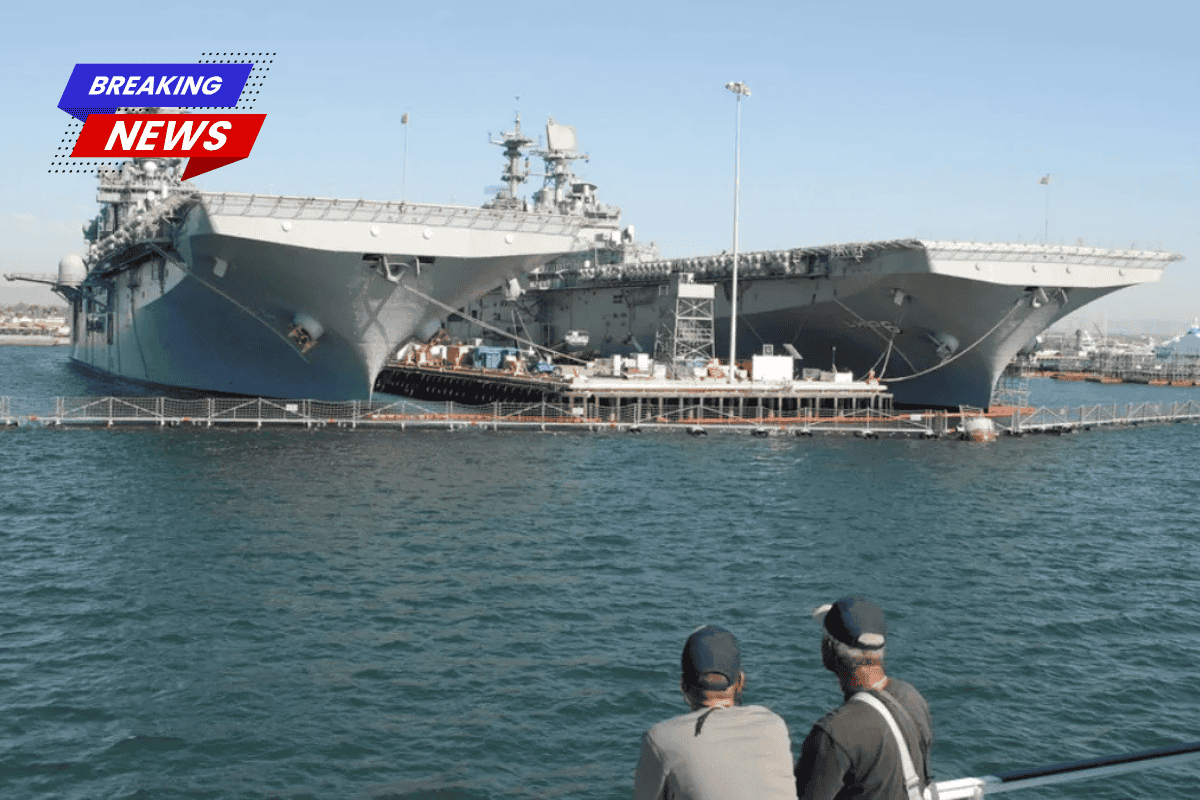
The US has increased its military presence in the area. Naval forces, including destroyers, have entered the Strait of Hormuz to begin clearing mines and securing the route.
Reports suggest that US forces are monitoring ship movements closely and are prepared to control traffic if needed. At the same time, Iran has warned that it will respond strongly to any military action in the region.
Global Economic Impact
Experts say the situation could have long-lasting effects on the global economy. Even if tensions ease, it may take months to restore normal oil supply and shipping operations.
Countries that depend heavily on imported oil, such as those in Asia, could face shortages or higher costs. Businesses and consumers worldwide may also feel the impact through rising fuel and energy prices.
Uncertain Future Ahead
Before the talks, Trump had already warned that military action could resume if no agreement was reached. With no deal in place, the chances of further escalation remain high.
The lack of a backup diplomatic plan has added to concerns, making the situation more unpredictable.






